
Introduction
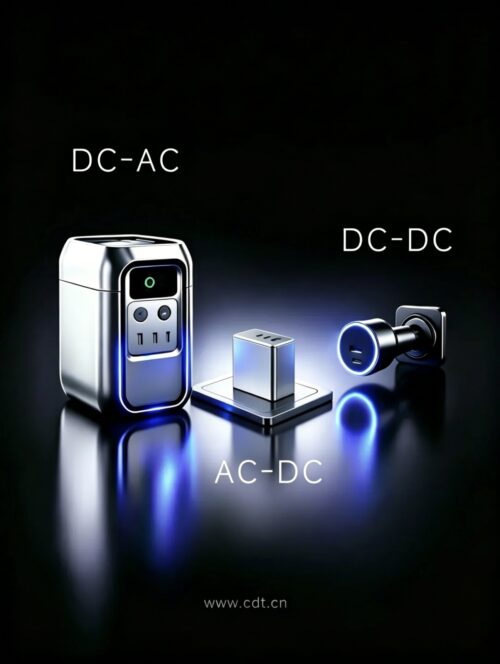
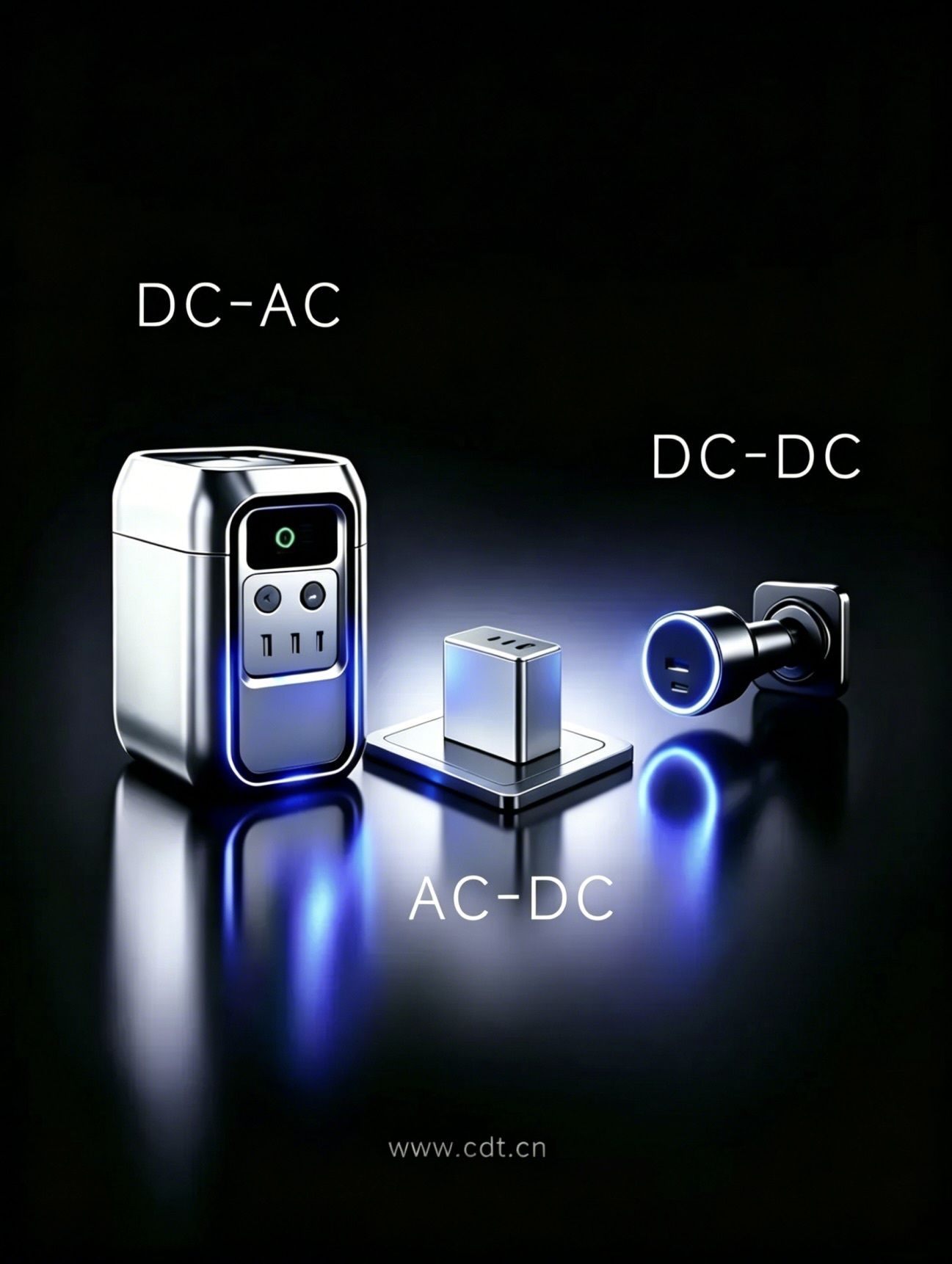
From juicing up your phone and plugging in your car charger to running a portable power station outdoors, every bit of power relies on three basic setups:AC-DC, DC-DC, and DC-AC. Alternating Current (AC) constantly flips directions and packs high voltage, making it perfect for the power grid. Direct Current (DC) flows in a steady, single direction, making it safe and stable for charging smartphones and power banks. By switching current types or dialing voltages up and down, these three architectures bridge the gap between different power standards to keep our gadgets running.
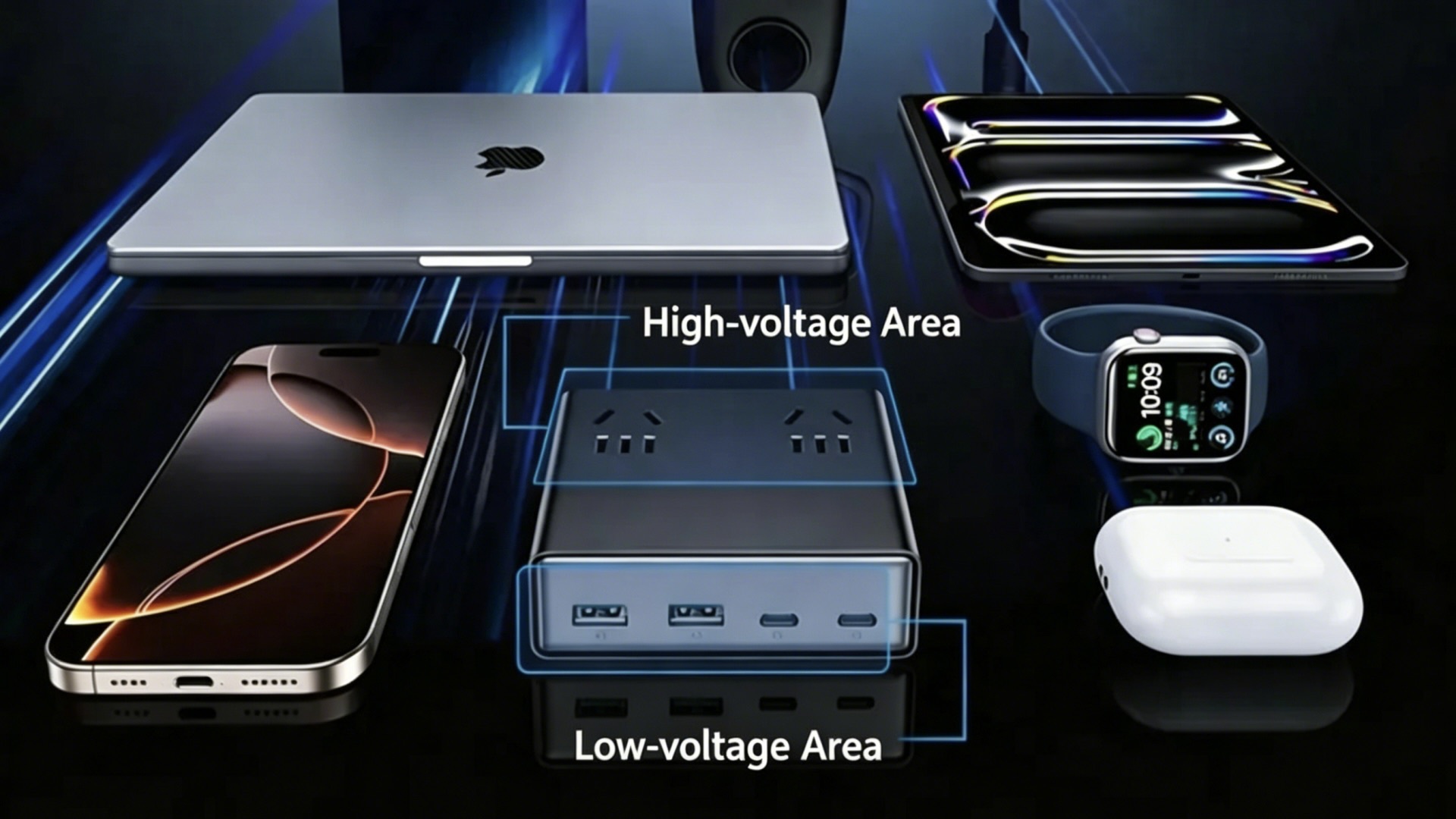
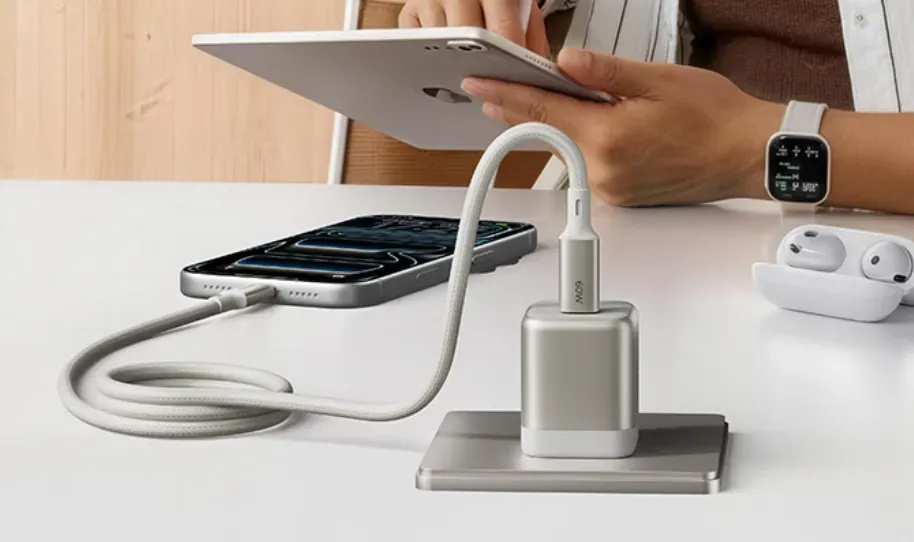
AC-DC takes high-voltage AC from the grid and turns it into the DC power your gadgets crave. It’s the heart of every wall charger. Since home outlets pump out 220V AC high voltage but your phone or laptop only takes low-voltage DC, an AC-DC converter is essential to step down the juice and straighten it out. Your smartphone wall bricks, laptop power bricks, and router adapters all rely on this exact tech.
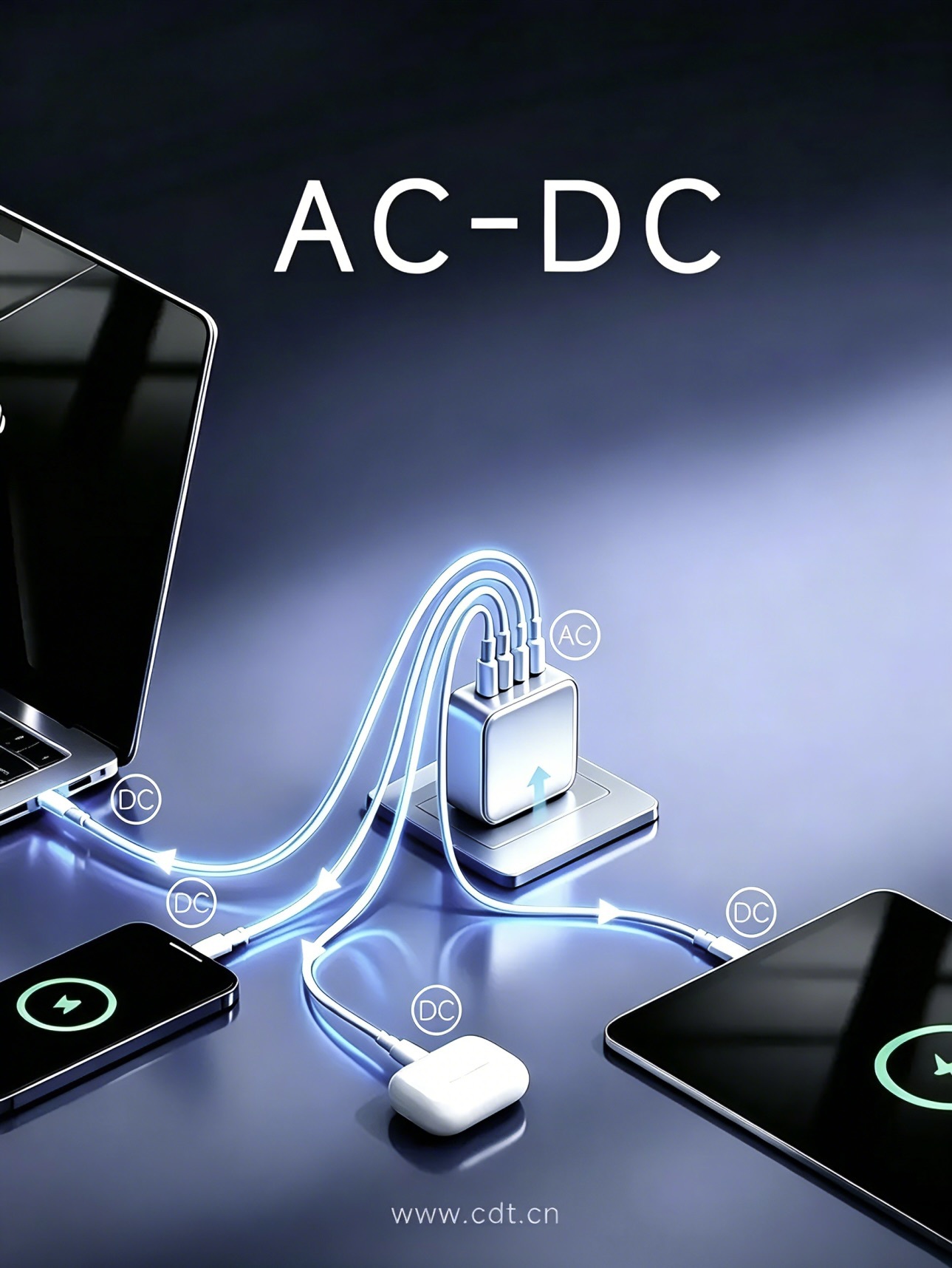
DC-DC keeps things in the DC realm but handles the heavy lifting of adjusting voltage levels, either stepping it up (boosting) or stepping it down (bucking). You’ll find it inside power banks, car USB chargers, PC motherboards, and battery regulator modules. For example, a car charger takes the 12V/24V DC from a car battery and uses a DC-DC module to precisely dial it to 5V, 15V, or even 28V to match your phone’s fast-charging needs.
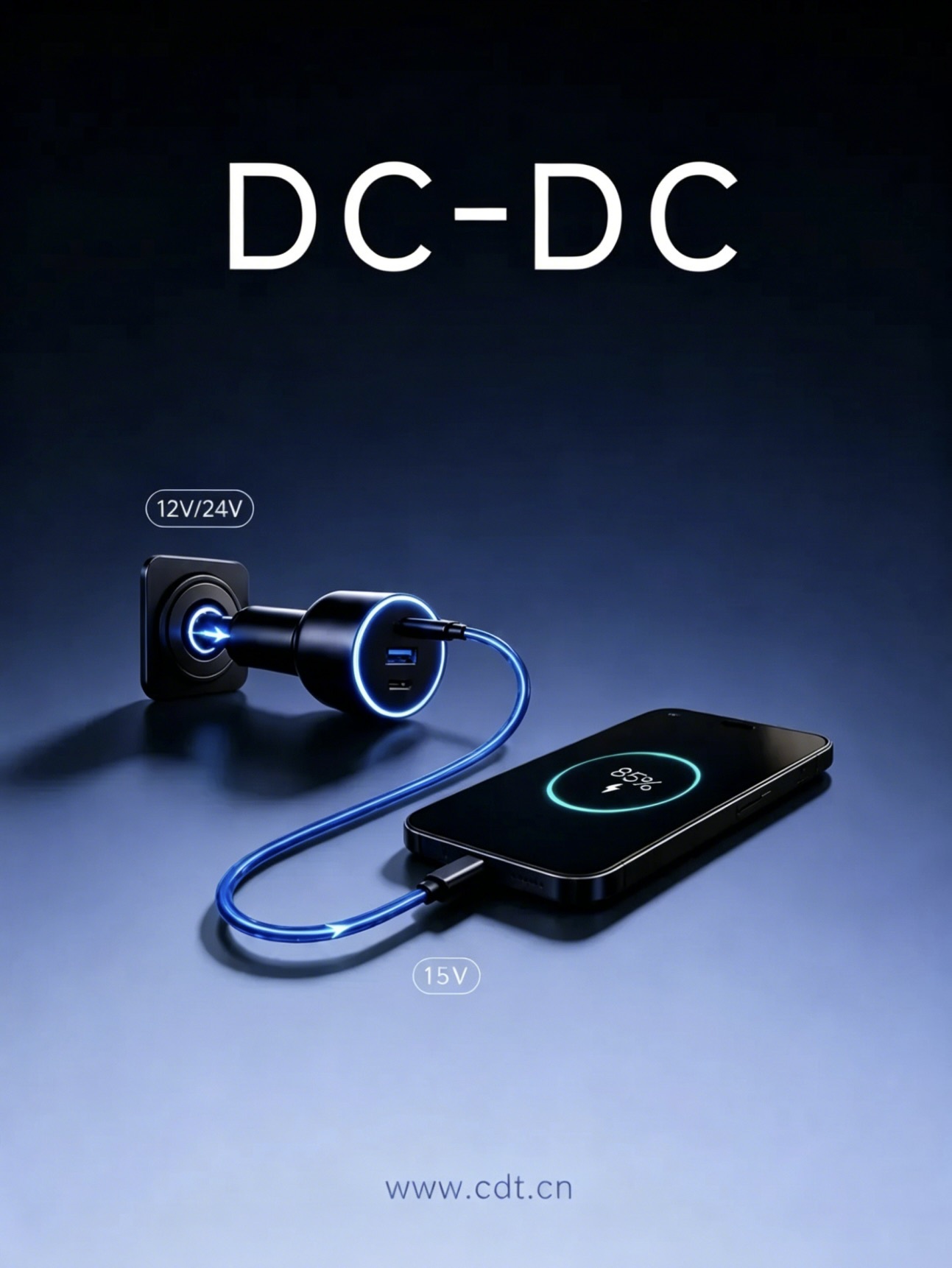
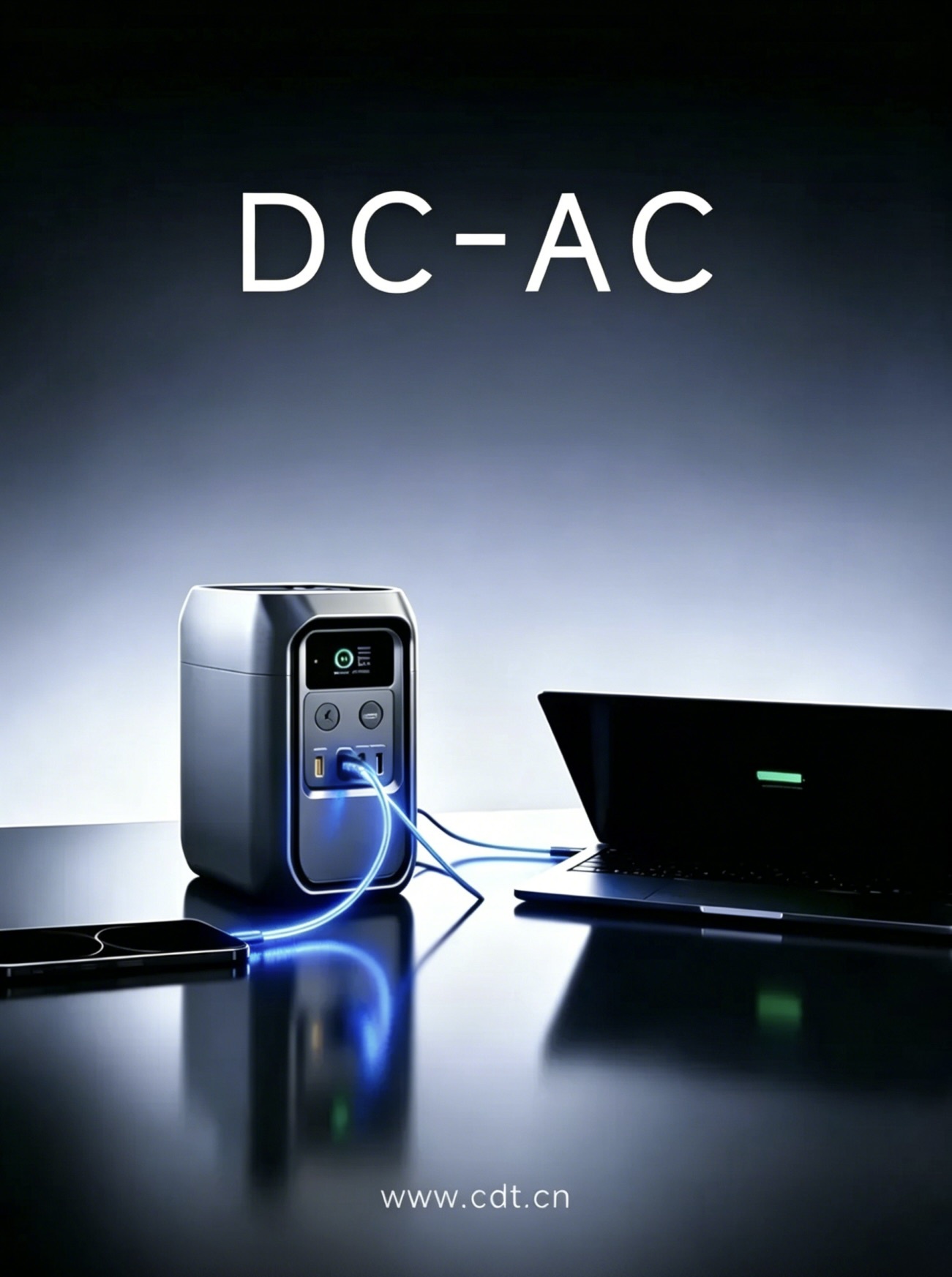
DC-AC does the exact opposite of AC-DC—a process the tech world calls "Inversion." It takes low-voltage battery power and flips it into standard high-voltage AC. This is the secret sauce behind portable power stations, car inverters, UPS backups, and solar setups. Thanks to inverter tech, the DC juice sitting in a battery pack can instantly transform into 220V AC, letting you run household fans or car fridges anywhere outdoors.
Summary of ChargerLAB
AC-DC, DC-DC, and DC-AC have clear jobs, but they often team up in multi-stage setups. Take a solar storage setup:the DC power from solar panels uses a DC-DC module to stabilize and charge the battery, a DC-AC inverter turns that into home AC power, and finally, your laptop’s AC-DC adapter turns it back into DC to power the microchips. Nailing these three concepts unlocks the entire blueprint behind fast charging, outdoor gear, and EV energy storage.
Related Articles:
1. Review of TALIX Zeta 240W PD3.2 Charger
2. Dual USB-C Independent Full-Speed Output! TALIX Zeta 240W PD 3.2 Charger Officially Launched
3. Stuffcool Launches Nexi – India’s most compact 3-in-1 Foldable Qi2.2 Magnetic Wireless Charger with 25W Fast Charging for iPhone, AirPods & Apple Watch