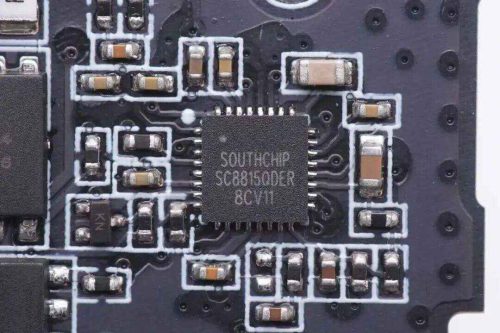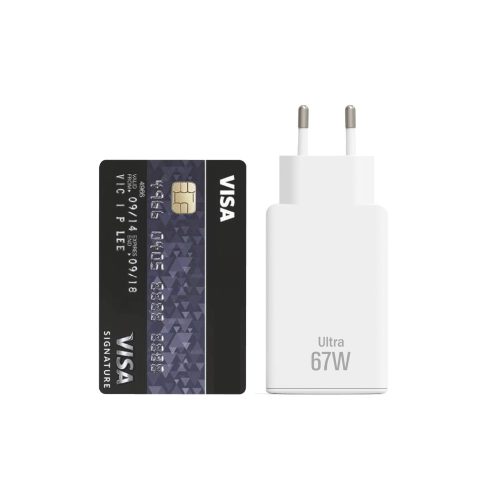


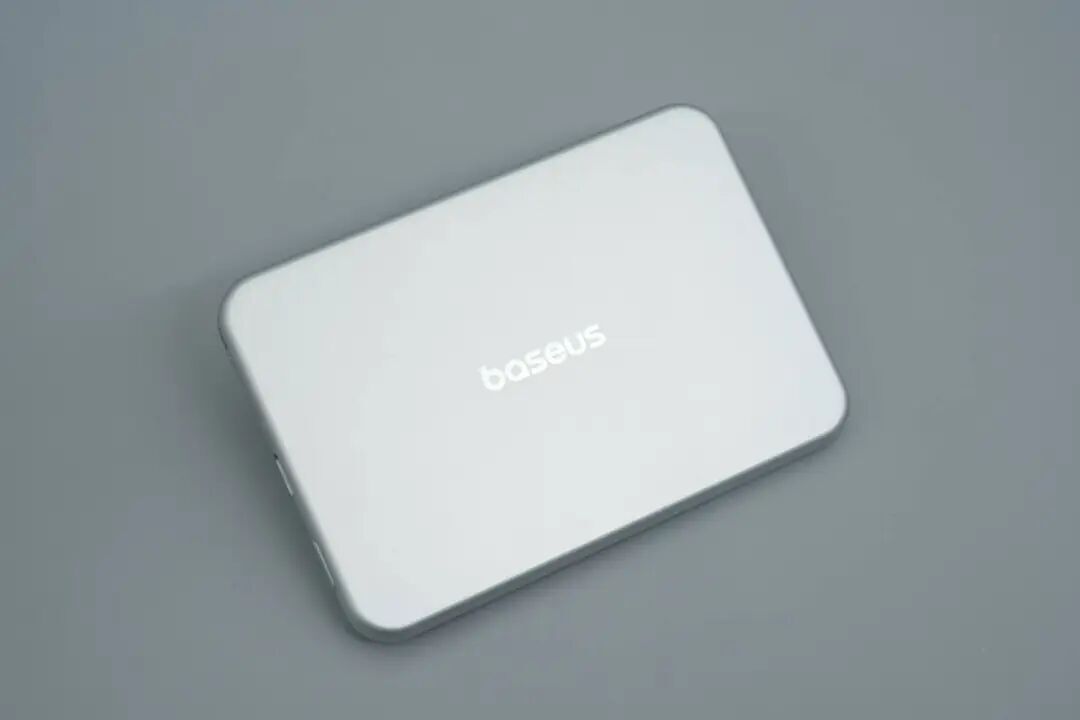
The enforcement of the mandatory "Safety Technical Specification for Power Banks" (GB 47372-2026) is sparking a major industry evolution. Competition is pivoting from design and capacity to deep-tech metrics: safety, monitoring, and traceability. Market leaders are setting the pace, integrating digital displays, USB pass-through, NFC, and web-based tracking. Power banks are no longer just portable chargers; they are evolving into smart terminals capable of full life-cycle management.
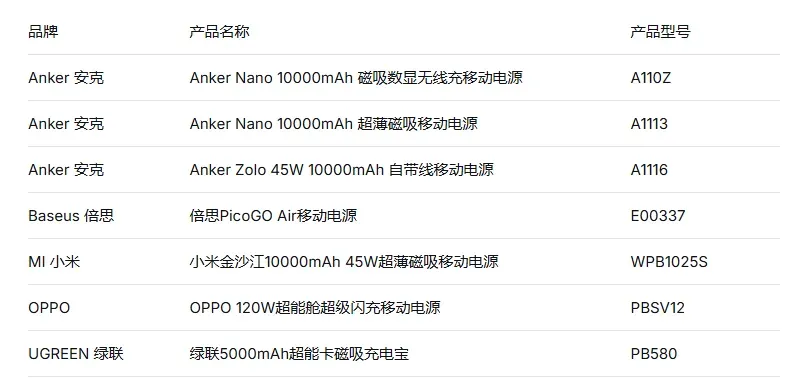
The new standard mandates robust protection and data capabilities. Brands are rising to the challenge: Anker’s Nano and Zolo series use digital displays for real-time status, while Baseus’s PicoGO Air taps into NFC. Xiaomi’s Jinshajiang series enables web-based verification, and OPPO’s Super-Energy Cabin offers proactive health monitoring. Meanwhile, UGREEN’s Super-Energy Card highlights the power of synergy with ATL to balance slim profiles with high-end thermal and safety features. By standardizing data, these brands are ensuring product identity and health are transparent, elevating consumer trust.
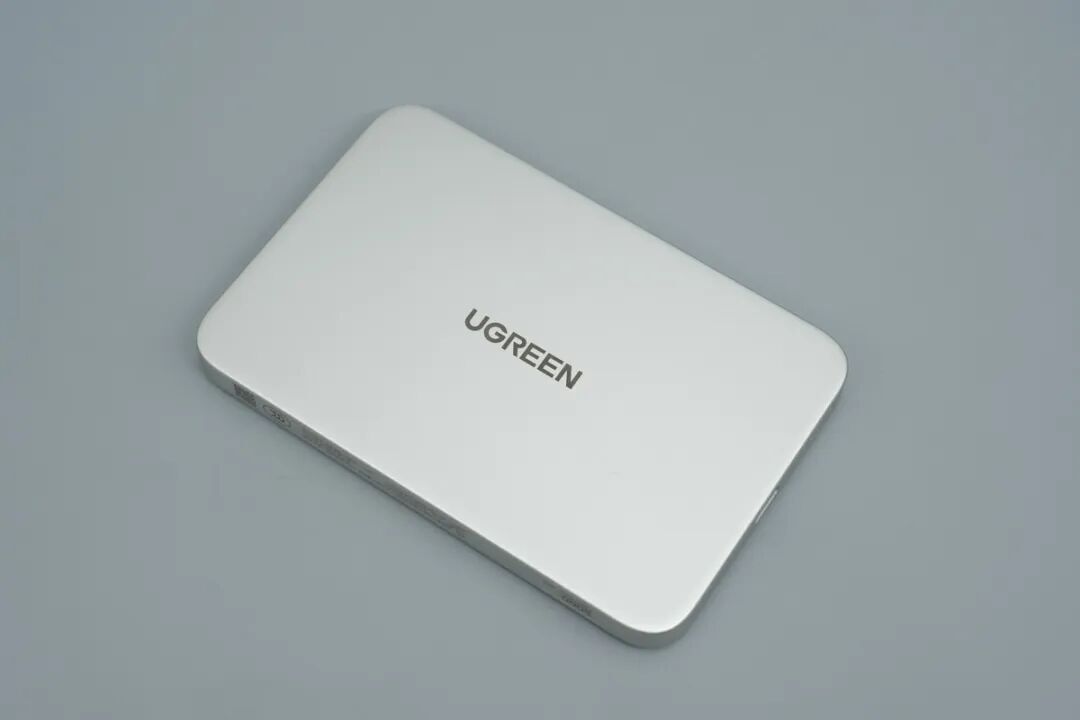
This standard is more than a compliance mandate; it is a catalyst for industry restructuring. For companies, the R&D focus is now on cell selection and intelligent data architecture. For users, it promises an end to the "black box" era, offering safer, more manageable charging.
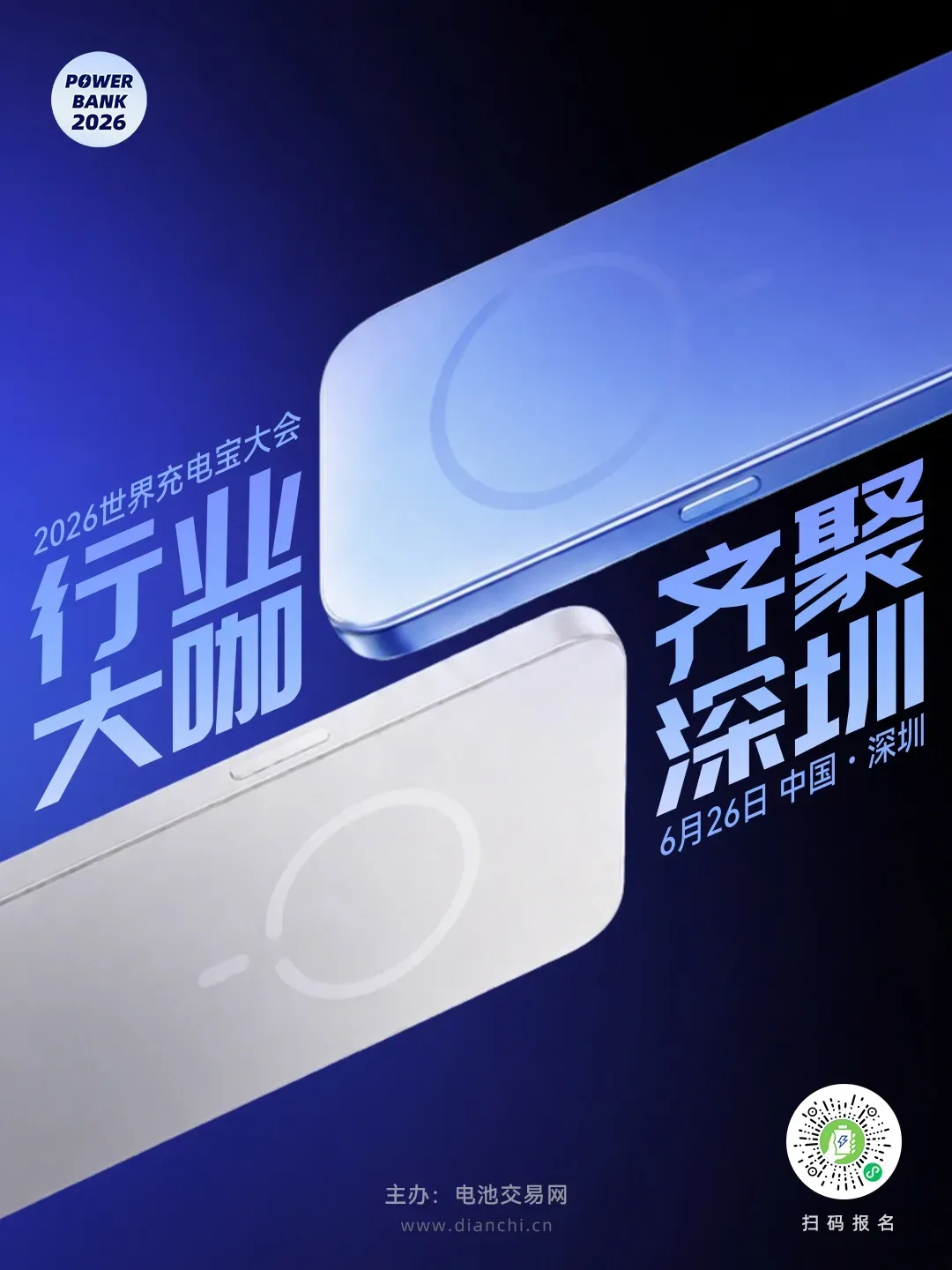
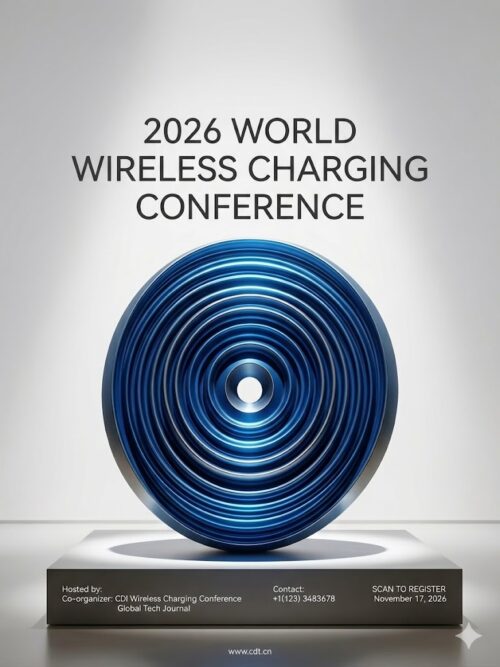
To explore these trends, the "2026 World Power Bank Conference," hosted by Dianchi, kicks off on June 26 in Shenzhen. It will serve as a platform for experts to shape the future of mobile energy—making it smarter, safer, and more standardized.
Related Articles:
1. 7050mAh Battery | Charging Compatibility Test of OPPO Find X9 Ultra
2. STIHL Goes Tabless, The New ALLPRO Battery System Redefines Power Tool Performance
3. Battery enterprise efficiency, a dual-dimensional look at revenue and profit per capita