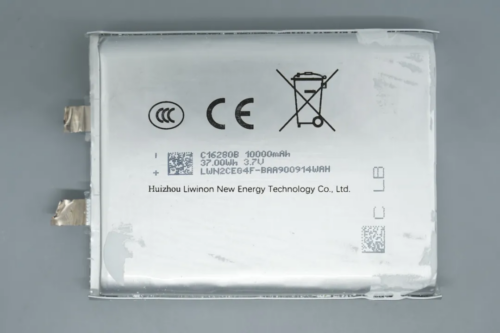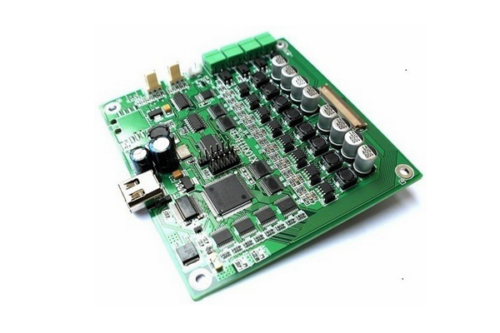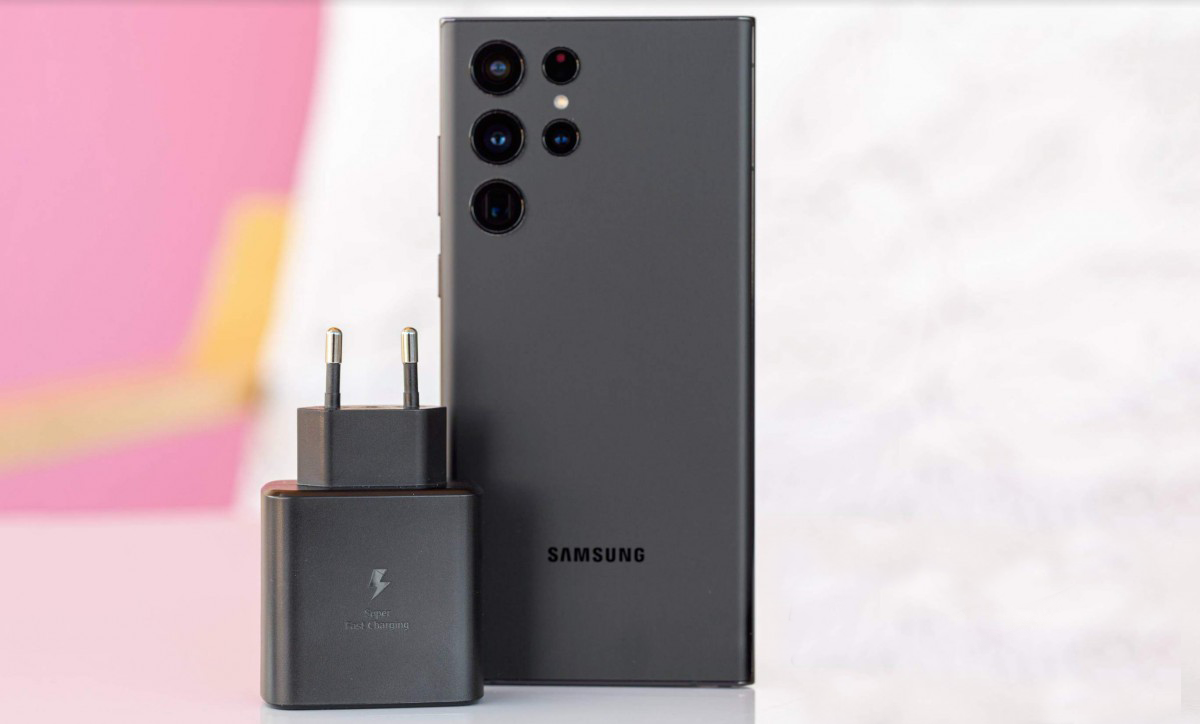


Following the March 2026 publication of GB 47372-2026, the power bank safety specification taking mandatory effect on April 1, 2027, the industry is shifting decisively from passive circuit breakers to active power management. Basic threshold cutoffs fall short of the new standard's transparency and traceability mandates. For multi-cell and high-wattage designs, single-chip SoCs hit a wall, driving a heavy pivot toward dedicated, high-precision gauge and pack controllers like TI's BQ4050, BQ41Z50, and BQ40Z80.

Achieving full compliance requires the BMS to level up across six essential fronts. High-accuracy cell/pack telemetry tracks voltages, currents, and multi-zone temperatures. A built-in "black box" logs precise physical parameters during anomalies for deep diagnostics. Redundant, fail-safe protection layers address single-point failures. Transparent telemetry exposes internal data to screens or companion apps via the main MCU. SMBus/I²C links feed real-time battery health data straight into power throttling logic. Lastly, streamlined factory calibration via bqStudio ensures tight Golden File consistency across mass production runs.

GB 47372-2026 signals the end of the capacity-and-wattage price war, pivoting the market toward system-level safety compliance and smart engineering. Brands and engineers mastering full telemetry, black box data, active bus control, and proper calibration toolchains will dominate the next era. As USB PD 3.1 ecosystems mature, advanced active BMS architectures are set to become standard building blocks for all portable power tech.
Related Articles:
1. 18 Powerhouse Brands Converge on Shenzhen, The 2026 World Power Bank Conference Full Agenda and Speaker Roster Revealed
2. Cloud Summit | 2026 World Wireless Charging Conference Kicks Off This August
3. Exploring Core Industry Technologies: 2026 World Power Bank Conference Set to Convene