Chargerlab Chargerlab
  • News
    • What's New
    • Interviews
    • Vlogs
    • Events
    • Industry
  • Reviews
    • Charging Compatibility
    • Fully Charging
    • Comparison
    • Chargers & Cables
    • Power Banks & Stations
    • Mobile Devices
    • Accessories
  • Teardowns
    • Chargers & Cables
    • Power Banks & Stations
    • Power Supplies
    • Prototypes
    • Batteries
    • Accessories
  • Videos
    • YouTube
    • TikTok
  • Guides
    • How to Buy
    • Explained
    • Deals
    • ICs
  • POWER-Z
    • KM003C/KM002C
    • KT002
    • Buy POWER-Z
    • Technical Support
  • Contact Us
Home › Guides › Explained › What do 1C, 3C, and 5C charging rates really mean?
  • 0

What do 1C, 3C, and 5C charging rates really mean?

Joshua
June 2, 2026
What do 1C, 3C, and 5C charging rates really mean?-Chargerlab

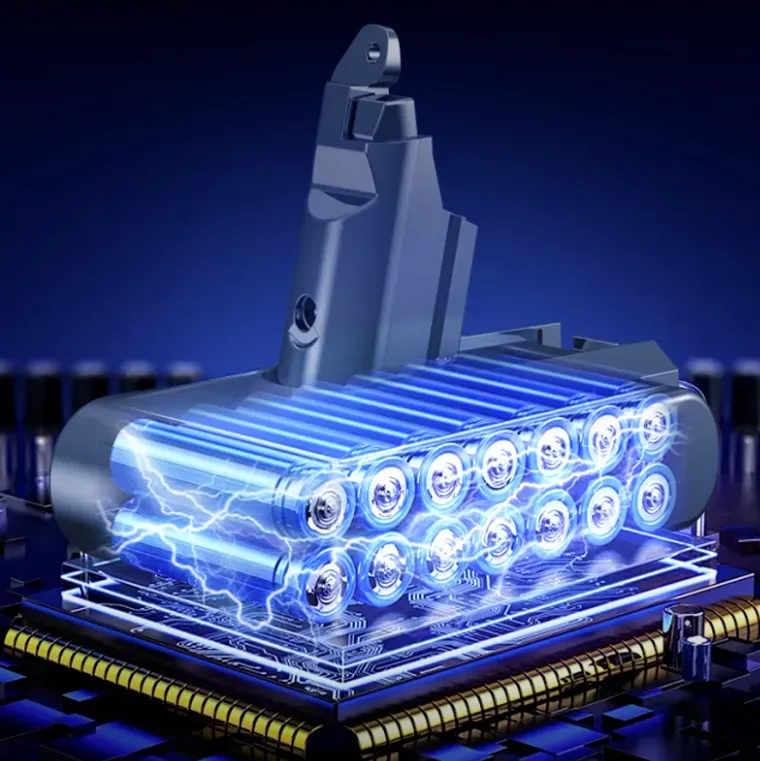
Unlocking the core metric linked to battery capacity. When shopping for power banks, EVs, or high-speed phone chargers, terms like “1C,” “3C,” and “5C” frequently appear. Many mistakenly view "C" as an absolute speed value; however, C (Charging Rate) is a relative metric measuring charge/discharge speed, tied directly to a battery's nominal capacity.
What do 1C, 3C, and 5C charging rates really mean?-Chargerlab

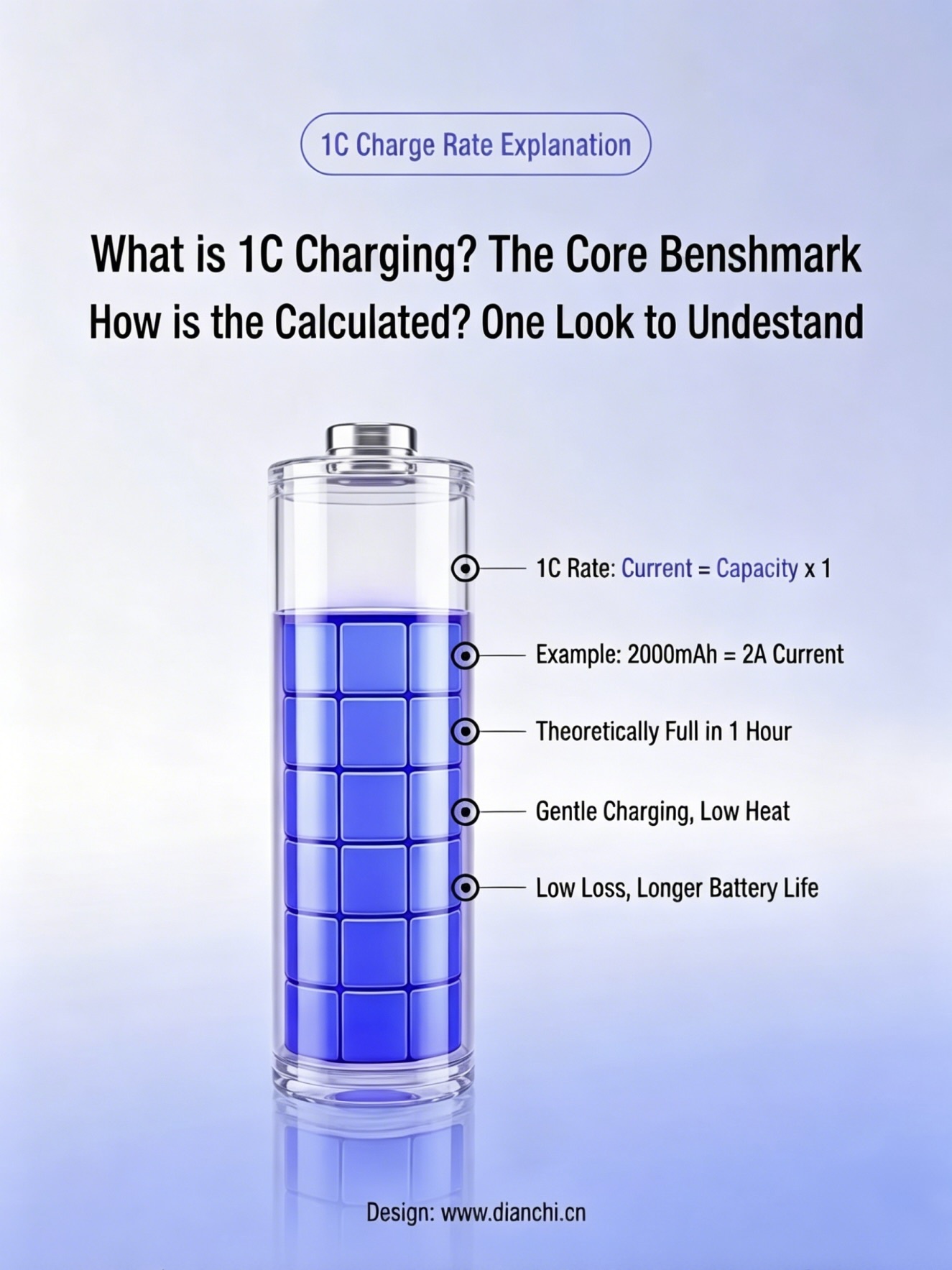
The core formula is:Charging Rate (C) = Actual Charging Current (mA/A) ÷ Nominal Battery Capacity (mAh/Ah). In simple terms, this rate determines the theoretical time required for a full charge; as the rate increases, charging time decreases exponentially, though demands on battery materials, heat management, and supporting hardware rise simultaneously.

What do 1C, 3C, and 5C charging rates really mean?-Chargerlab

Different rates correspond to varying current intensities, significantly impacting battery life and safety. 1C serves as the baseline; for a 2000mAh battery, 1C means a 2A current, theoretically filling it in one hour. At 1C, internal chemical reactions are gentle with minimal heat, minimizing lithium plating and maximizing cycle life, making it ideal for overnight charging.
What do 1C, 3C, and 5C charging rates really mean?-Chargerlab

3C represents the standard threshold for modern EVs and mid-to-high-end electronics, where current triples the nominal capacity, compressing theoretical charge time to roughly 20 minutes. While internal reactions are more intense, 3C remains well within the engineering safety redundancy, having negligible impact on longevity.

What do 1C, 3C, and 5C charging rates really mean?-Chargerlab

5C signifies cutting-edge “Supercharging” technology, where current is five times the battery capacity—for a 50Ah EV battery, this reaches a massive 250A, theoretically filling it in just 12 minutes. This is the underlying principle behind claims like “10-minute charge, hundreds of kilometers of range.” However, 5C demands high-rate cells with silicon-carbon anodes and specialized electrolytes to prevent overheating, swelling, or structural electrode collapse, and relies heavily on expensive, high-power liquid-cooled charging stations.

What do 1C, 3C, and 5C charging rates really mean?-Chargerlab

The core trade-off among 1C, 3C, and 5C lies in balancing speed, longevity, and cost. In practice, 1C suits slow charging and longevity, 3C balances speed and safety, while 5C targets emergency high-speed charging. This logic also applies to 10C, 20C, or higher rates used in industrial, drone, and hobbyist applications. Understanding the essence of charging rates helps brands, pack manufacturers, and consumers achieve the optimal balance between convenience, battery longevity, and economic efficiency based on specific product positioning and usage habits.

Related Articles:
1. Full-Tab Battery Cells Inside! Sharge 300W Power Bank Launches on Kickstarter
2. V.2.0.3 | The New Software Version of ChargerLAB POWER-Z KM003C
3. Comprehensive Database of Nearly 150 Battery Enterprises, Connecting Global Industry Resources
0
Battery enterprise efficiency, a dual-dimensional look at revenue and profit per capita
Previous

Hot posts

What do 1C, 3C, and 5C charging rates really mean?
Battery enterprise efficiency, a dual-dimensional look at revenue and profit per capita
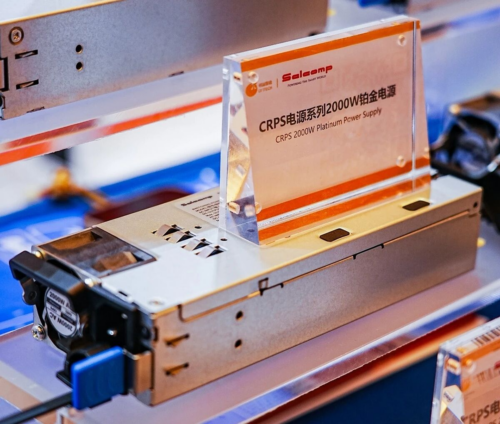
Top mobile power supplier shifts focus to AI, CRPS power lineup makes a splash
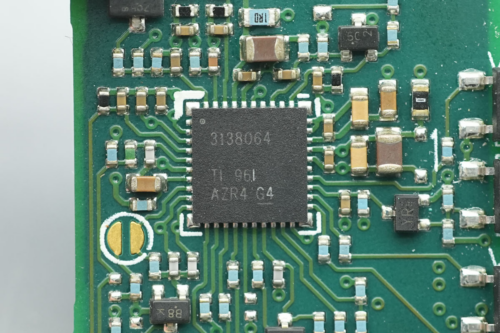
Versatile controller for all major topologies, TI unveils the UCD3138064 for AI power systems

Related posts

The Era of High-Power Charging | A PD3.1 Cable Buying Guide

The Era of High-Power Charging | A PD3.1 Cable Buying Guide

August 17, 2023
1
ChargerLAB's Ultimate Cable Selection Guide for Everyone

ChargerLAB's Ultimate Cable Selection Guide for Everyone

July 28, 2023
1
Small Experiment | What Will Happen if We Forget to Remove the Cable?

Small Experiment | What Will Happen if We Forget to Remove the Cable?

July 21, 2022
0
From 30-Pin to USB-C: A Port Journey of the iPhone

From 30-Pin to USB-C: A Port Journey of the iPhone

October 23, 2023
0

ABOUT ME

As a sibling site of chongdiantou.com, ChargerLAB covers everything about charging, including chargers, wireless chargers, power banks, cables, car chargers, portable power stations and other peripherals. You can contact us by sending the email to info@chargerlab.com.

FOLLOW US

Facebook Instagram TikTok Twitter YouTube

E-COOL MEDIA

POWER-Z Chongdiantou 52Audio
Copyright © 2016-2026 Chargerlab. Designed by nicetheme.
  • News
    • What's New
    • Interviews
    • Vlogs
    • Events
    • Industry
  • Reviews
    • Charging Compatibility
    • Fully Charging
    • Comparison
    • Chargers & Cables
    • Power Banks & Stations
    • Mobile Devices
    • Accessories
  • Teardowns
    • Chargers & Cables
    • Power Banks & Stations
    • Power Supplies
    • Prototypes
    • Batteries
    • Accessories
  • Videos
    • YouTube
    • TikTok
  • Guides
    • How to Buy
    • Explained
    • Deals
    • ICs
  • POWER-Z
    • KM003C/KM002C
    • KT002
    • Buy POWER-Z
    • Technical Support
  • Contact Us
  • Apple
  • GaN
  • ANKER
  • Power Bank
  • 100W
  • 65W
  • ChargerLAB
  • Xiaomi
  • Baseus
  • UGREEN

Joshua

Editor