
Introduction
KOAKUMA has launched a 3-in-1 wireless charger with a display. This charger features three wireless charging positions and supports Qi2.2. The screen displays the time, input voltage, and current, and the output power for each wireless charging device. It also supports Bluetooth connection to sync time with a smartphone.
This charger can simultaneously charge a phone, earphones, and a smartwatch wirelessly. The magnetic wireless charging module on the top is adjustable in angle and provides up to 25W charging power. It also includes a built-in cooling fan. The floating design of the magnetic module ensures that the fan's cooling performance is not affected even when used horizontally.
The side of the unit features a touch switch. When the device is powered on, a long press can automatically eject or retract the smartwatch wireless charger. During charging, a double-tap can turn the cooling fan on or off. Below the phone's magnetic charger is the wireless charging pad for earphones, which supports 5W charging power. The smartwatch wireless charging pad supports 2.5W charging power for both Apple and Samsung smartwatches.
Now, let’s take a look at the disassembly of this 3-in-1 display wireless charger to examine its internal design and materials.
Product Appearance
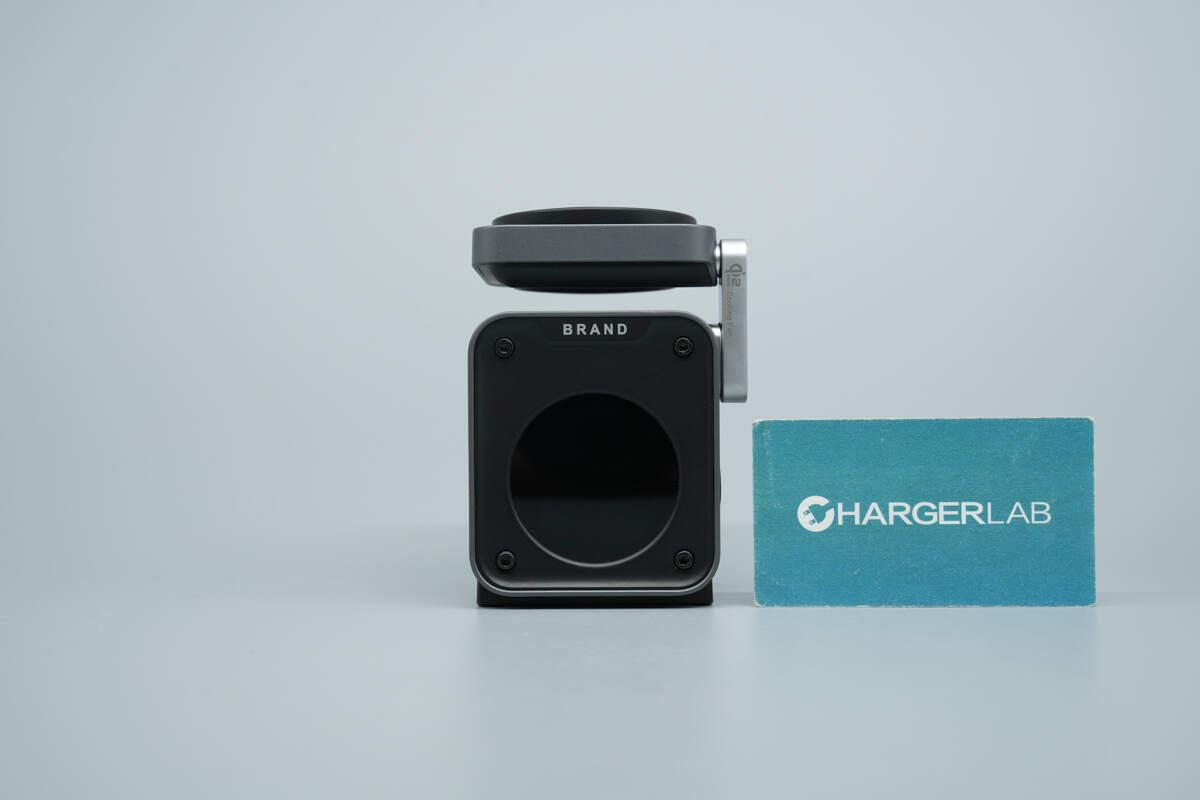
The top features a magnetic wireless charging module, which supports rotational angle adjustment. The front has a circular display screen that shows various parameters.
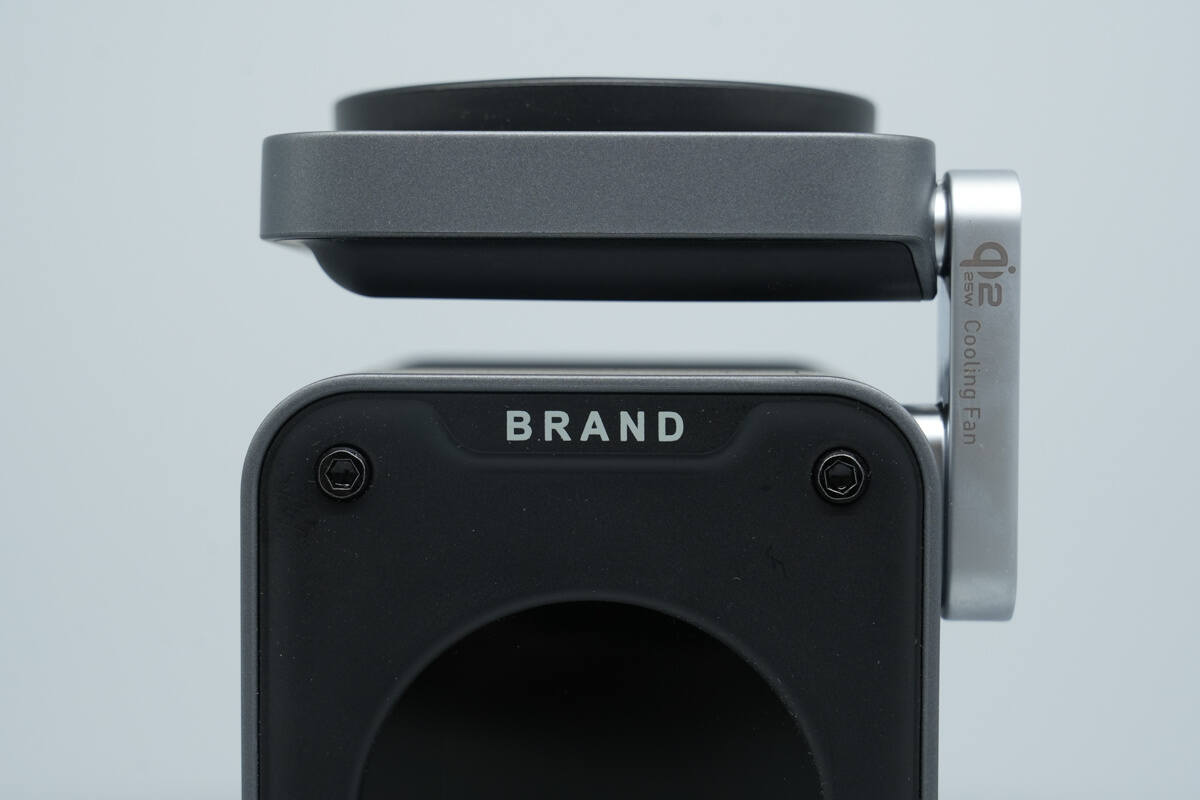
The upper front area supports custom branding.
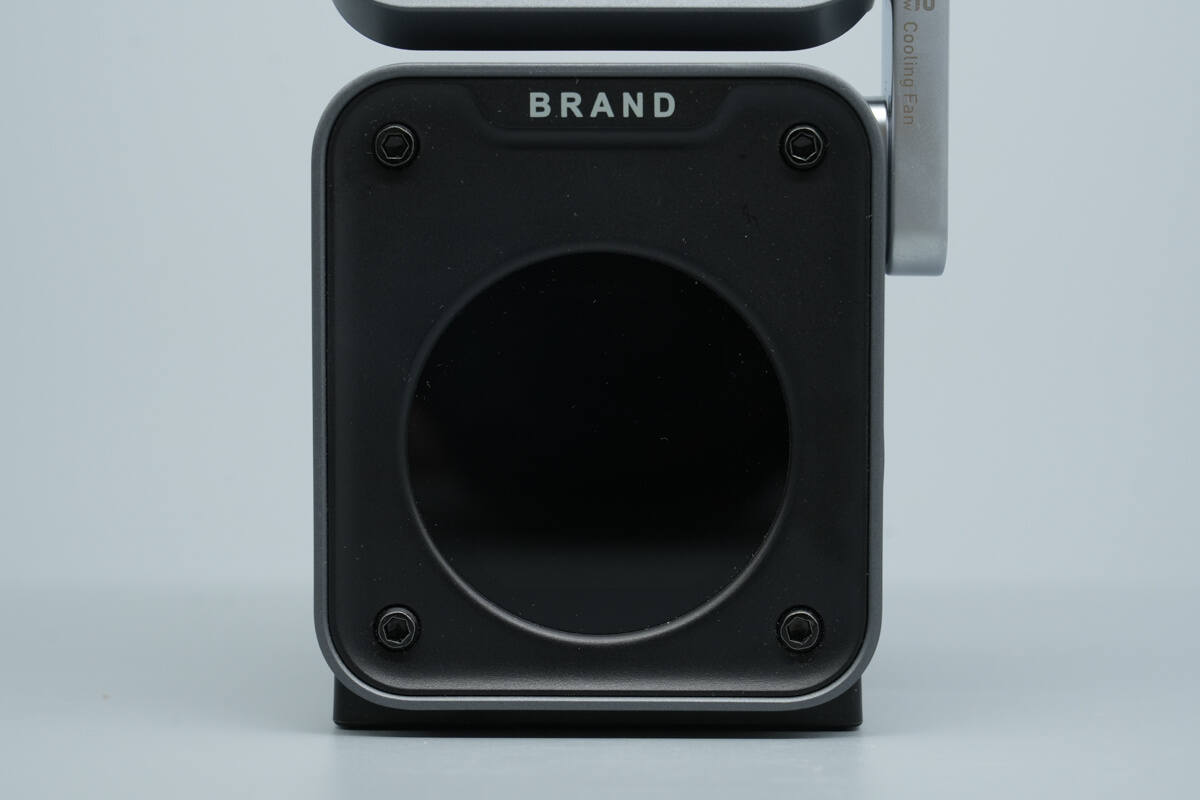
A close-up of the circular LCD screen.
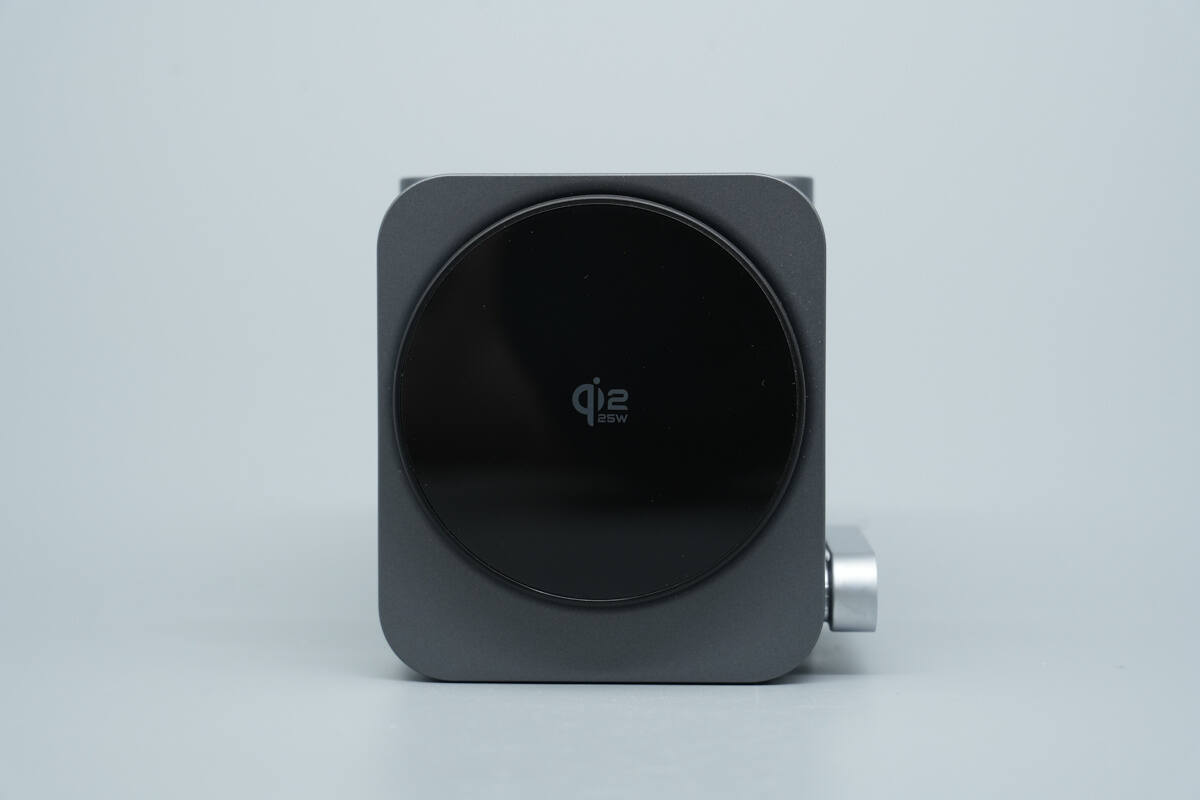
The top of the wireless charging module is printed with "Qi2.25W."
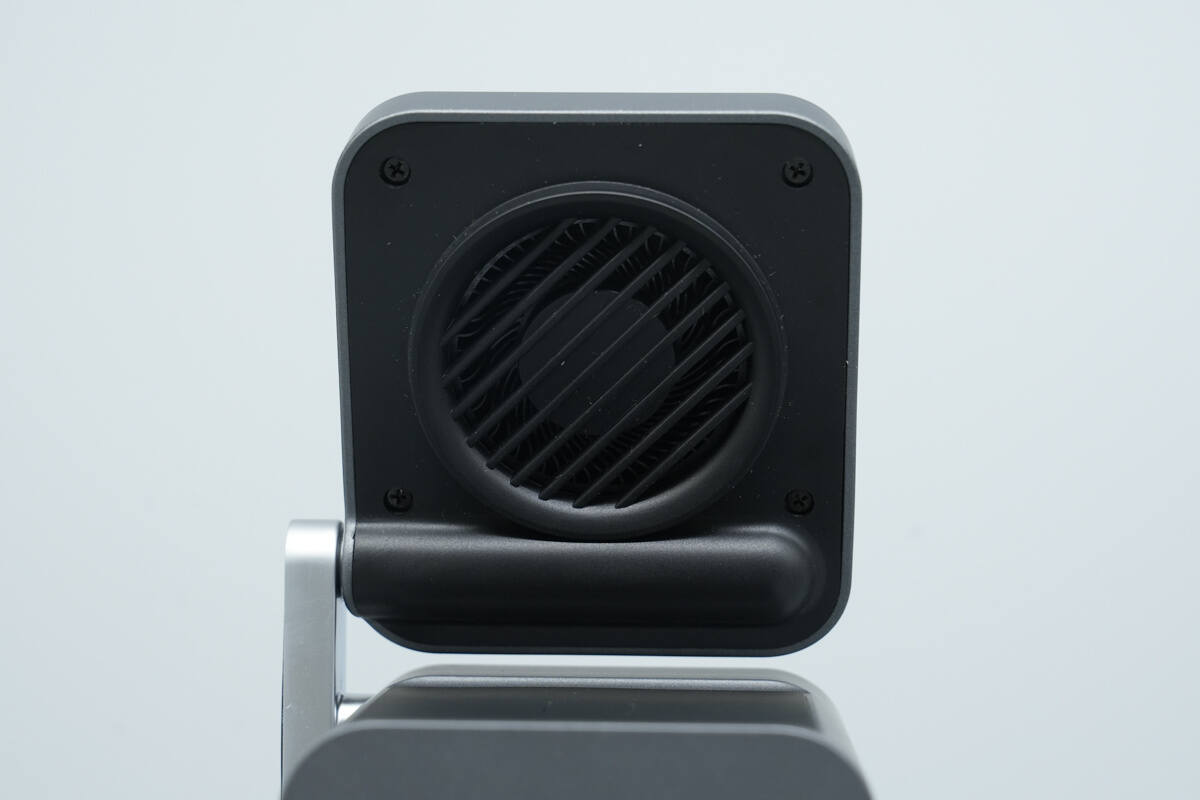
The back features a cooling fan.
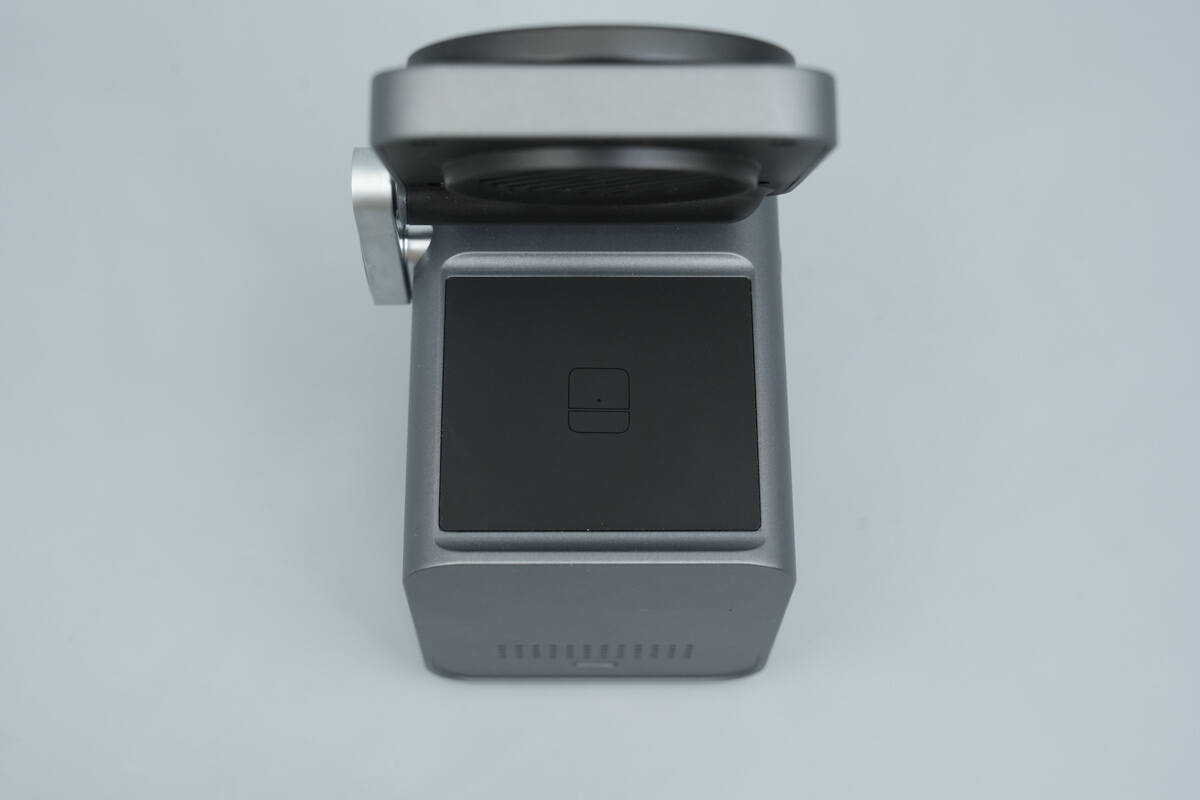
Below the magnetic wireless charging module is the earphone wireless charging pad.
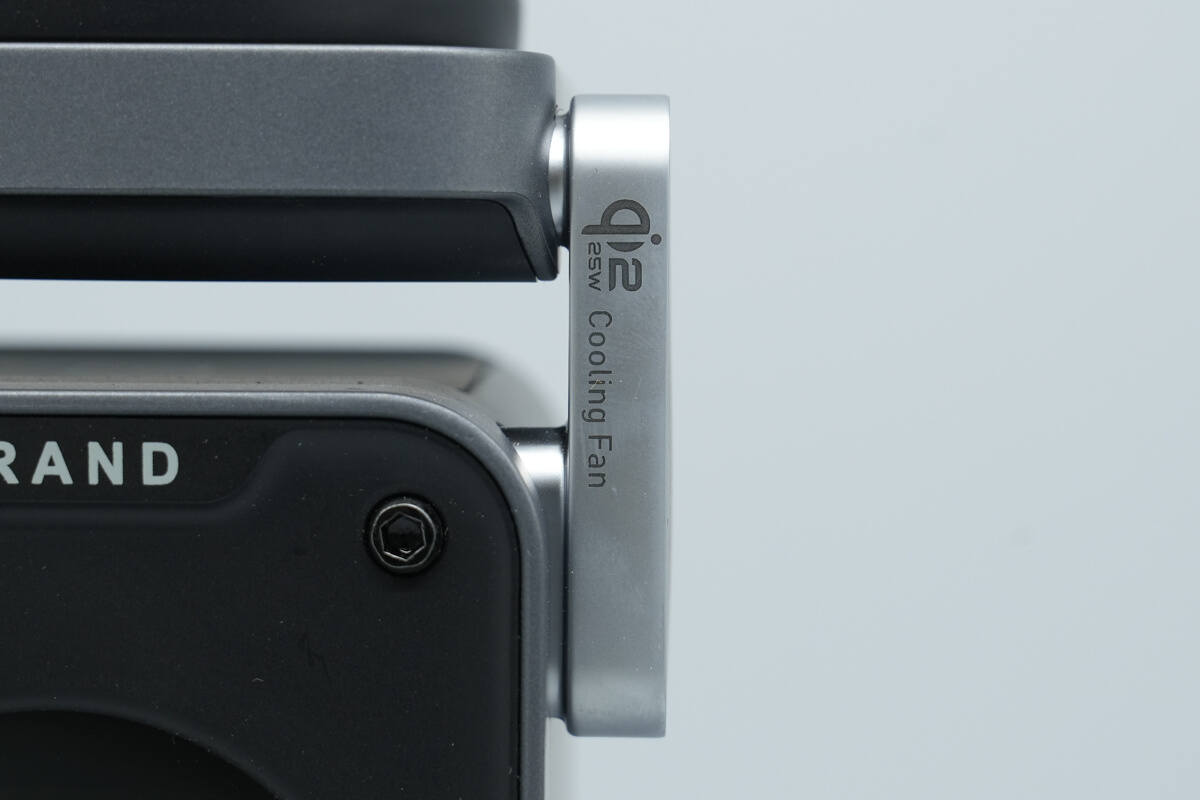
The pivot is printed with "Qi2.25W" and houses a built-in cooling fan.
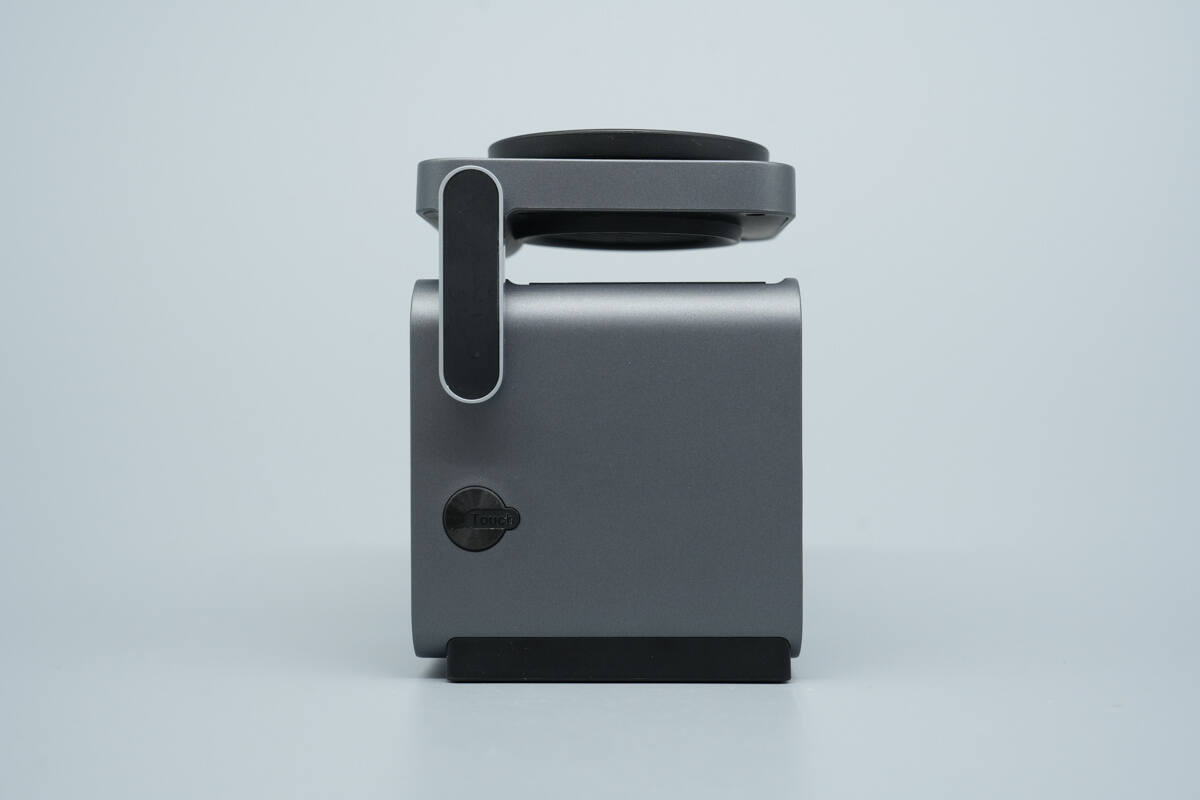
The side of the unit features a touch switch.

The touch switch is decorated with a CD-patterned texture.
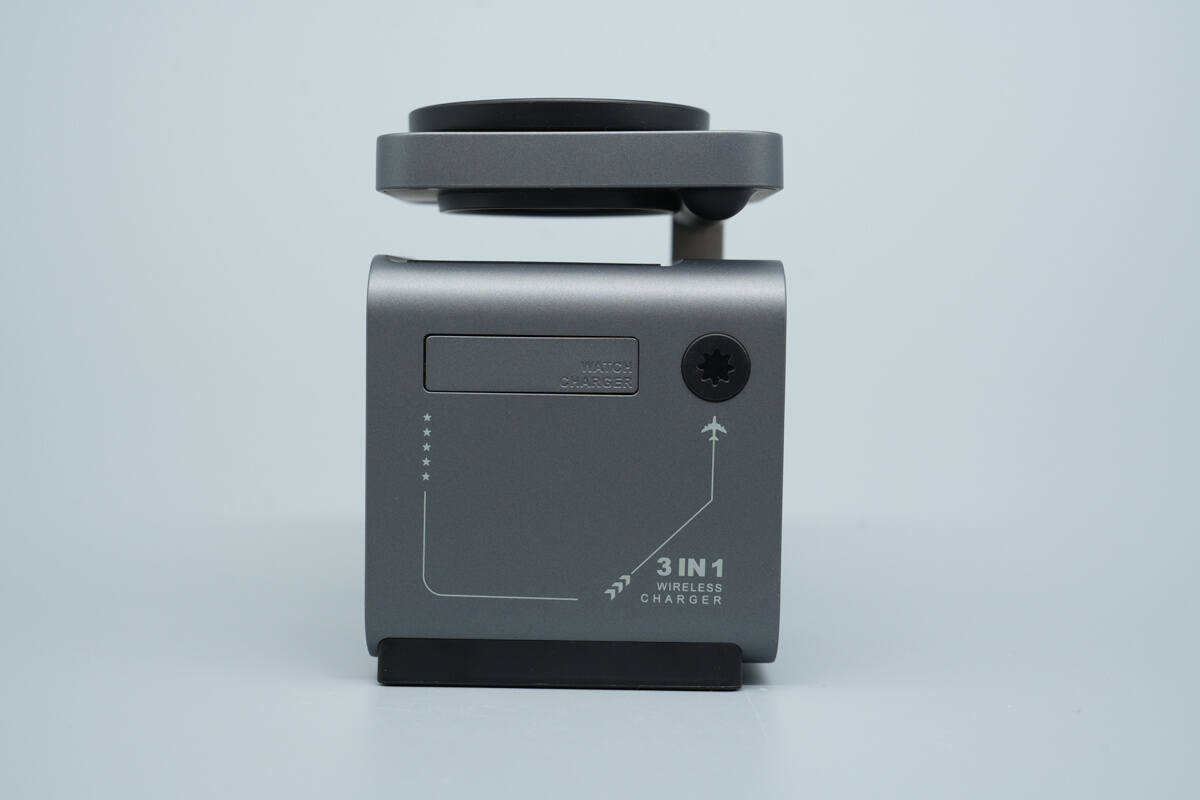
The other side features the smartwatch wireless charging module.
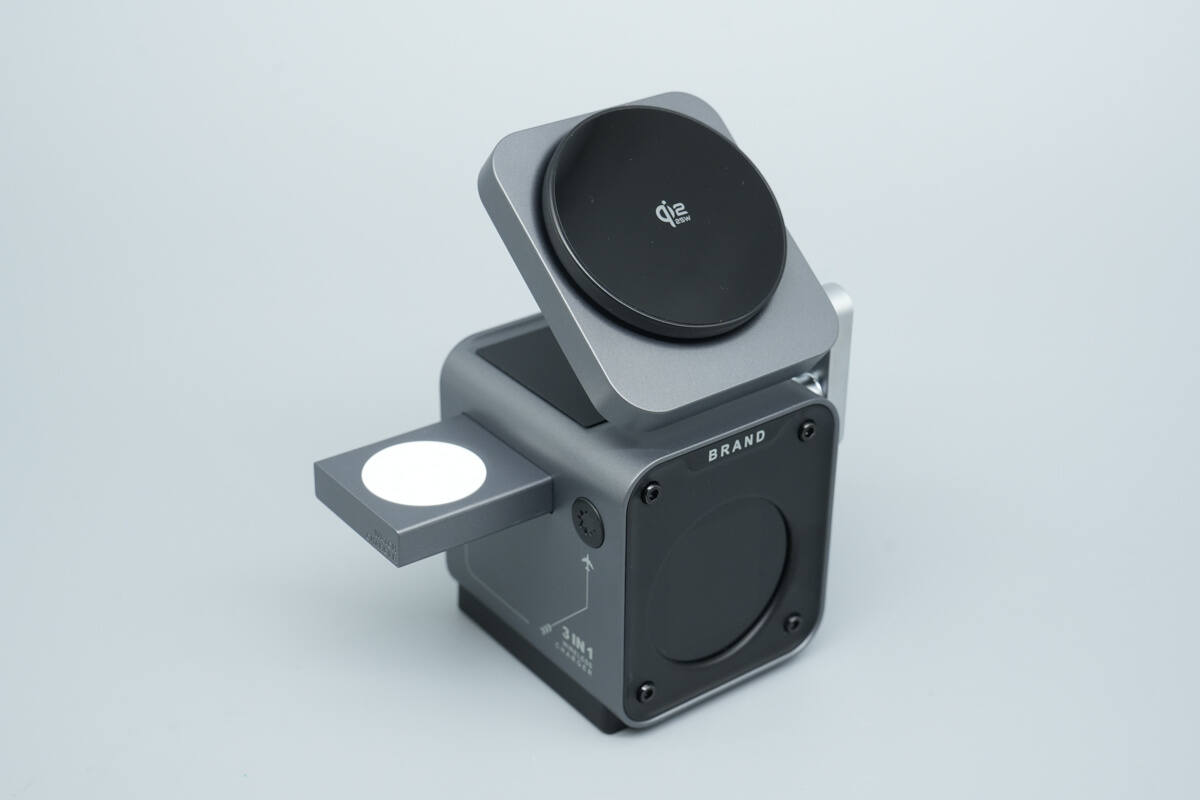
An overview of the smartwatch wireless charging module in its extended state.
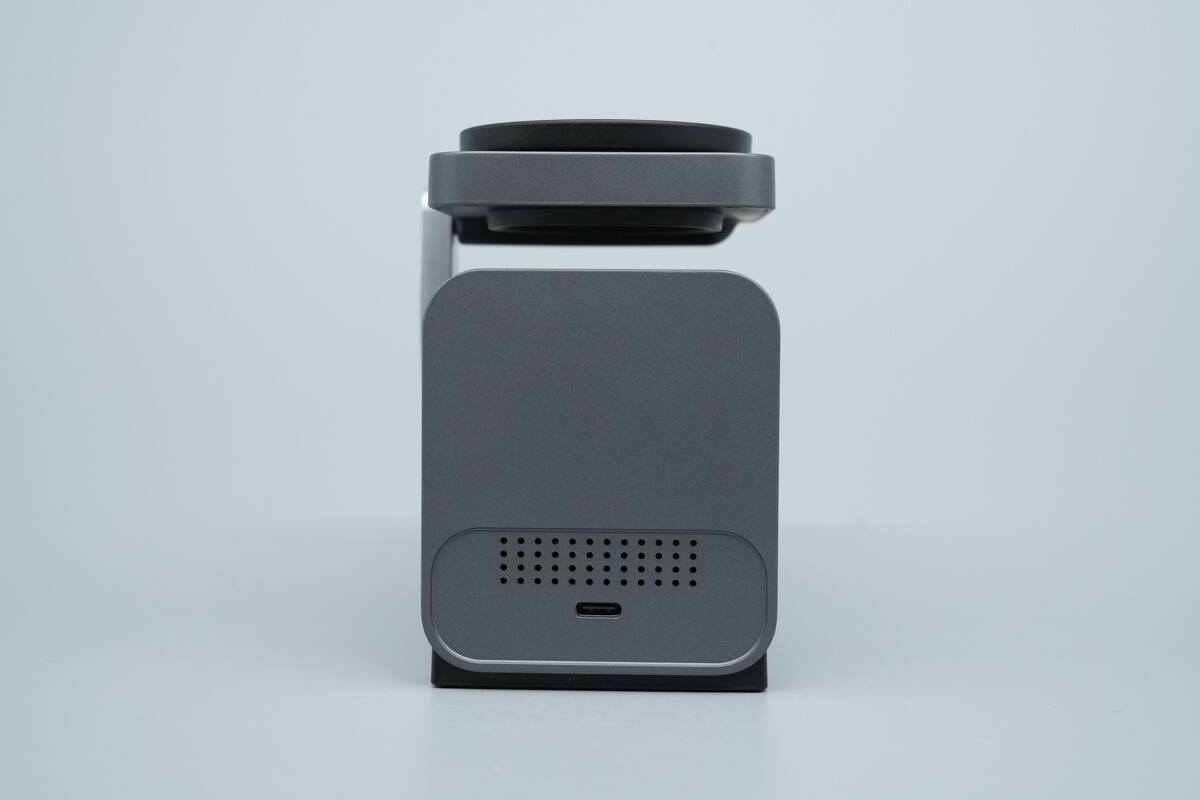
The back of the unit features a USB-C port.
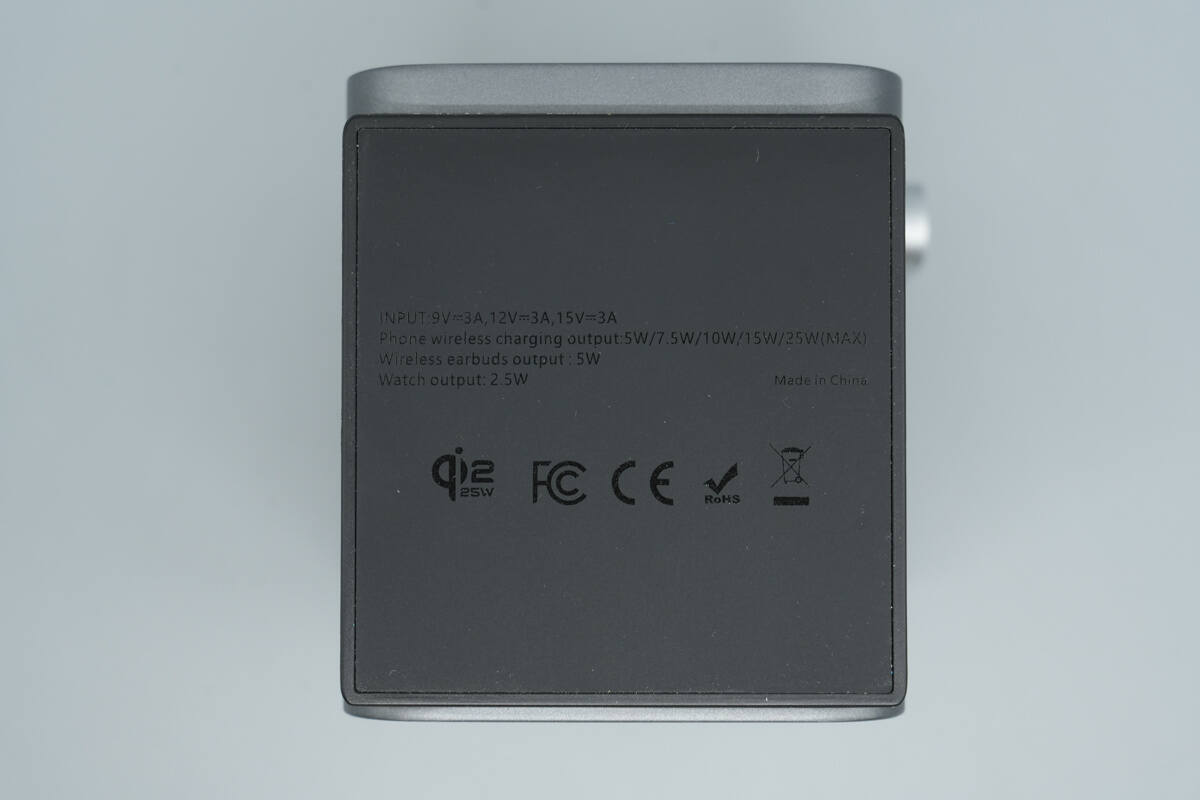
The bottom has anti-slip rubber pads and printed parameter information.
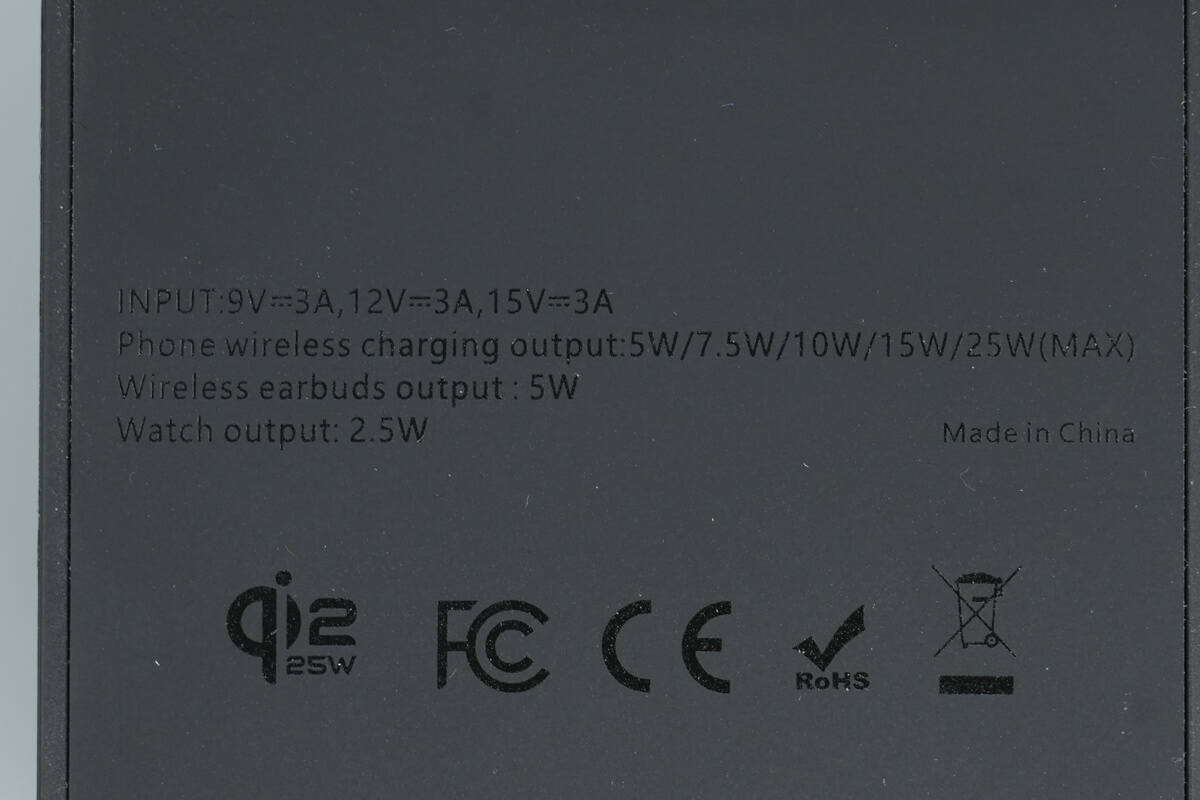
Input: 9V3A, 12V3A, 15V3A
Phone Wireless Charging Output: 5W/7.5W/10W/15W/25W (MAX)
Earphone Wireless Charging Output: 5W
Smartwatch Wireless Charging Output: 2.5W

The height of the unit is about 107.6 mm (4.24 inches).
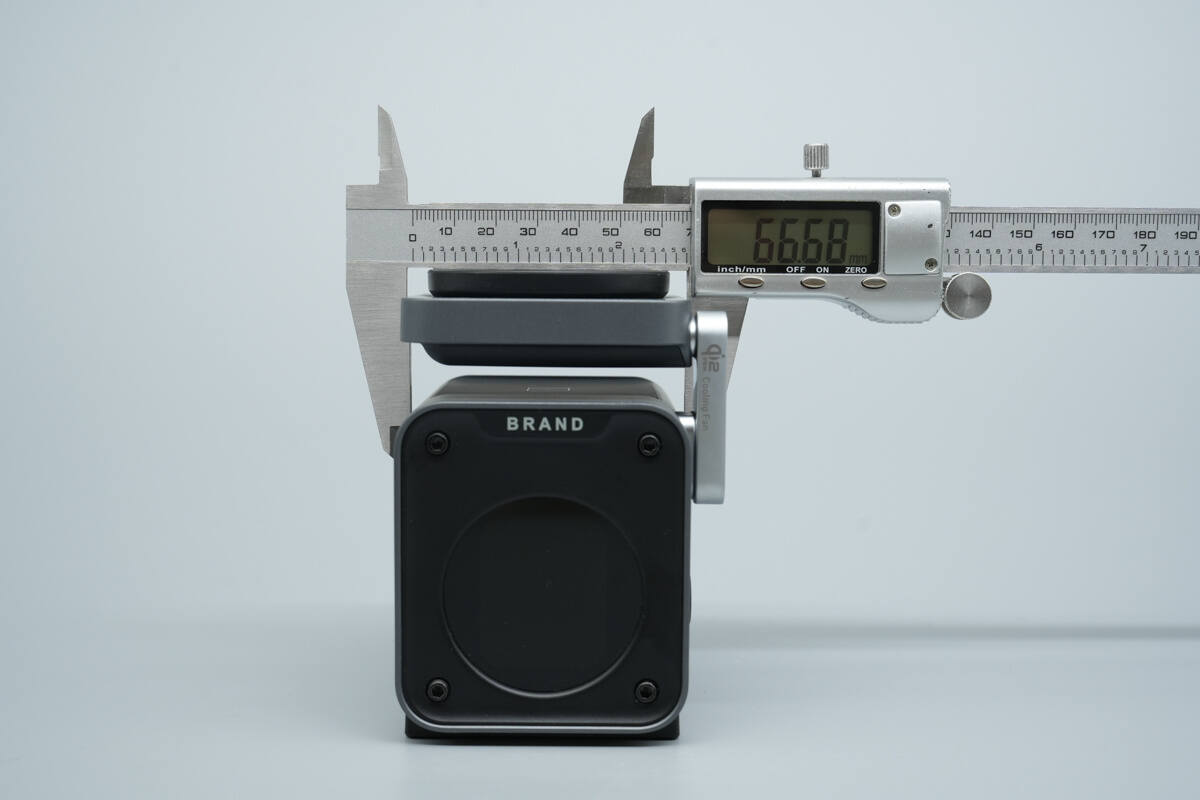
The width is about 66.7 mm (2.63 inches).
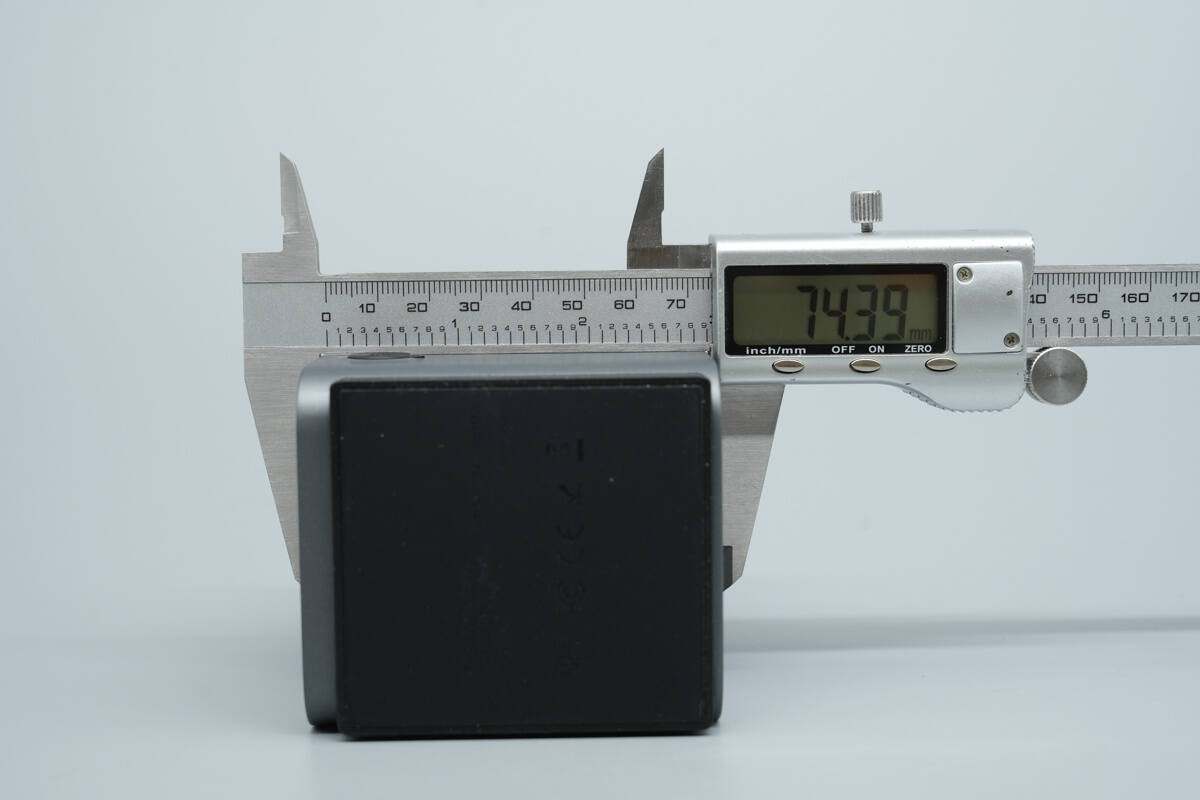
The thickness is about 74.4 mm (2.93 inches).
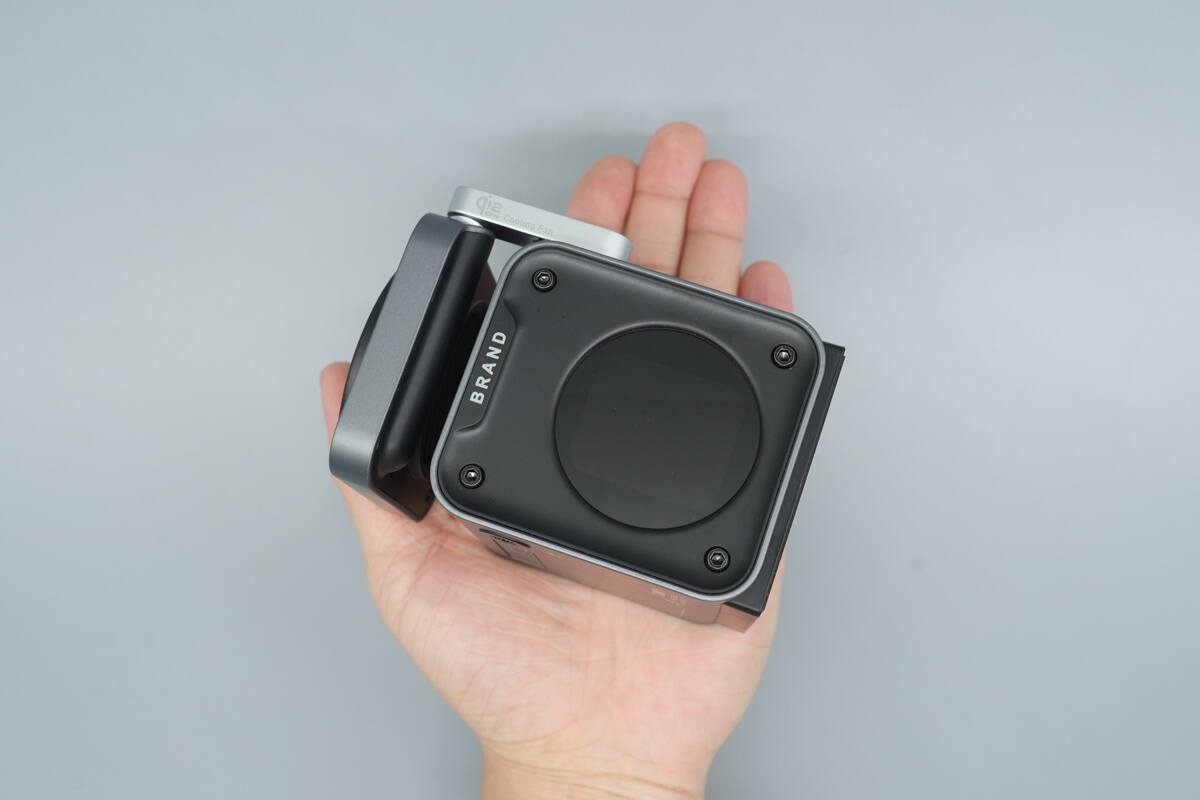
That's how big it is in the hand.
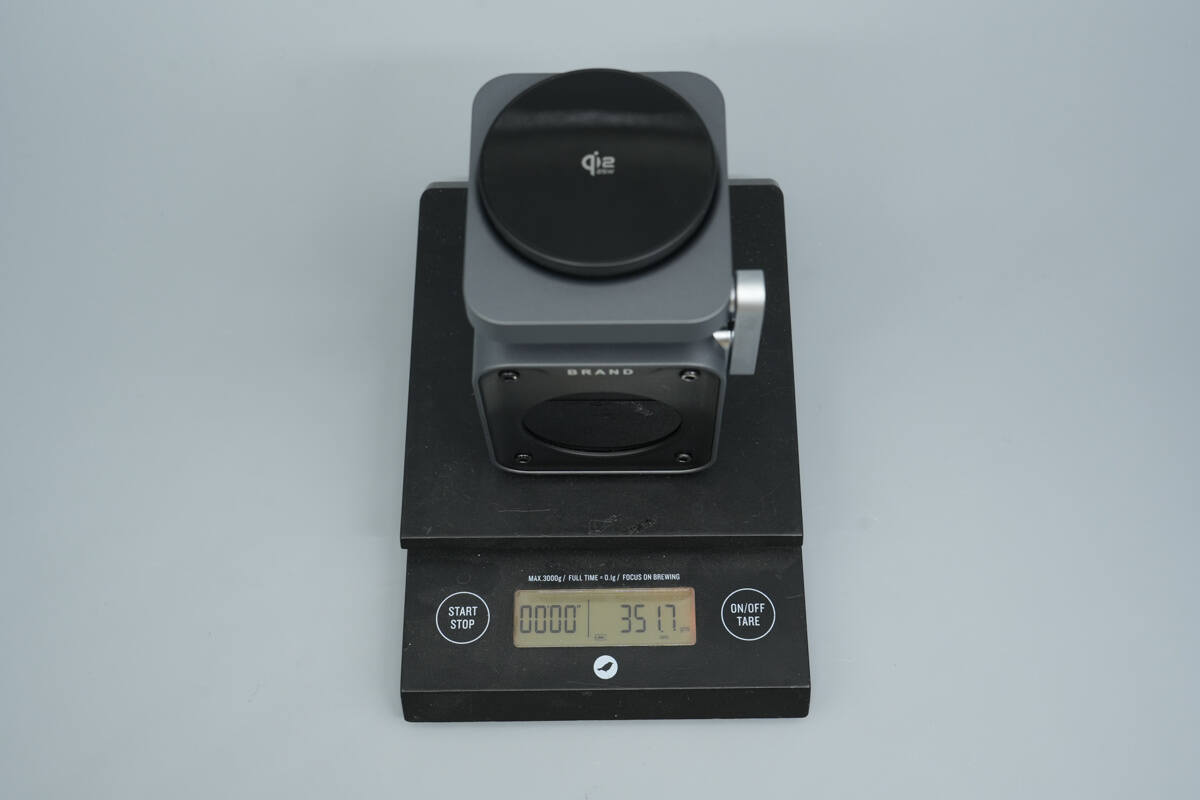
The weight is about 352 g (12.42 oz).
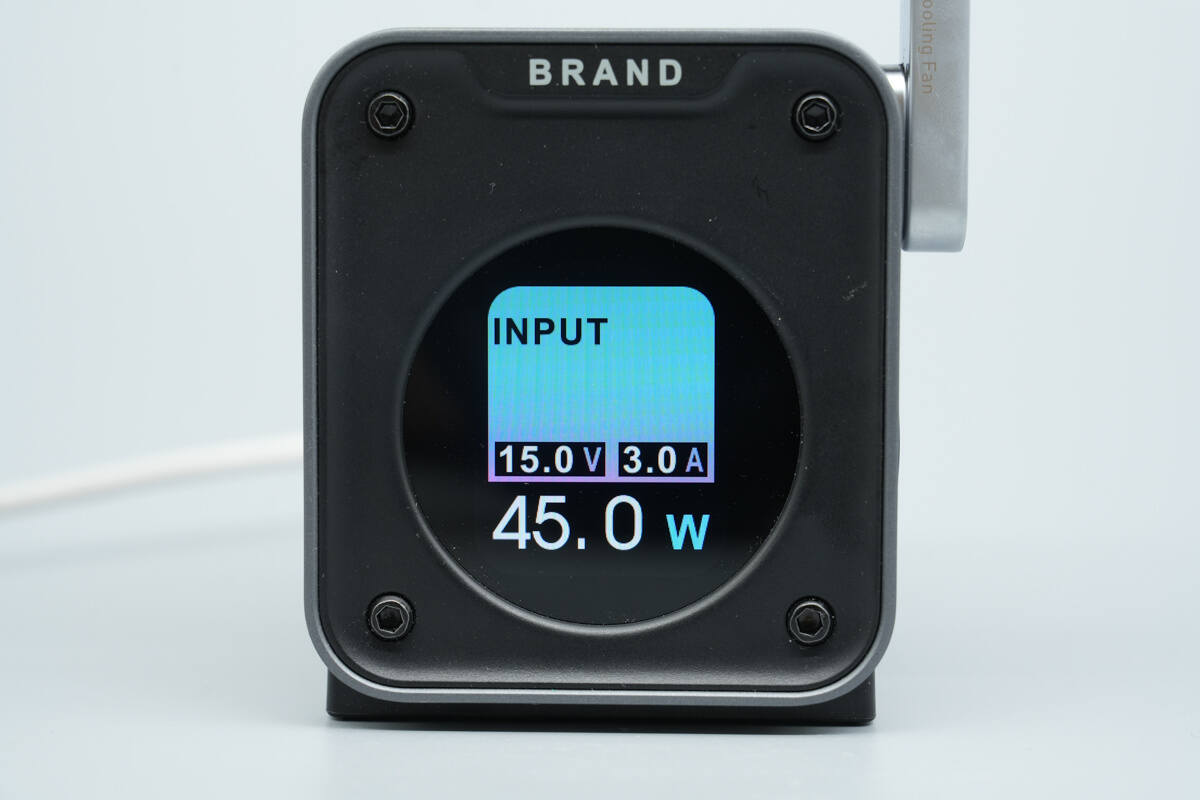
When powered on, the screen displays the current input setting as 15V3A, with an input power of 45W.
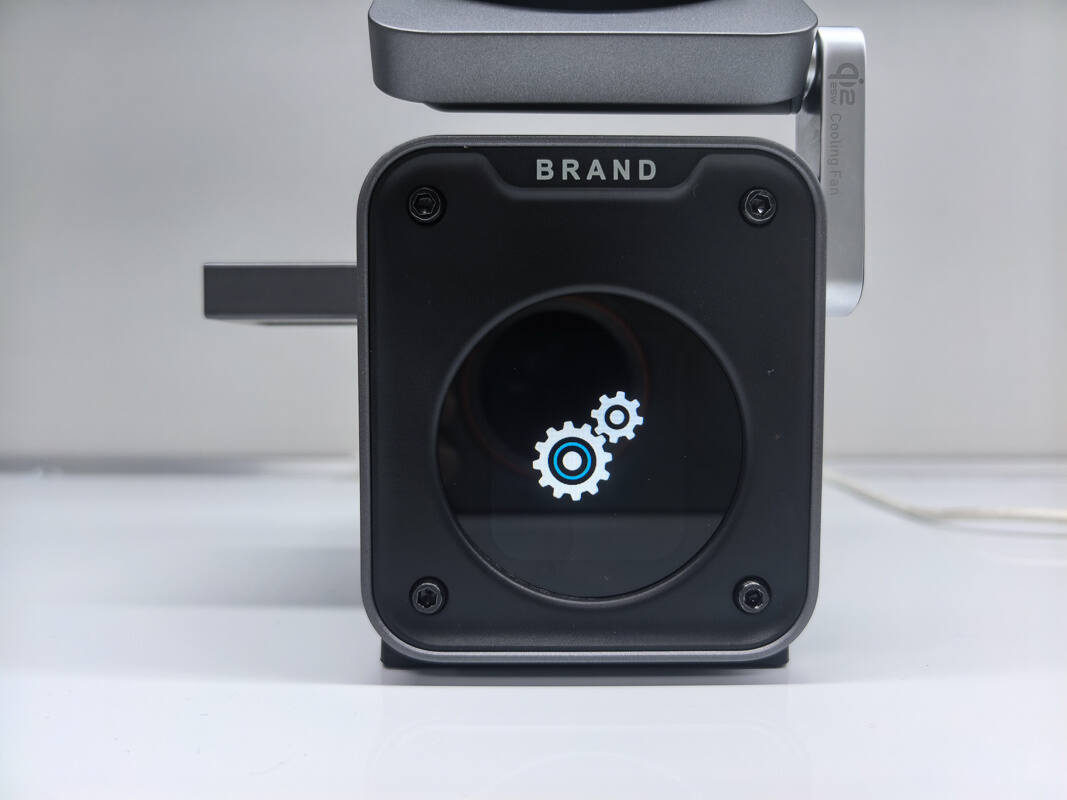
Press and hold the touch button for 3 seconds, and the screen will display a gear icon, indicating the smartwatch module will extend or retract.
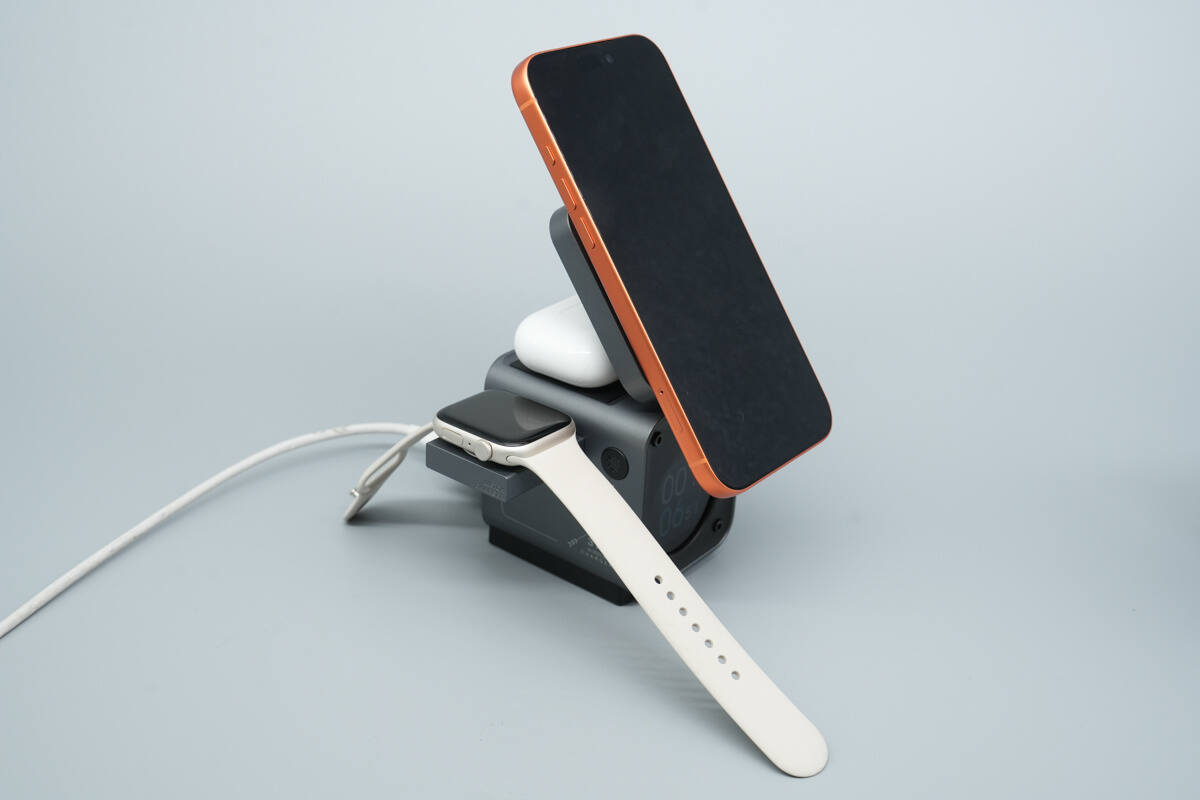
It can simultaneously charge the iPhone 17 Pro, Apple Watch, and Apple AirPods.
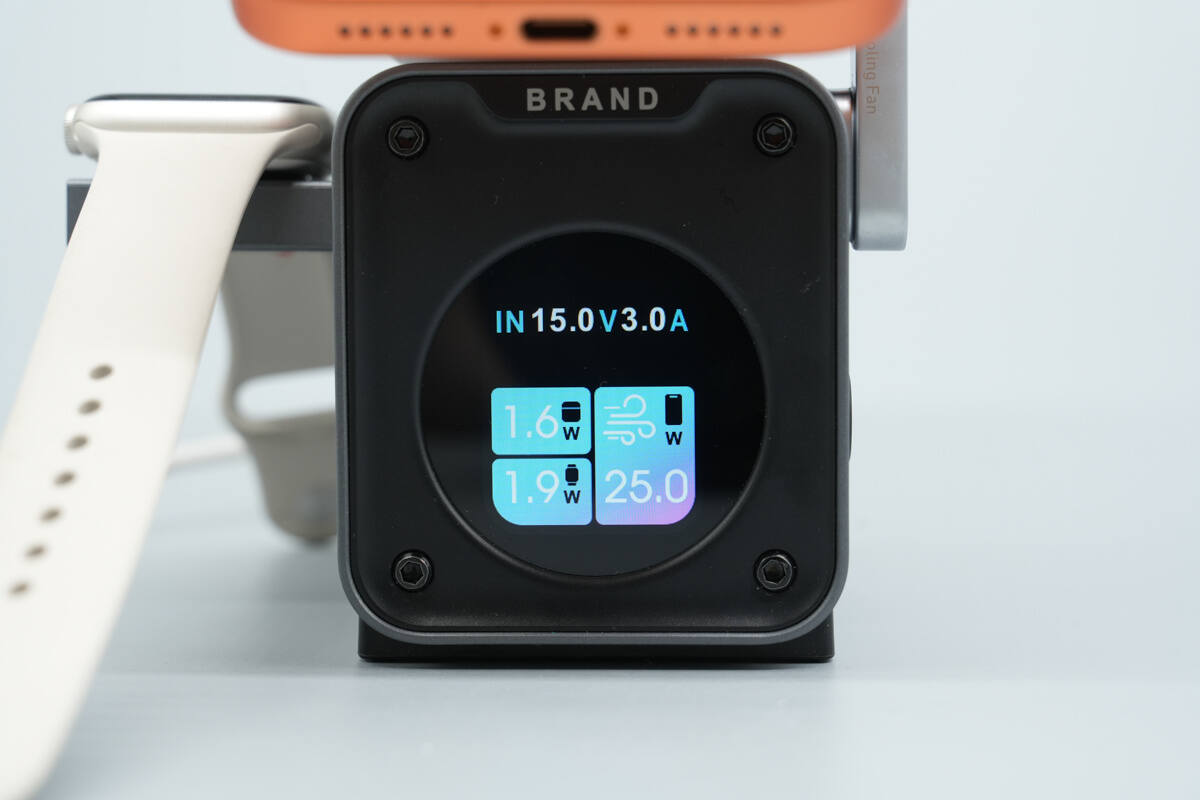
The screen displays the input voltage and current specifications, as well as the charging power of each device.

When charging the smartwatch alone, the corresponding icon and charging power are displayed on the screen.
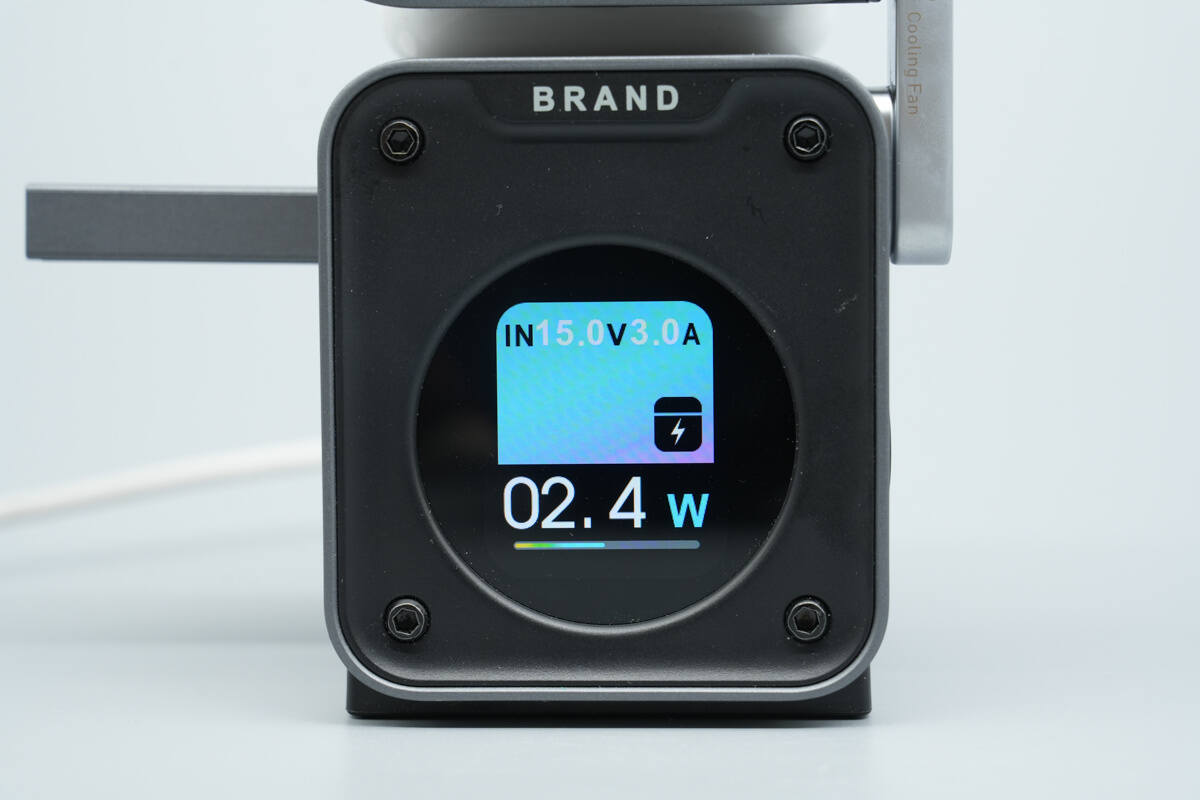
When charging the earphones alone, the corresponding icon and charging power are displayed on the screen.
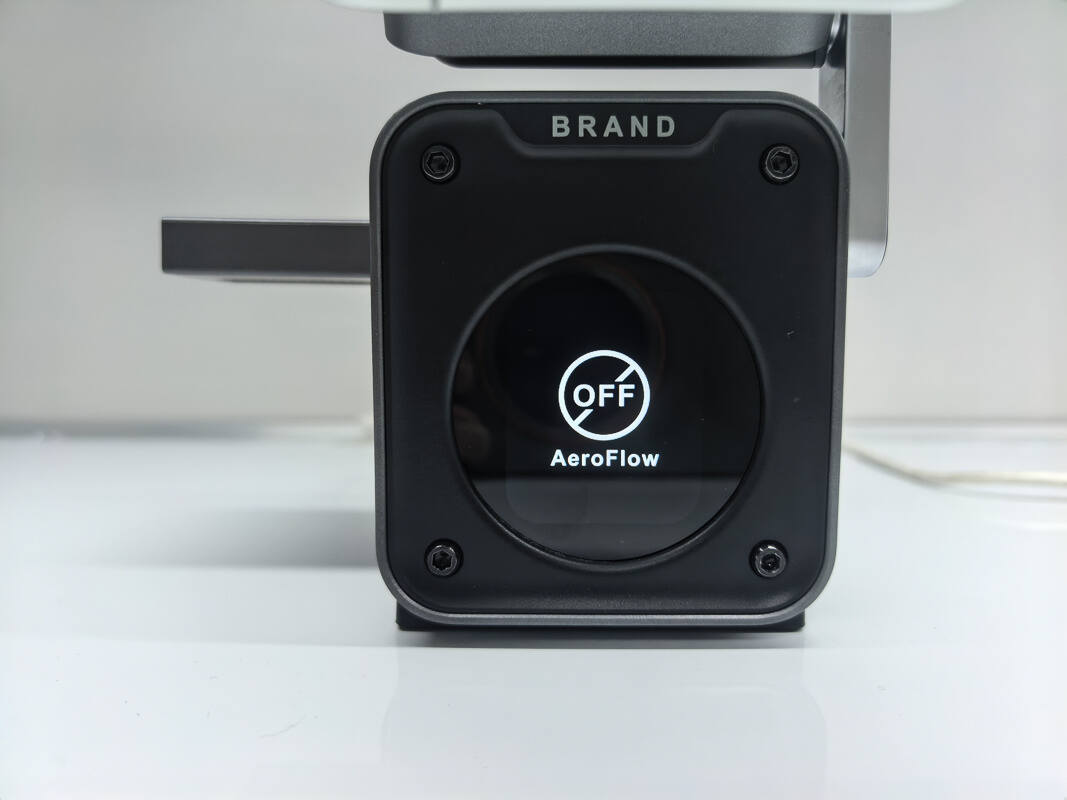
When charging the phone, double-tap to turn off the fan, and the "OFF AeroFlow" icon will be displayed.
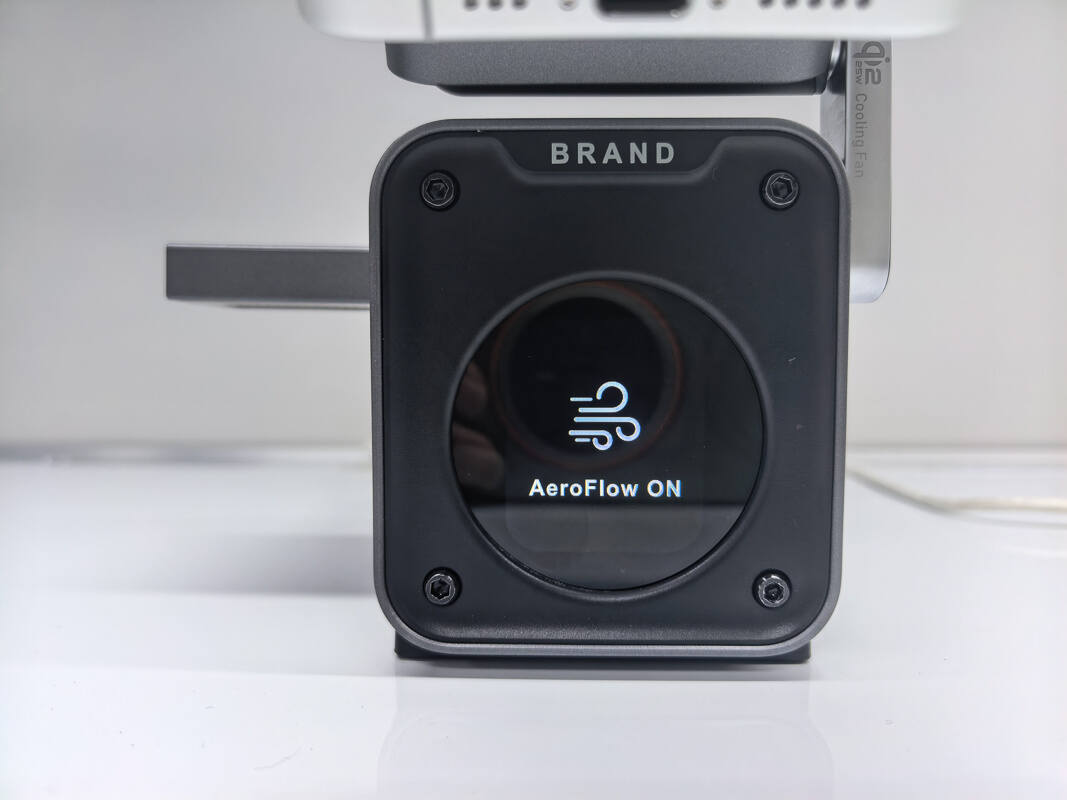
When charging the phone, double-tap to turn on the fan, and the "ON AeroFlow" icon will be displayed.
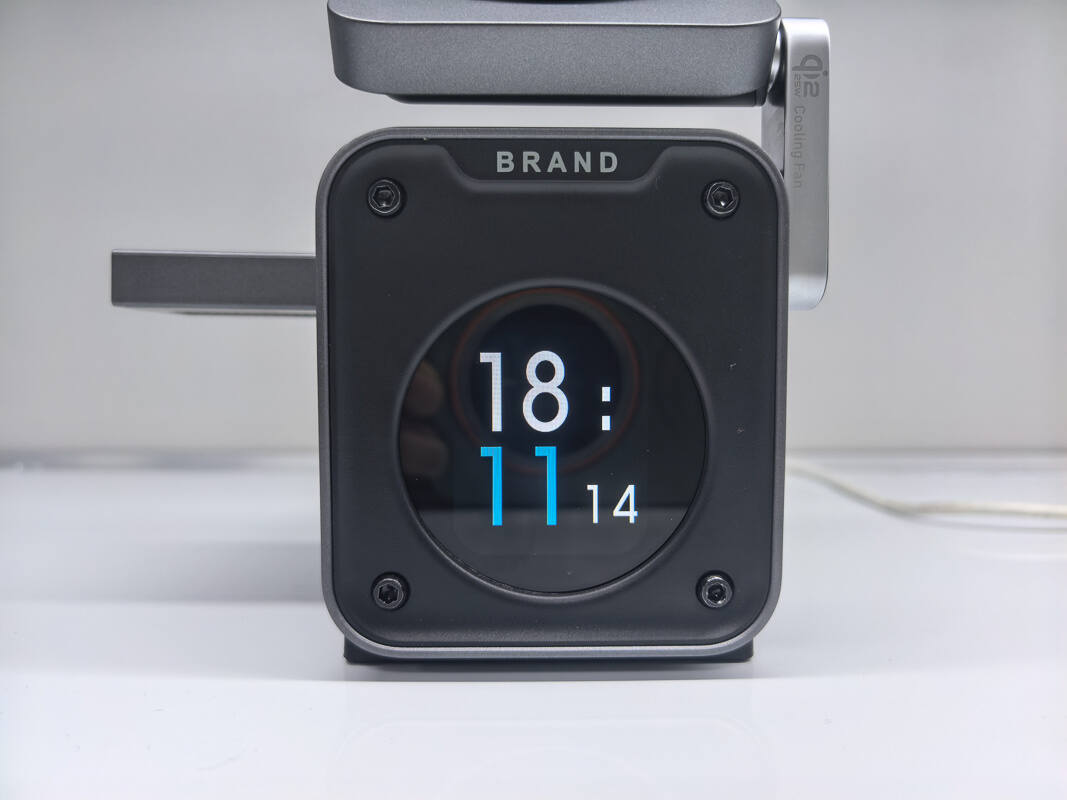
After connecting via Bluetooth, the current clock interface will be synced and displayed.
Teardown
Next, let's take it apart to see its internal components and structure.
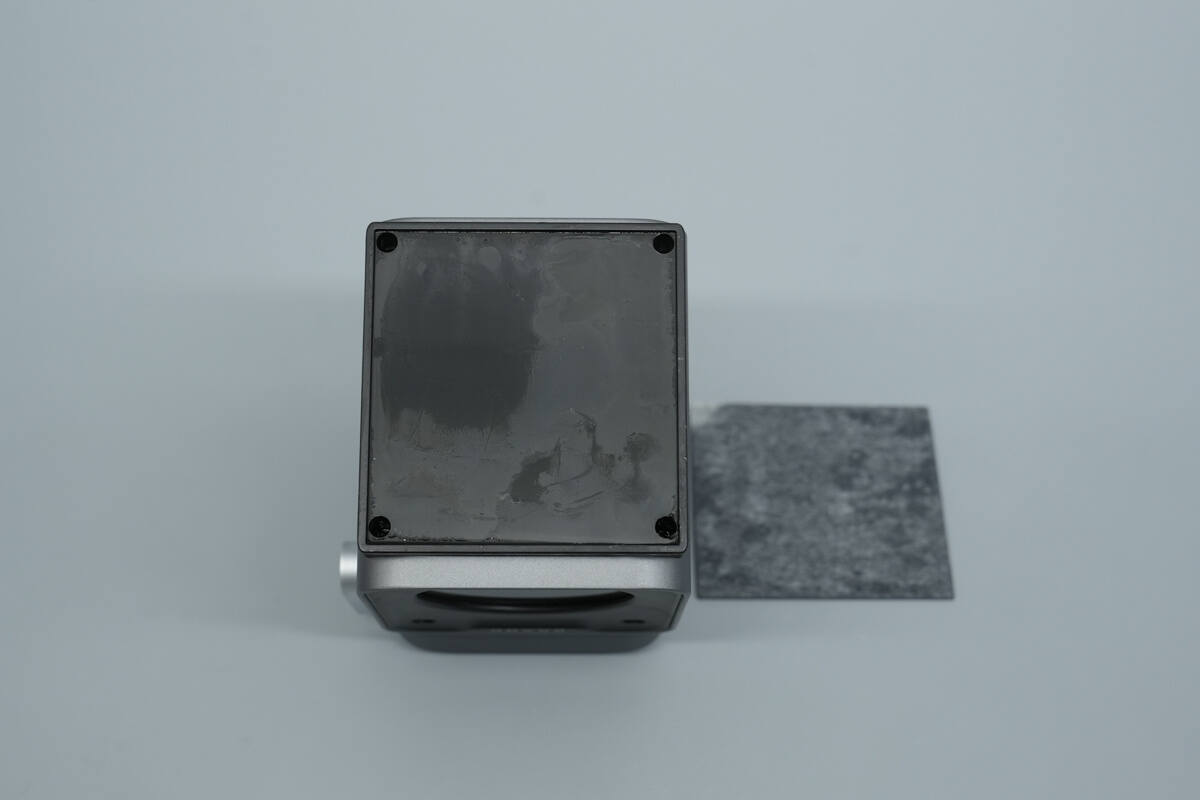
Peel off the anti-slip footpads on the bottom, and you'll find screws inside for fixation.
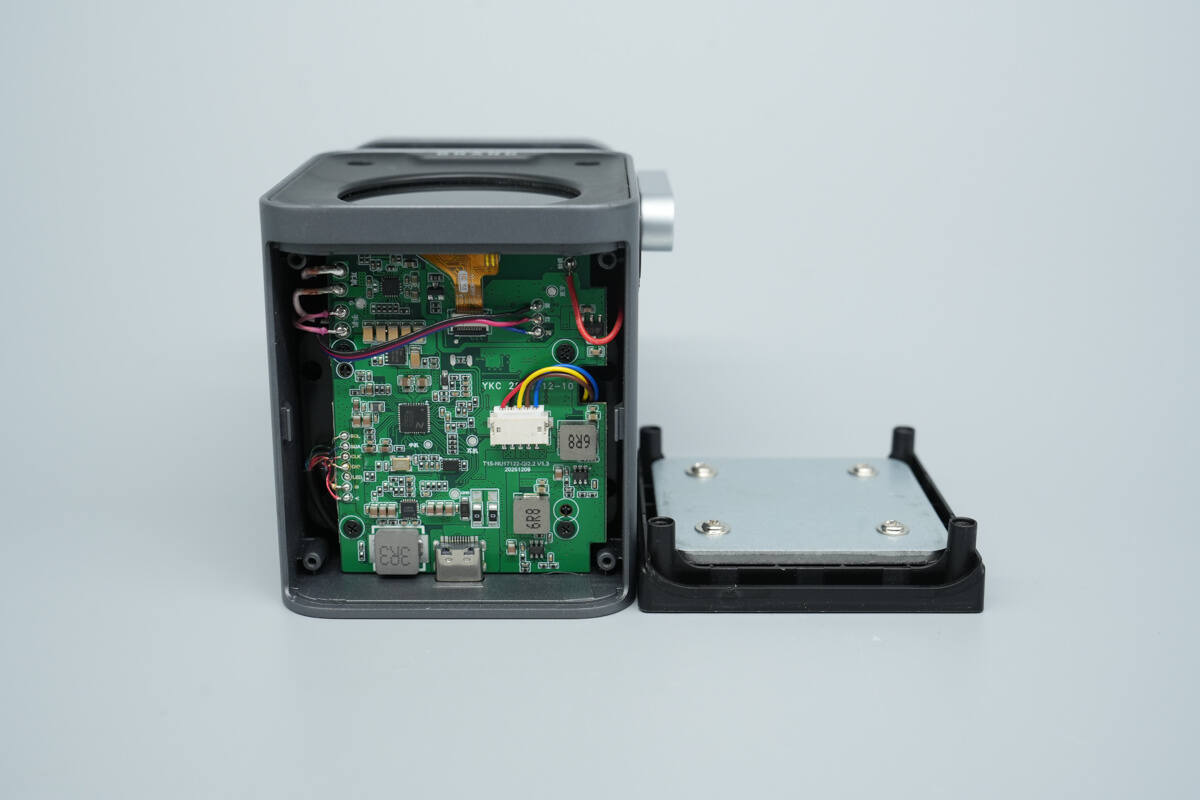
Unscrew the screws and remove the bottom cover, revealing the PCBA module inside.
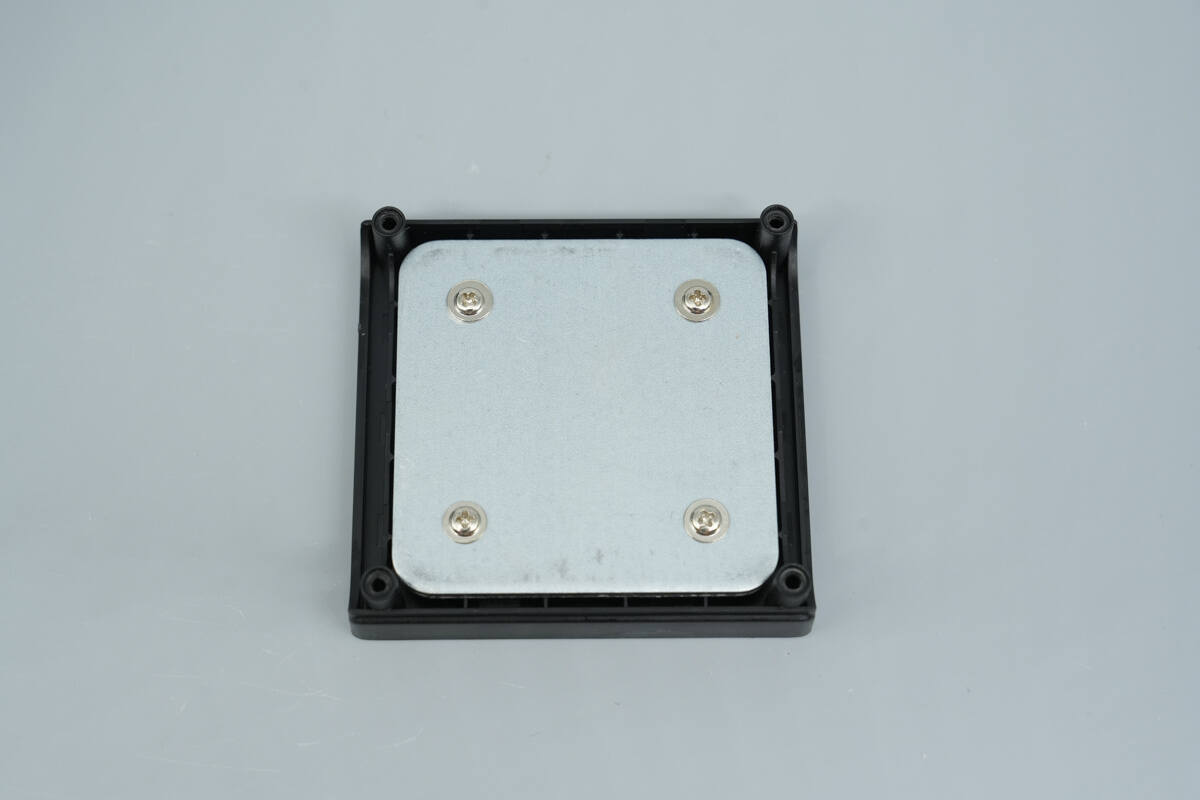
The back cover is secured with screws that hold the counterweight iron plate in place.
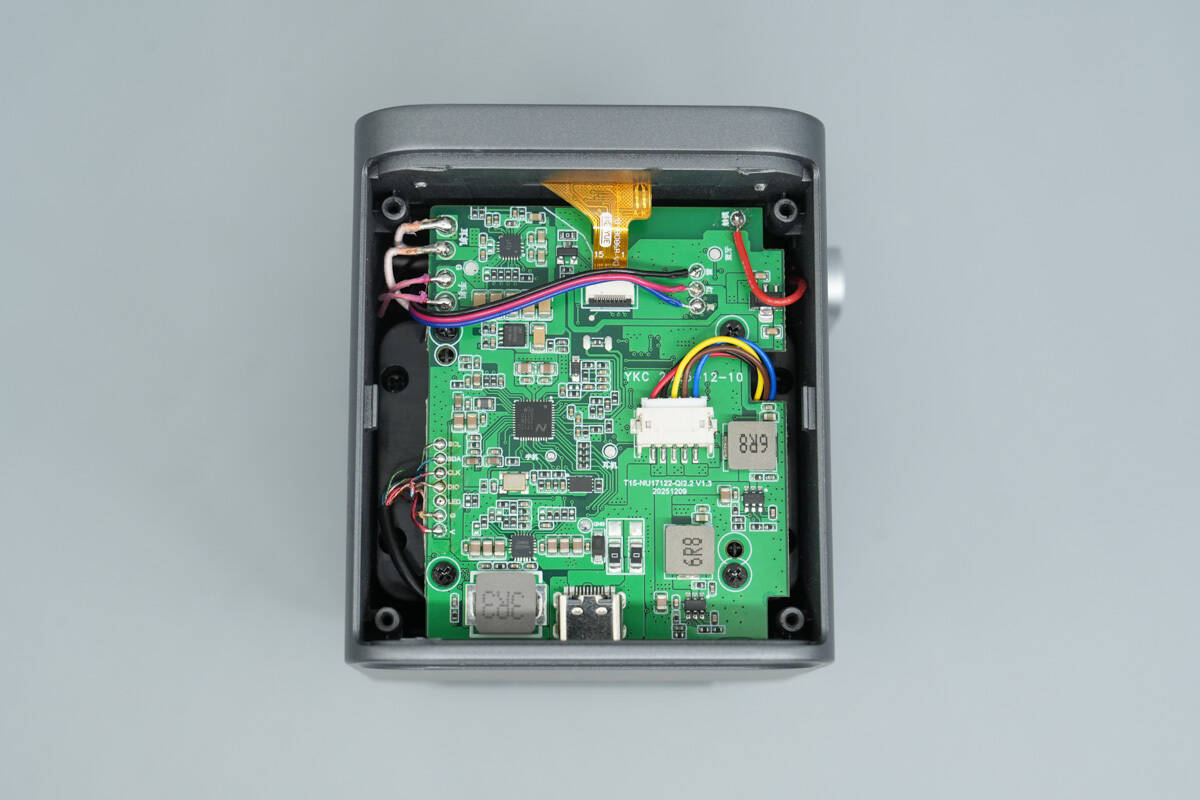
The PCBA module is soldered to connect the wireless charging coil and cooling fan, while the screen and motor are connected via connectors.
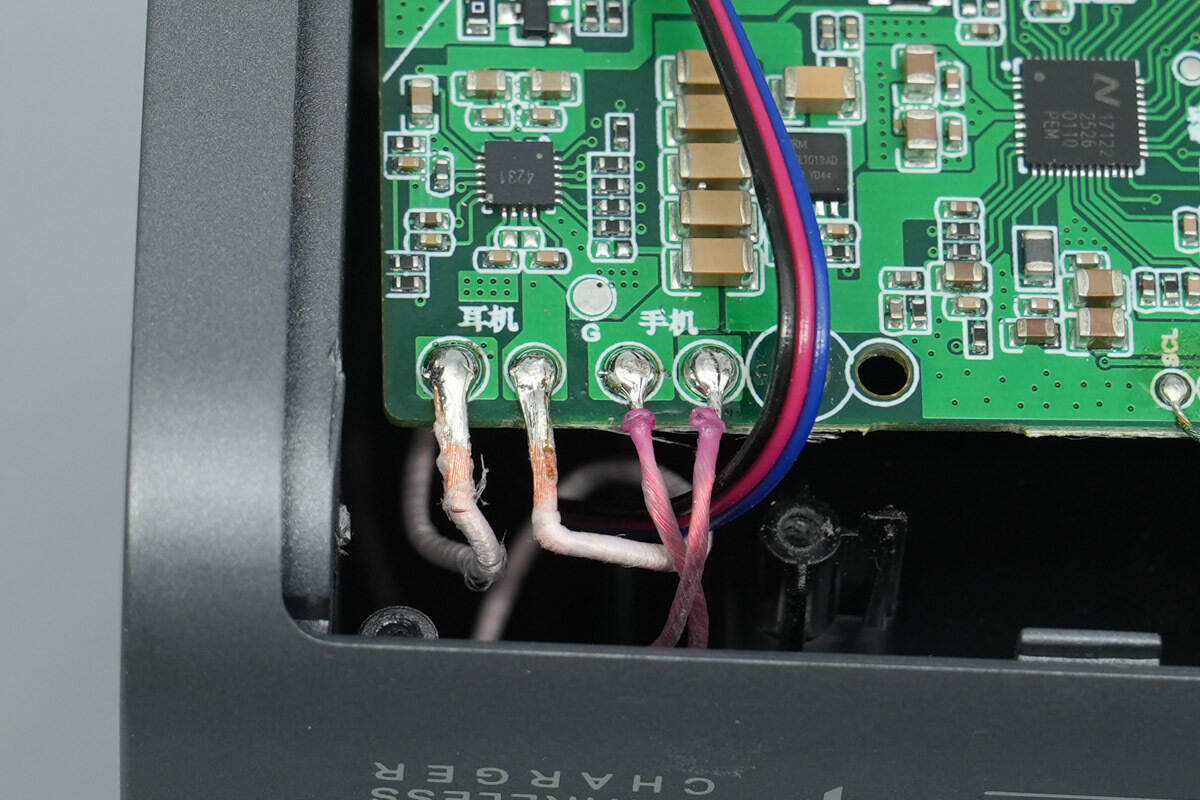
The wireless charging coils for the earphones and phone are connected via soldering.
The internal cooling fan of the magnetic wireless charging module is connected via wires through soldering.
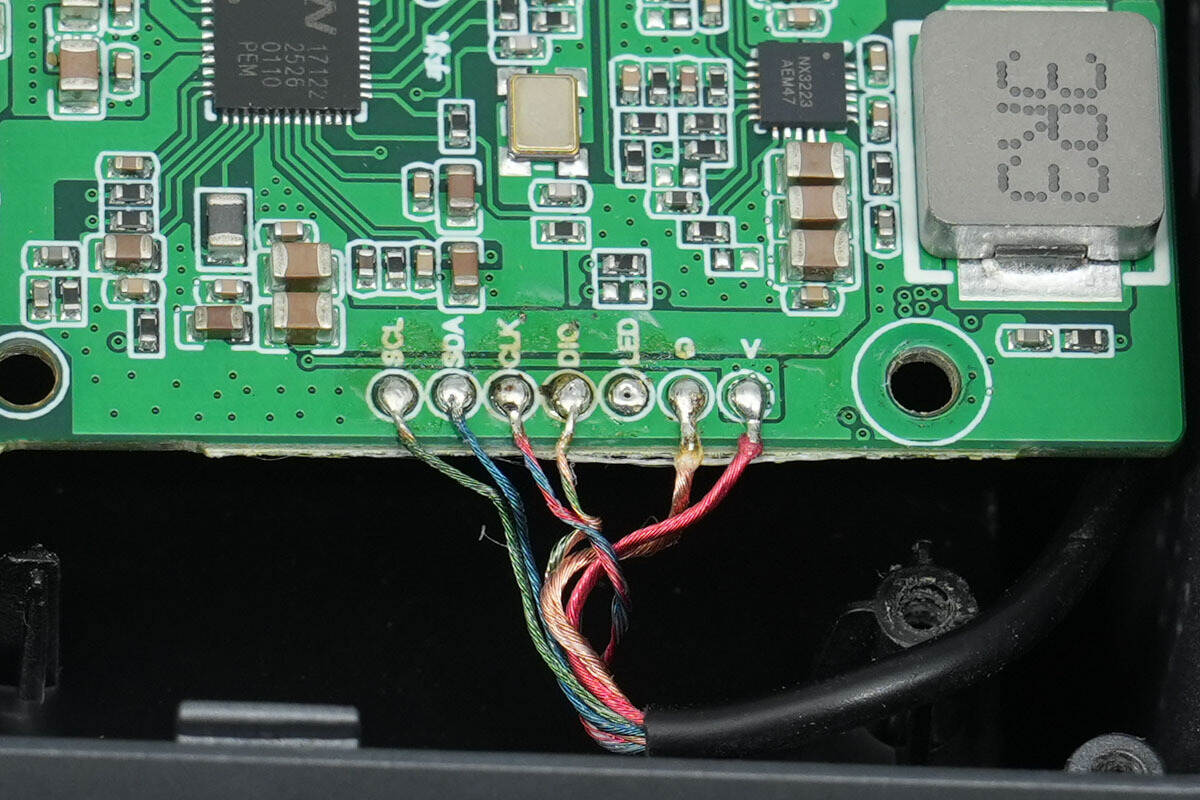
The smartwatch wireless charging module is connected via soldering with enameled wire.
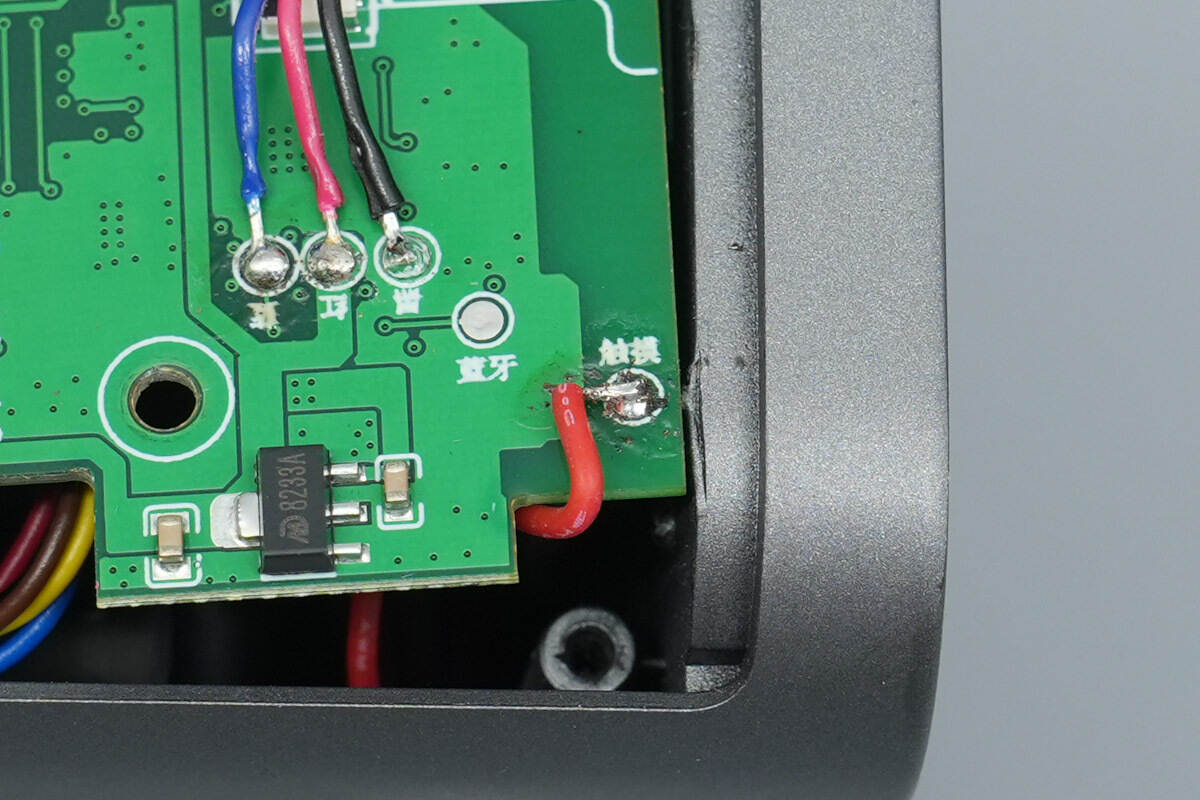
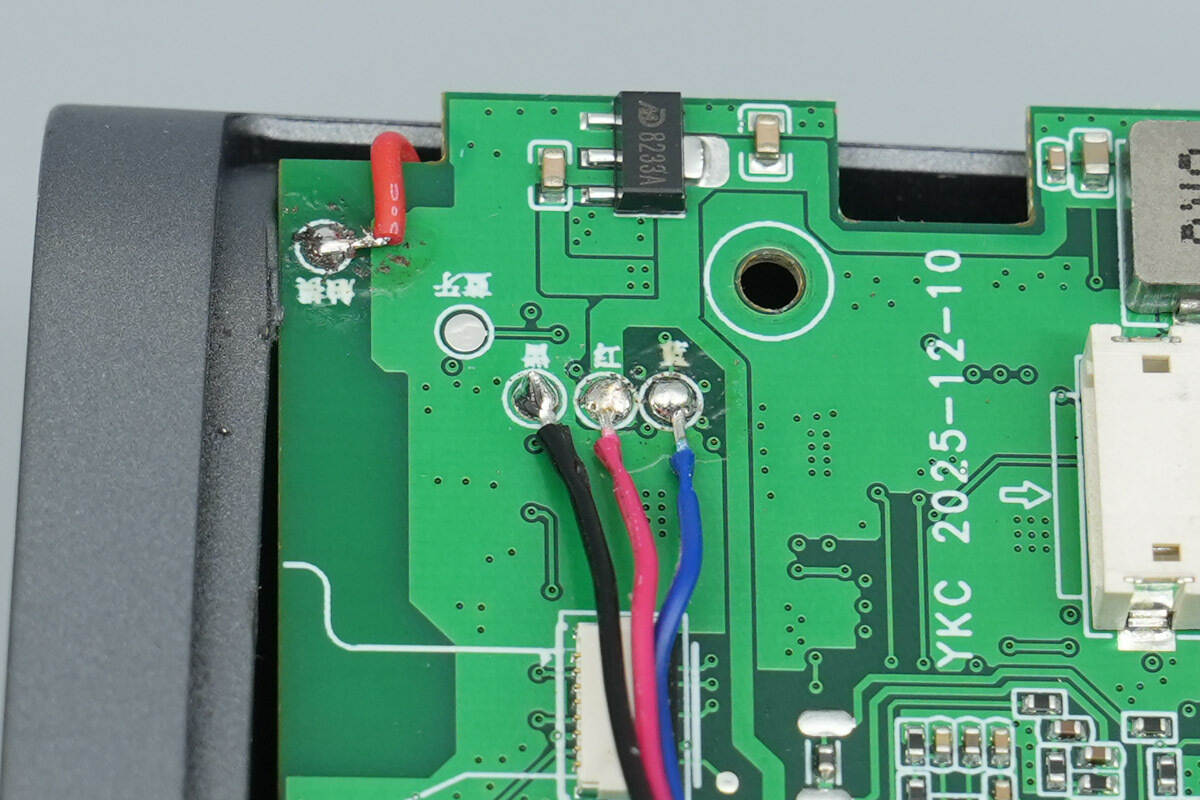
The touch button is connected via soldering with a wire.
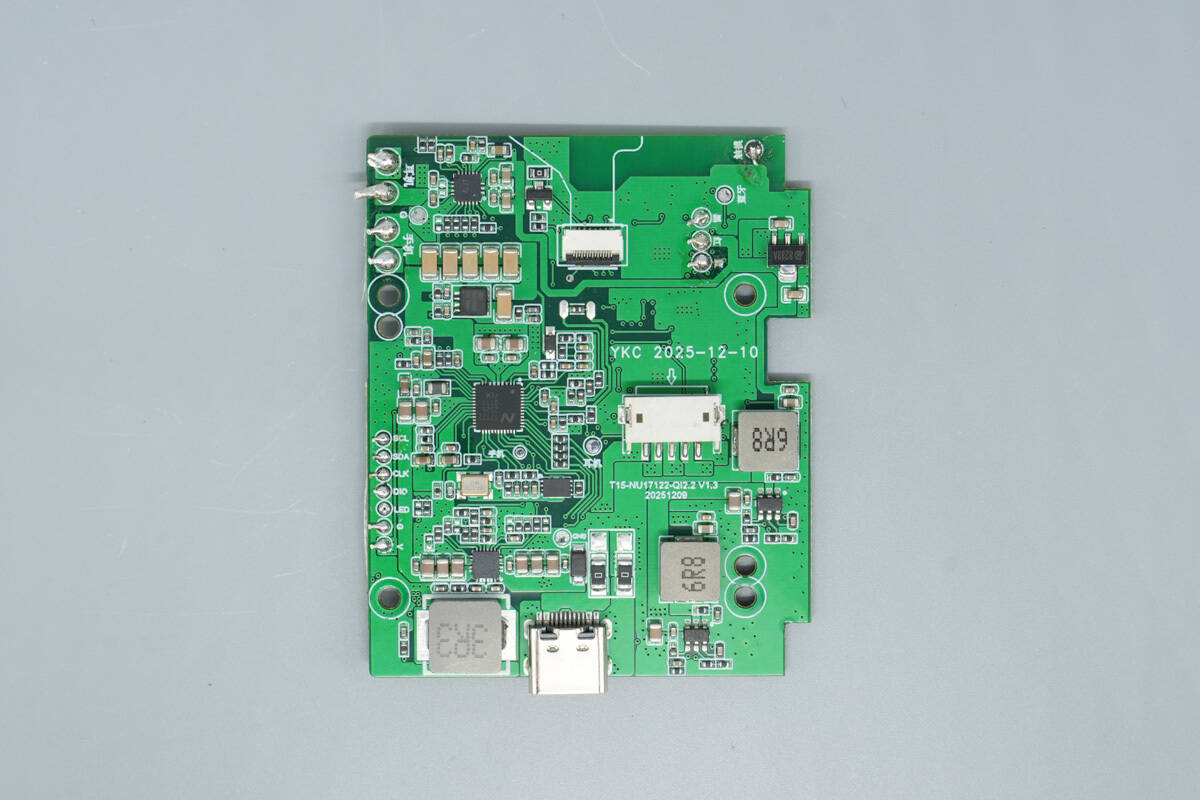
The front of the PCBA features a USB-C socket, an integrated power management chip for earphone wireless charging, a resonant capacitor for phone wireless charging, a switch MOSFET, a wireless charging SoC, a synchronous buck-boost converter, power inductors, a voltage regulation circuit, a synchronous buck-down chip, and a buck-down inductor.
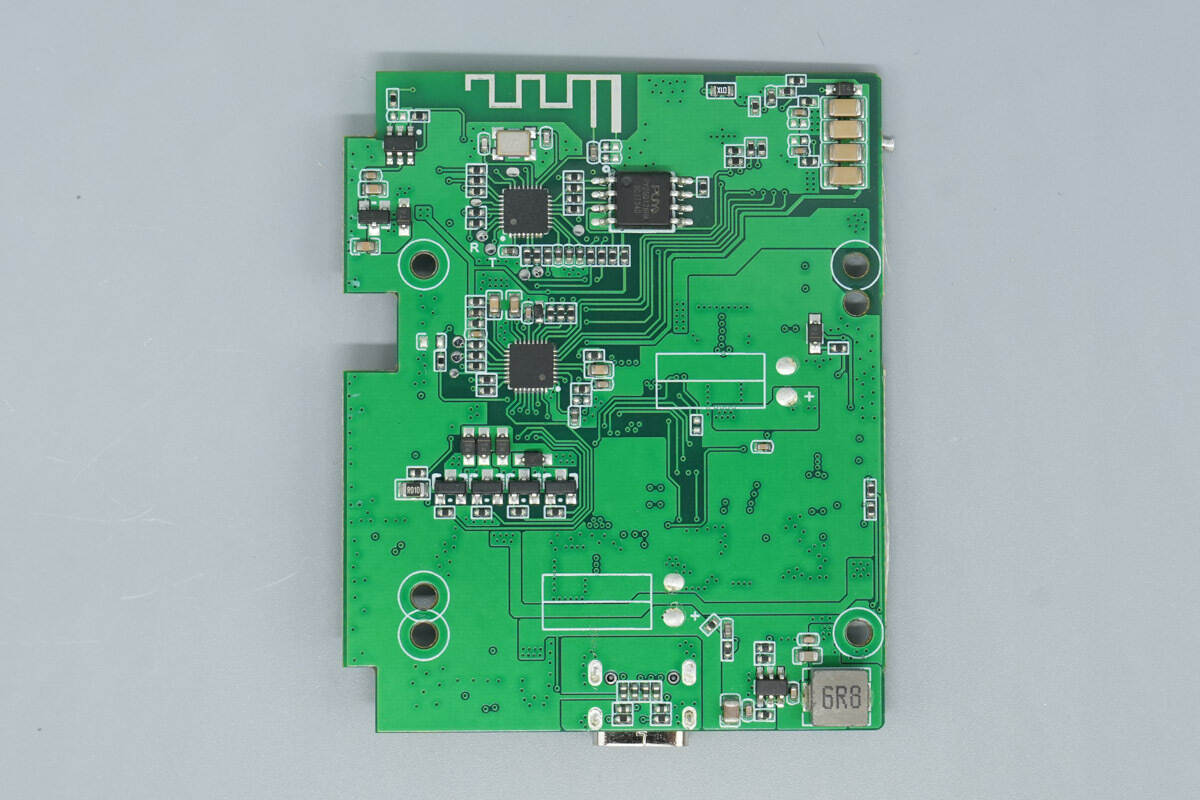
The back of the PCBA contains a Bluetooth SOC, memory, wireless charging master controller, wireless charging resonant capacitors, synchronous buck-down chip, and buck-down inductor.
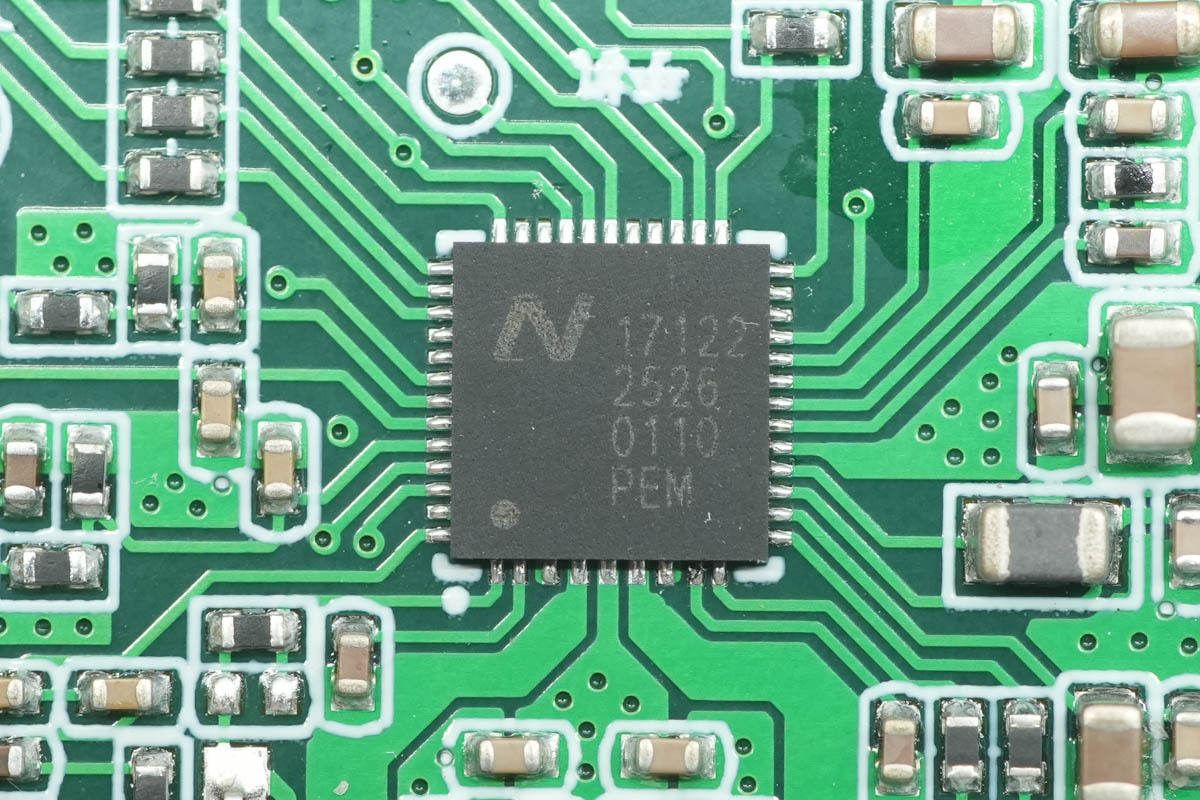
The phone's wireless charging master controller is from NuVolta, model NU17122. It is a highly integrated and efficient wireless charging transmitter chip, featuring a 32-bit MCU core with a running frequency of 36MHz. It integrates 128KB of FLASH and 8KB of SRAM, and supports WPC Qi2 wireless charging.
The chip integrates a high-efficiency full-bridge and driver, high-precision input current detection, LDO (Low Dropout Regulator), and a switching buck converter. It also includes undervoltage protection, overvoltage protection, overcurrent protection, and overheat shutdown. It features I2C and UART interfaces, supports fast charging power delivery, and is packaged in a QFN47 package.
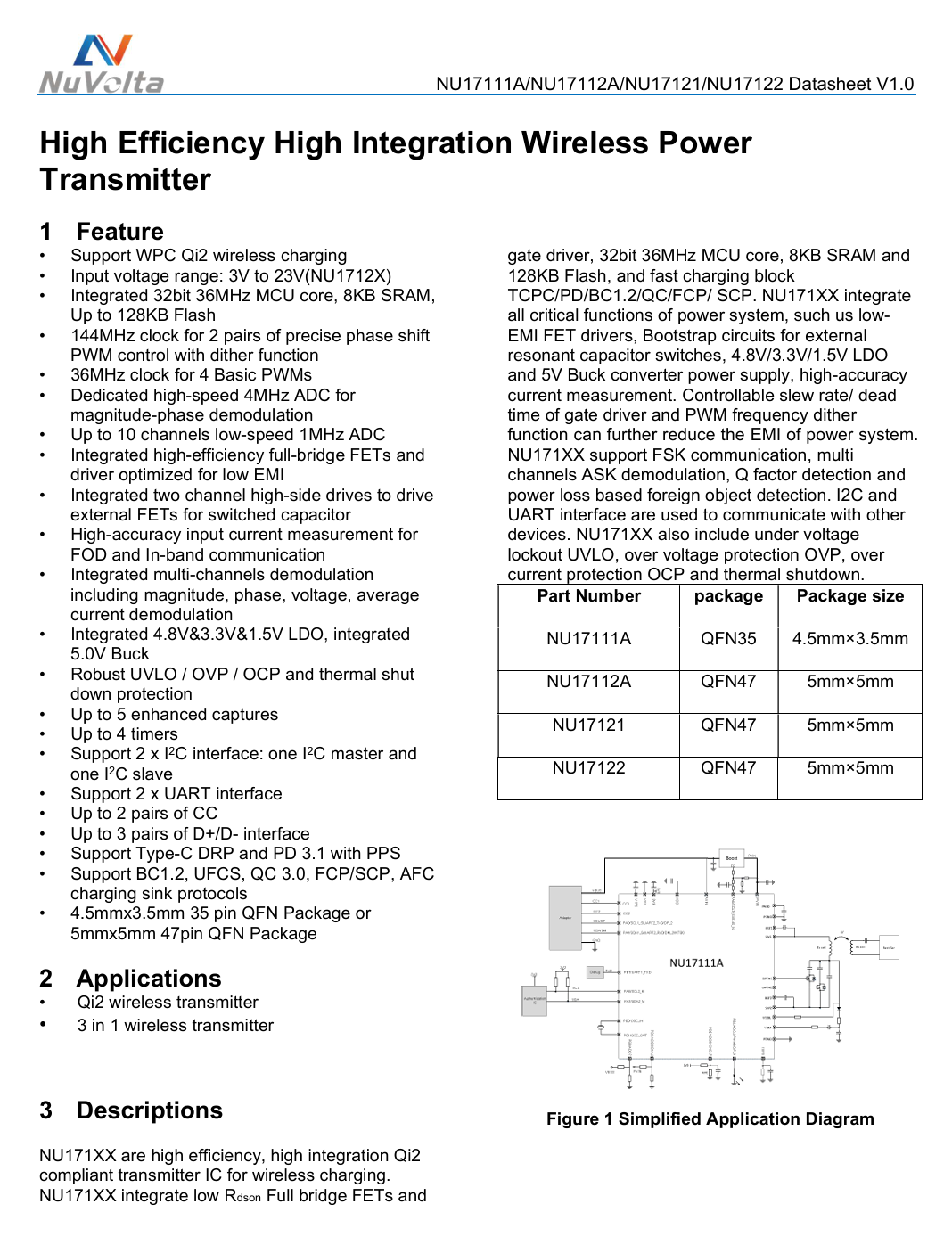
Here is the information about NuVolta NU17122.
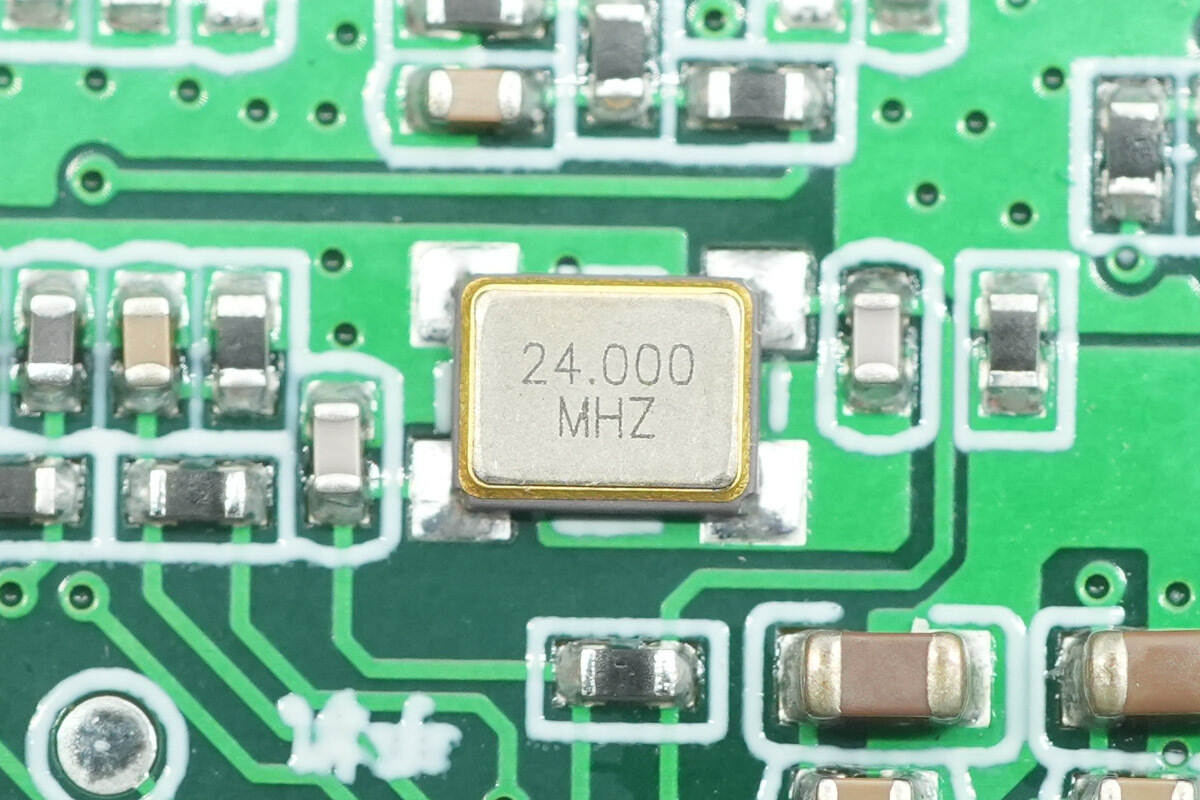
A close-up of the 24.000MHz clock crystal oscillator.
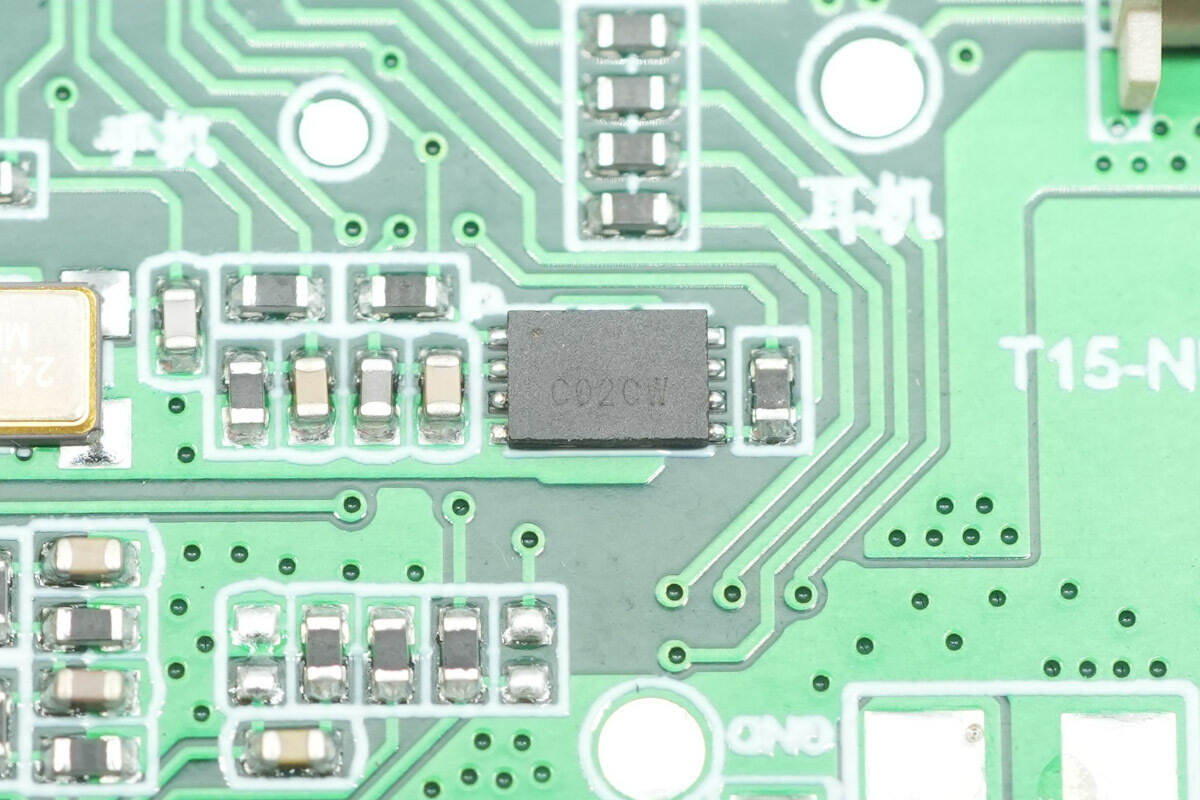
The authentication chip is from HED, marked with C02CW, model CIU98_DQI. It supports ECC algorithms and features an embedded hardware true random number generator. The chip offers multiple interfaces and various configurable low-power modes, along with security settings to protect against SPA/DPA/DFA attacks.
The chip supports a working voltage of 1.62-5.5V, operates within a temperature range of -40 to 85°C, and supports asymmetric security certification and asymmetric encryption/decryption operations. It also provides storage functions for data, keys, and sensitive information. The chip has an I2C interface and supports Qi2.2 authentication applications, packaged in a DFN-8 package.
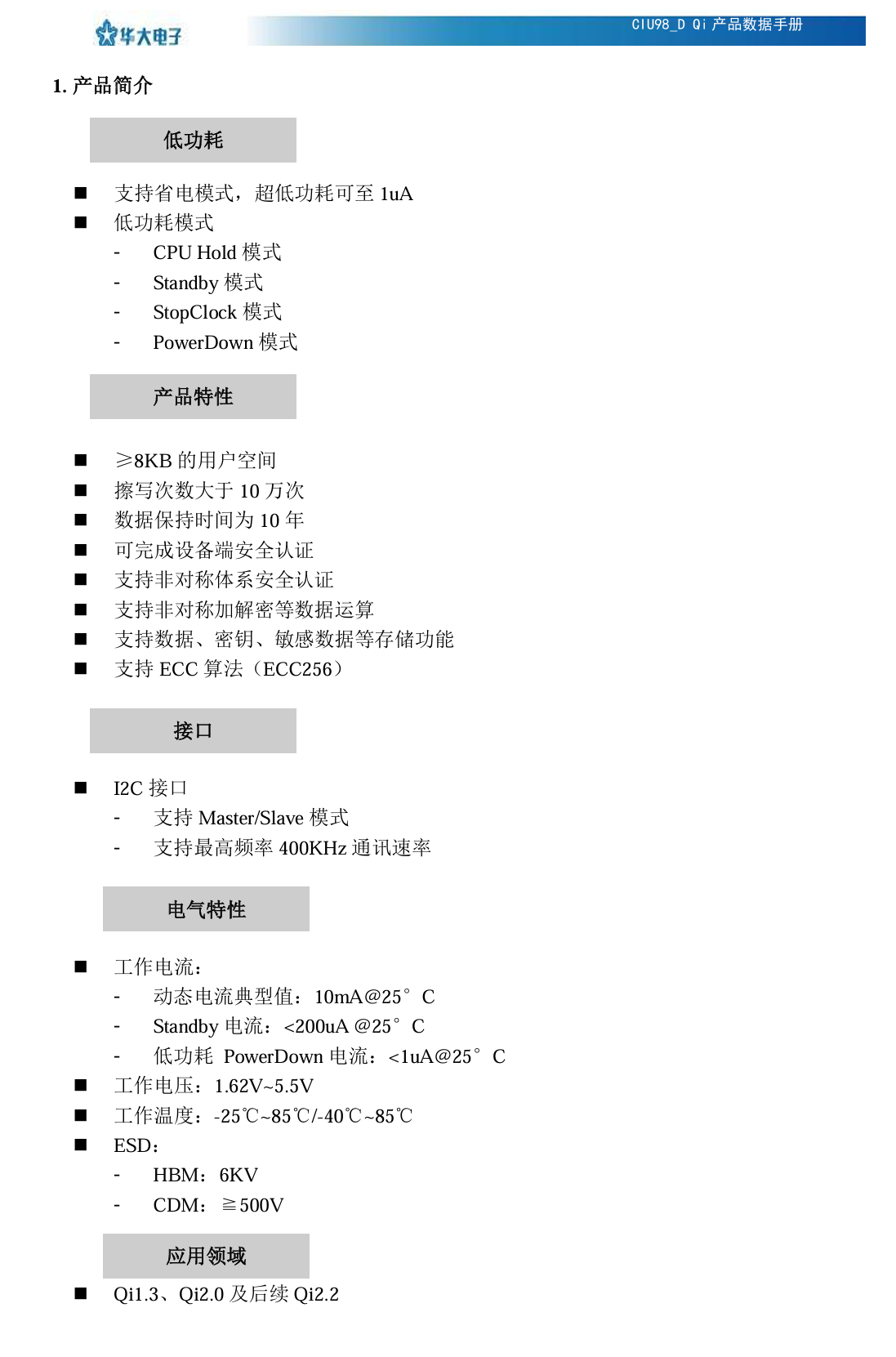
Here is the information about HED CIU98_DQI.
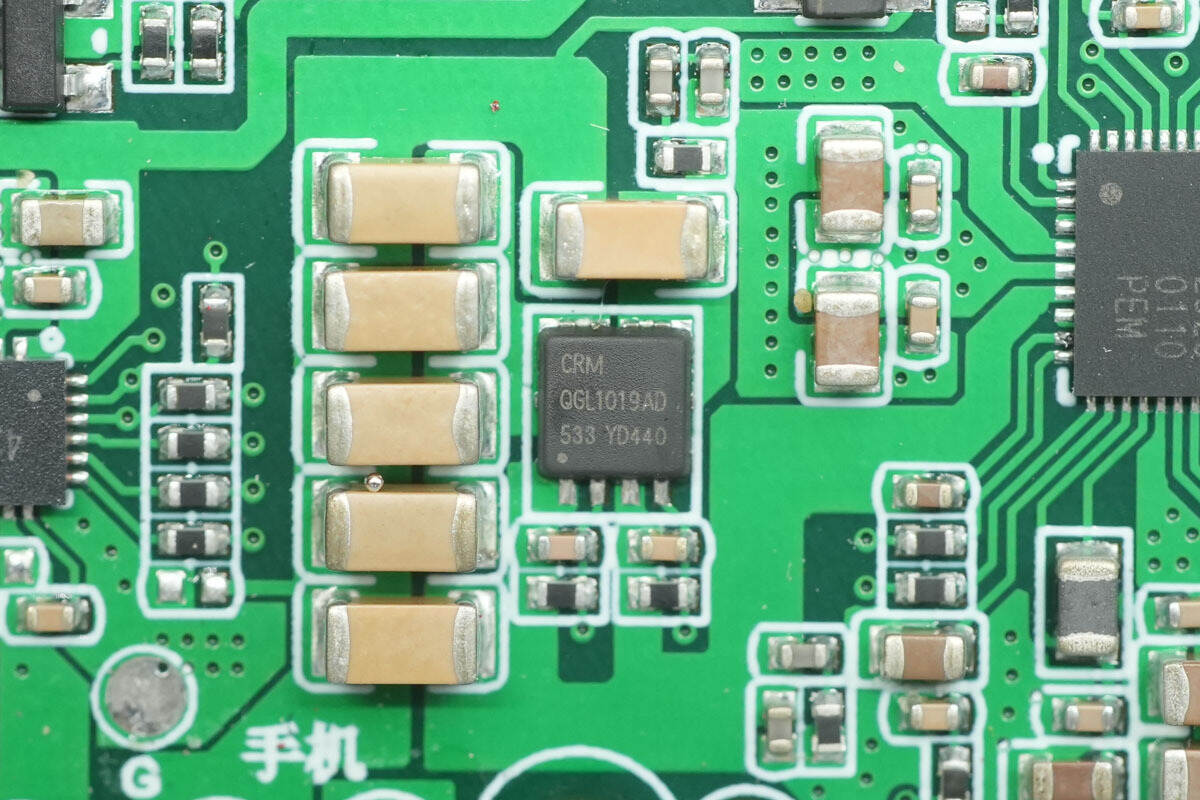
The MOSFET used for resonant capacitor switching is from CRM, model CRMQGL1019AD. It is a dual NMOS transistor with a voltage rating of 100V, an Rds(on) of 22mΩ, and is packaged in a PDFN 3.3*3.3-8L-D package.
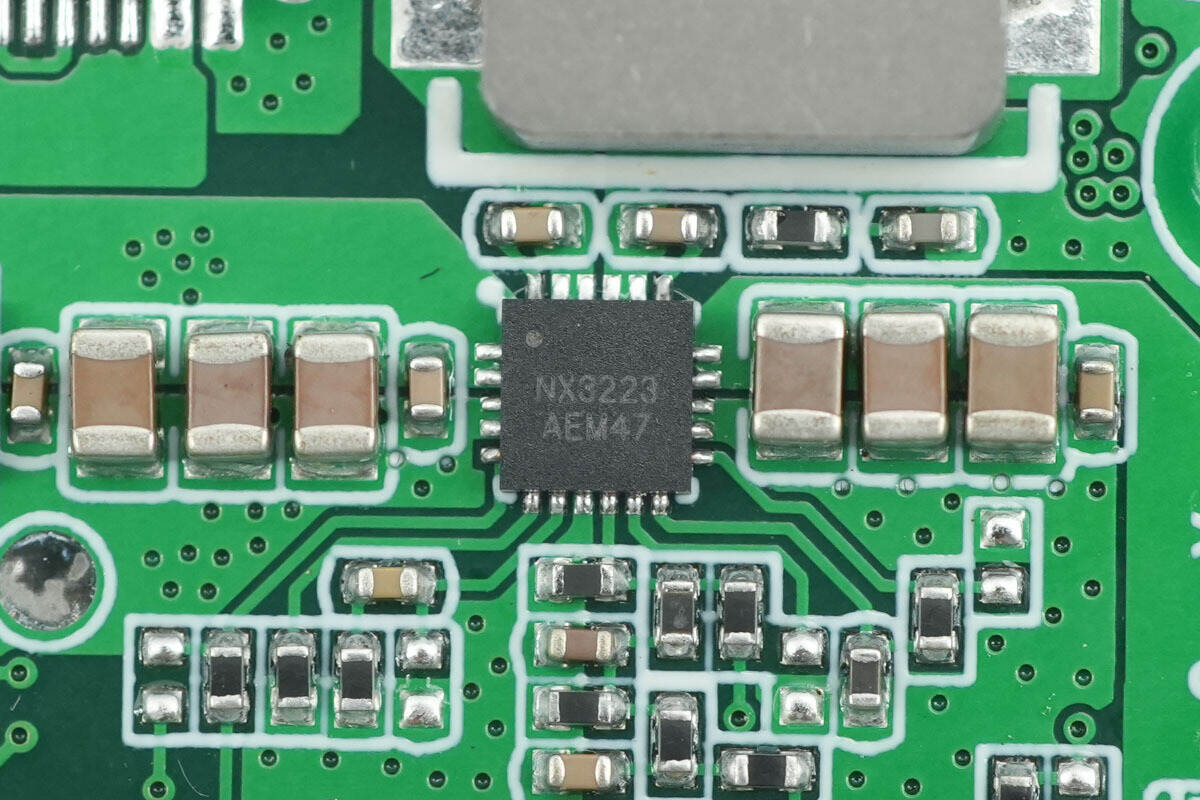
The synchronous buck-boost converter is from SouthChip, model NX3223. It integrates an H-bridge MOSFET and simplifies external components. It supports an input voltage range of 2.7-22V and an output voltage range of 3-22V. The converter supports a 10A inductor current limit, with selectable switching frequencies of 250K/500K/750K/1MHz. It also features adjustable output current limits, selectable forced PWM and PSM modes, EN control, and programmable undervoltage lockout protection. Additionally, it supports input and output overvoltage protection and includes overtemperature shutdown protection. The chip is packaged in a QFN 3*3-22 package.

Here is the information about SouthChip NX3223.
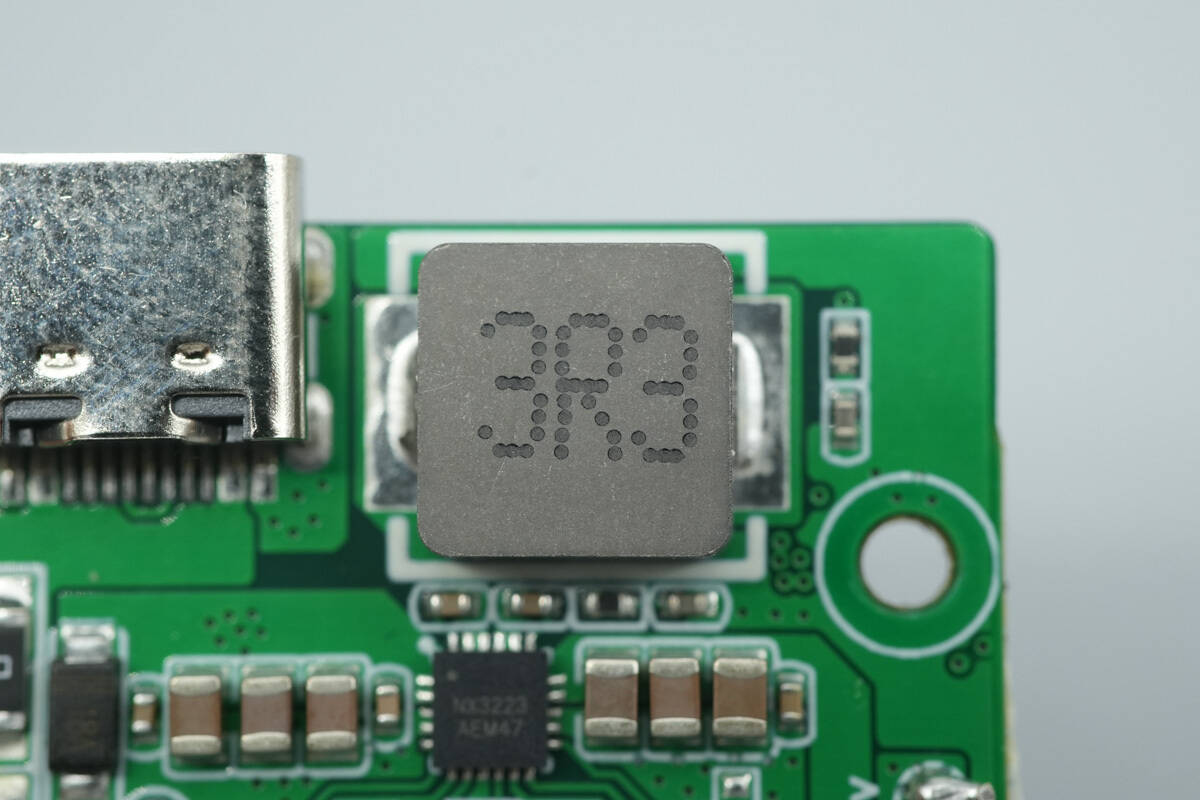
The 3.3μH alloy inductor is used for the buck-boost voltage conversion.
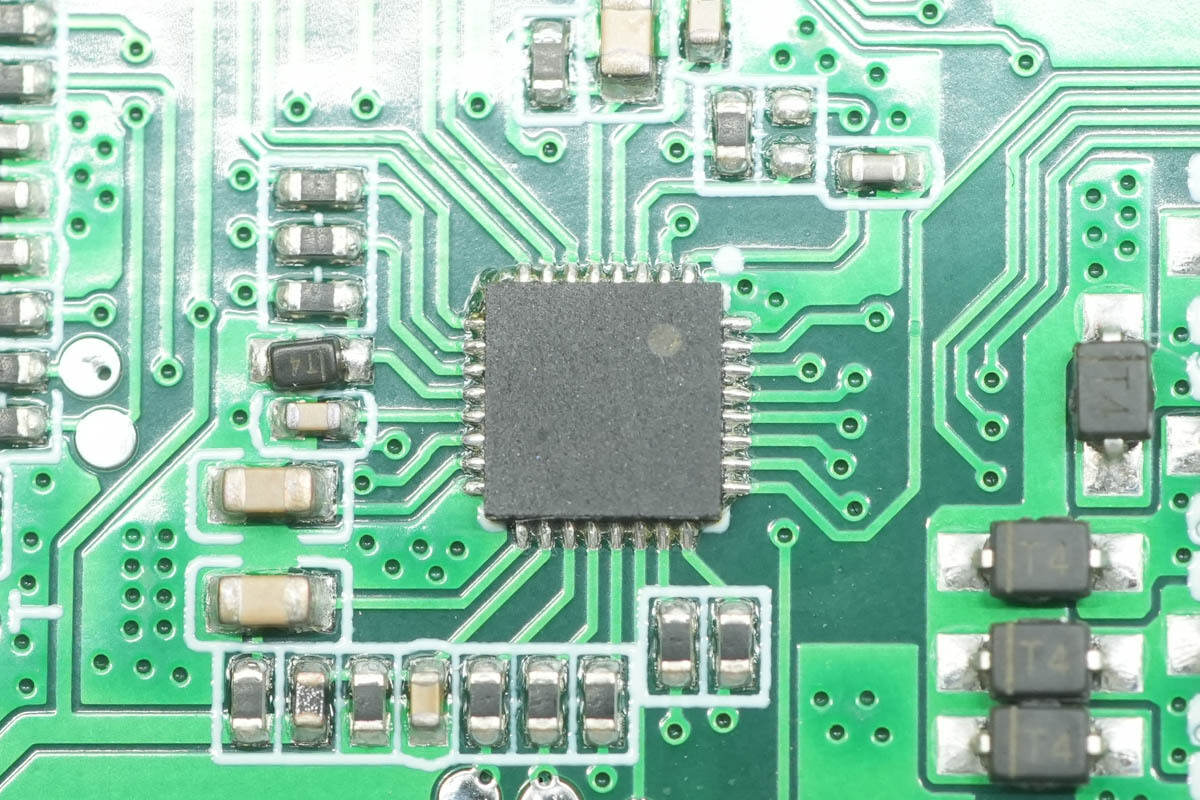
The earphone wireless charging master controller is from LHX, model LHX122, and it uses a QFN-32 package.
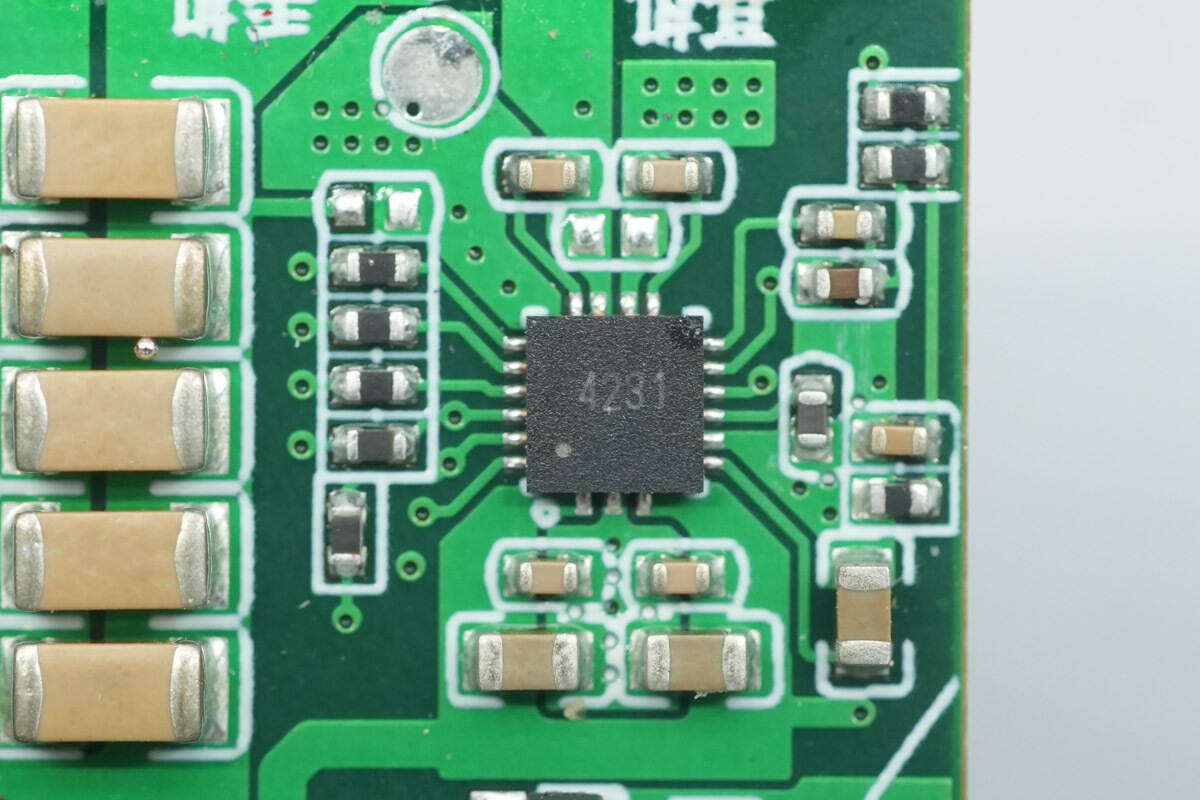
The integrated power stage for wireless charging is from SCT, marked with 4231, model SCT64231, and it uses a QFN-19 package.
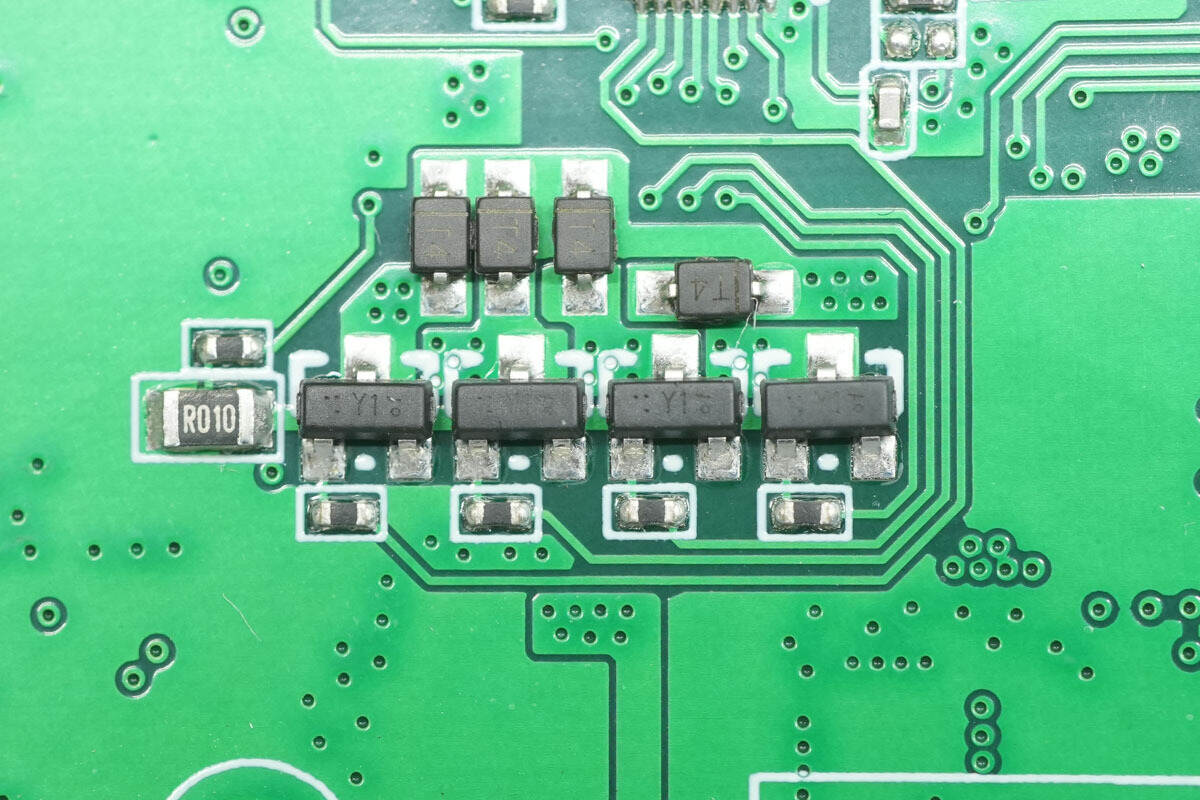
Four SS8050 transistors are used for stepper motor drive control, and they are packaged in SOT23.
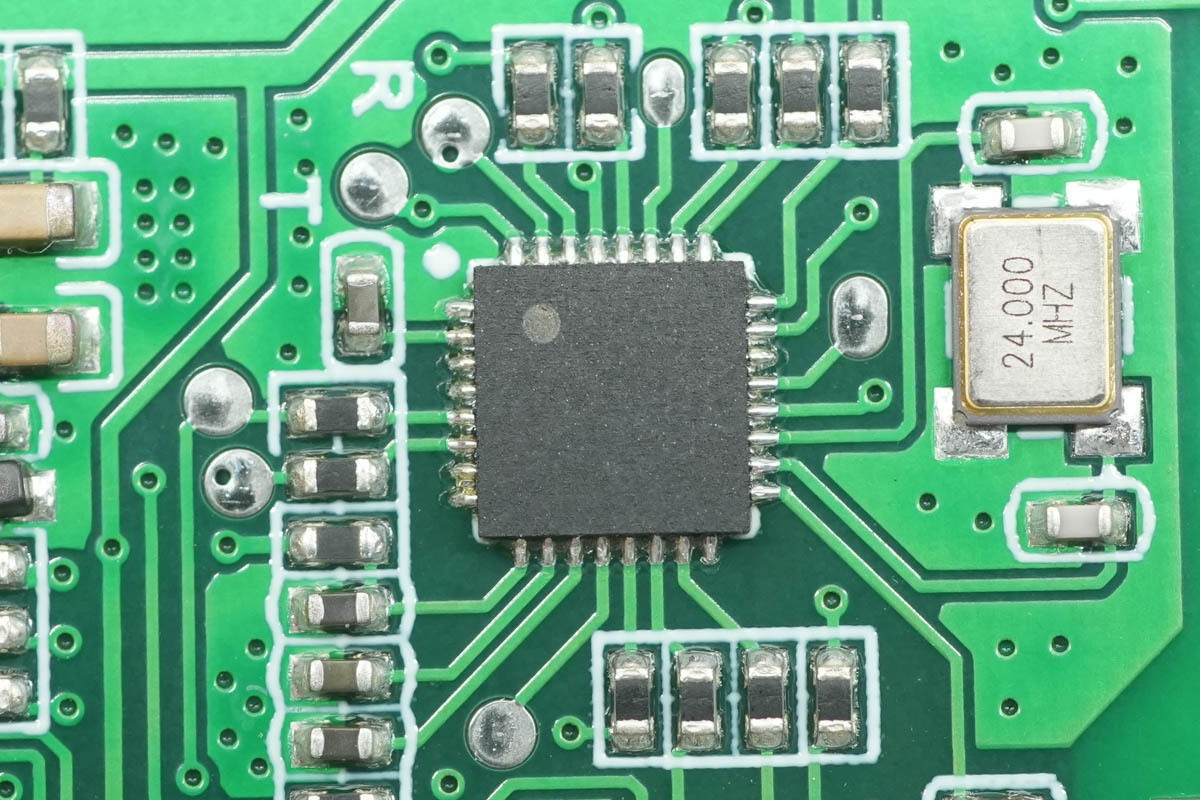
The Bluetooth MCU is from LHX, model LHX6502, and it uses a QFN-32 package.
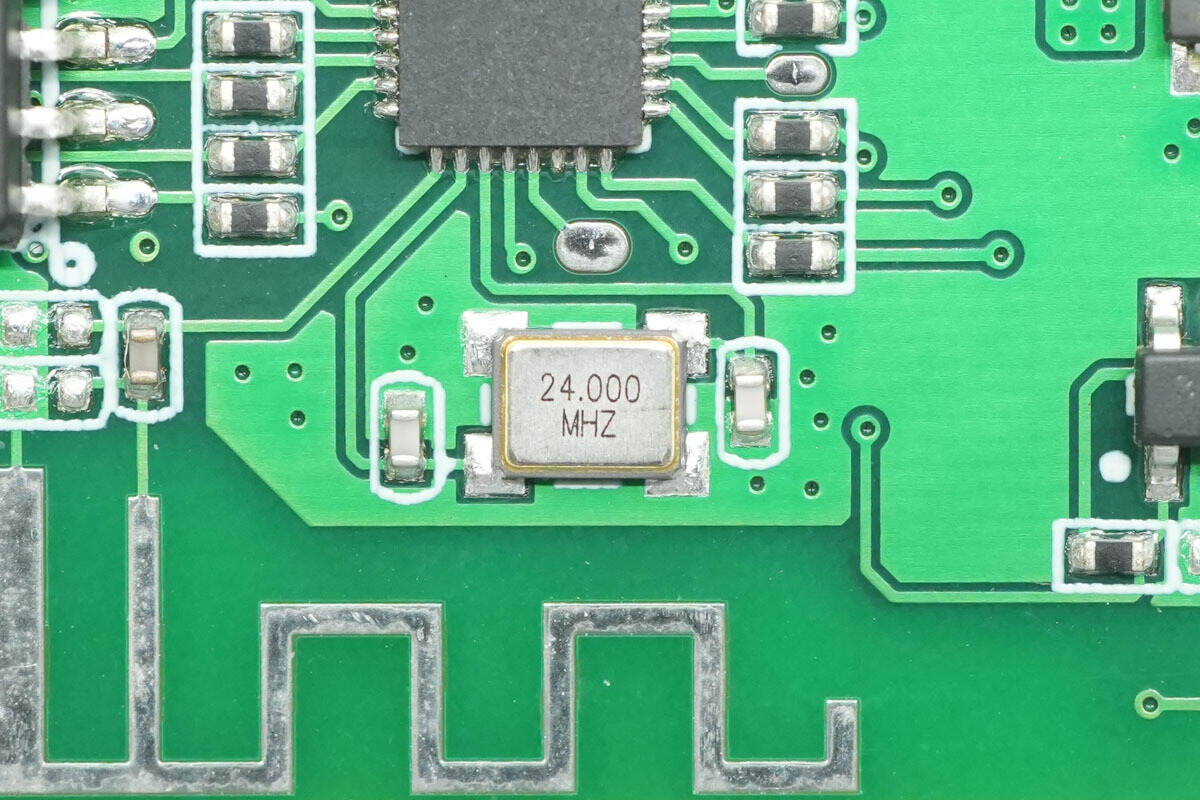
A close-up of the 24.000MHz crystal oscillator.
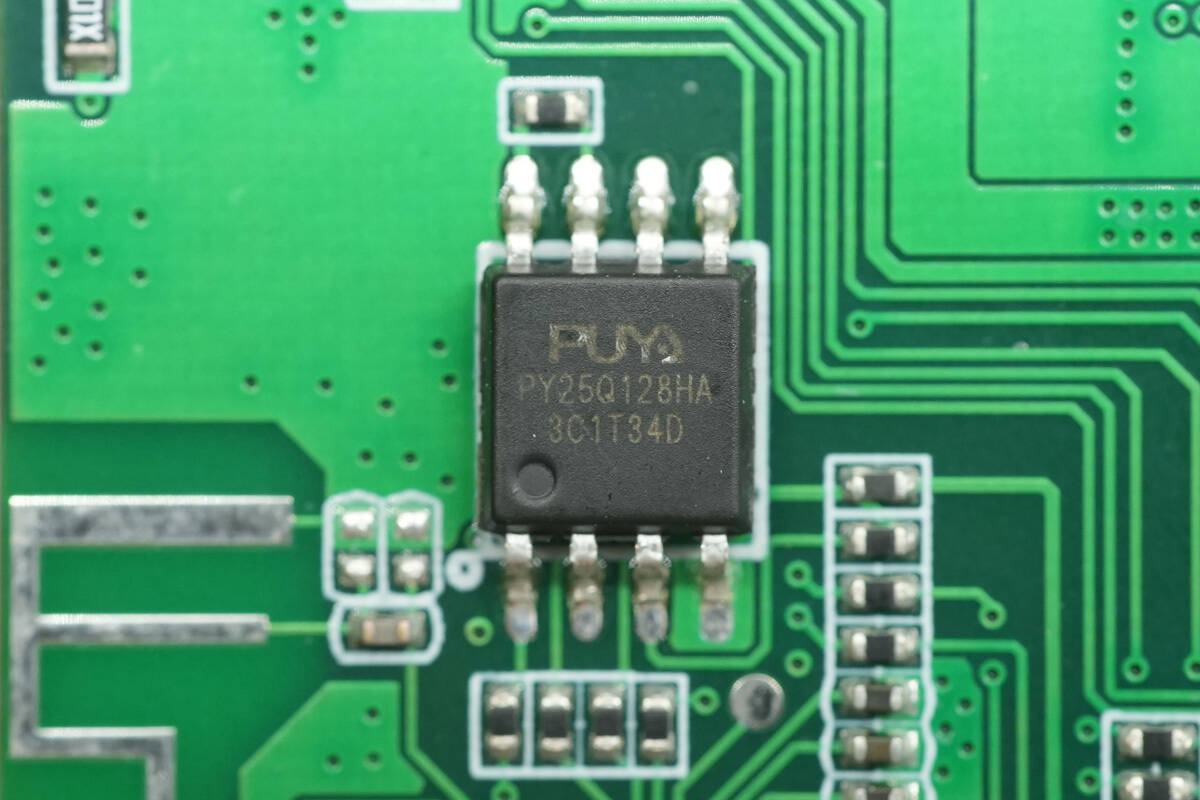
The memory is from Puya, model PY25Q128HA, with a capacity of 16MB. It supports a working voltage of 2.7-3.6V and comes in an 8-pin SOP package.
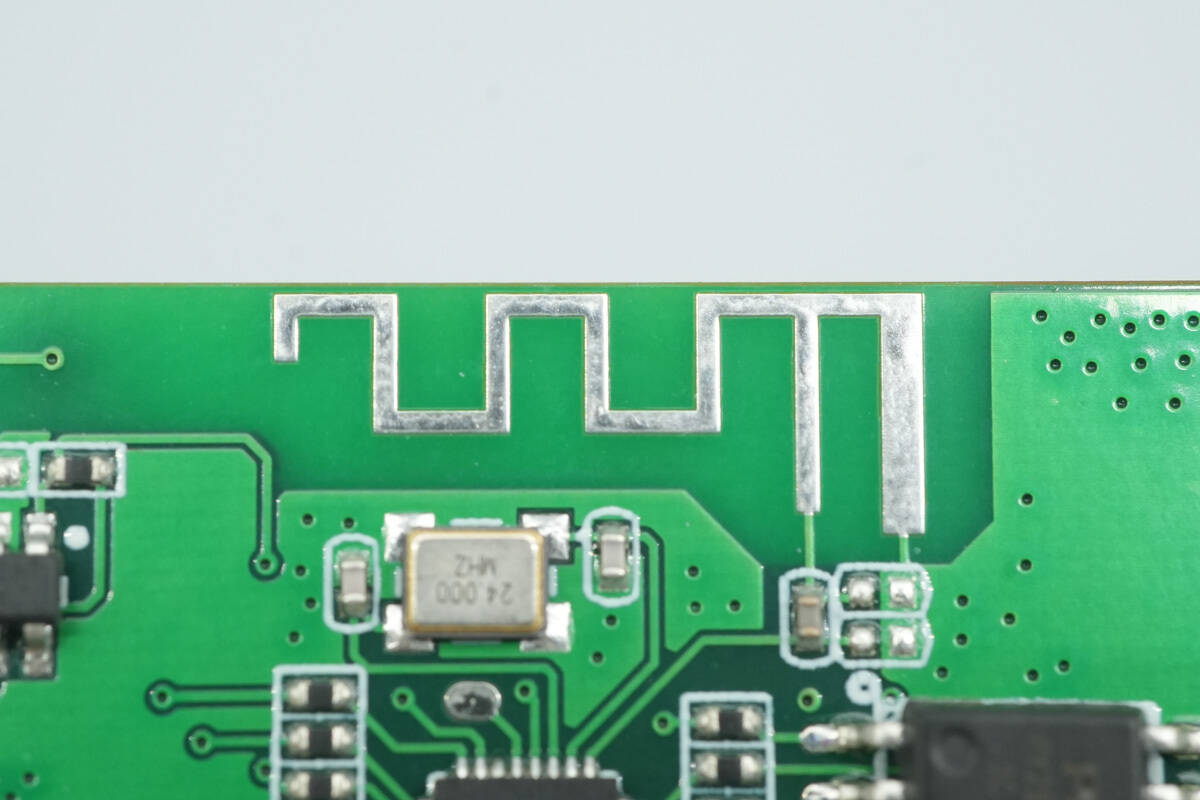
A close-up of the printed Bluetooth antenna.
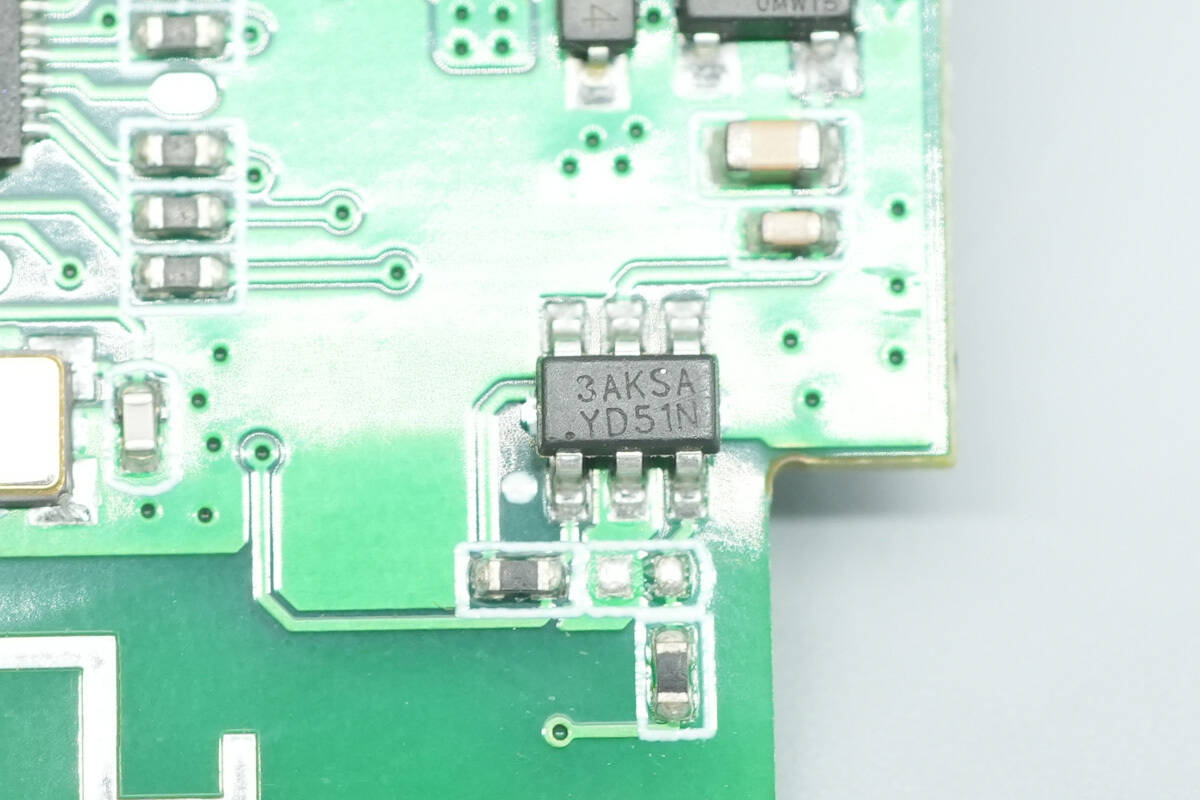
The touch detection chip is marked with 3AKSA and uses an SOT23 package.
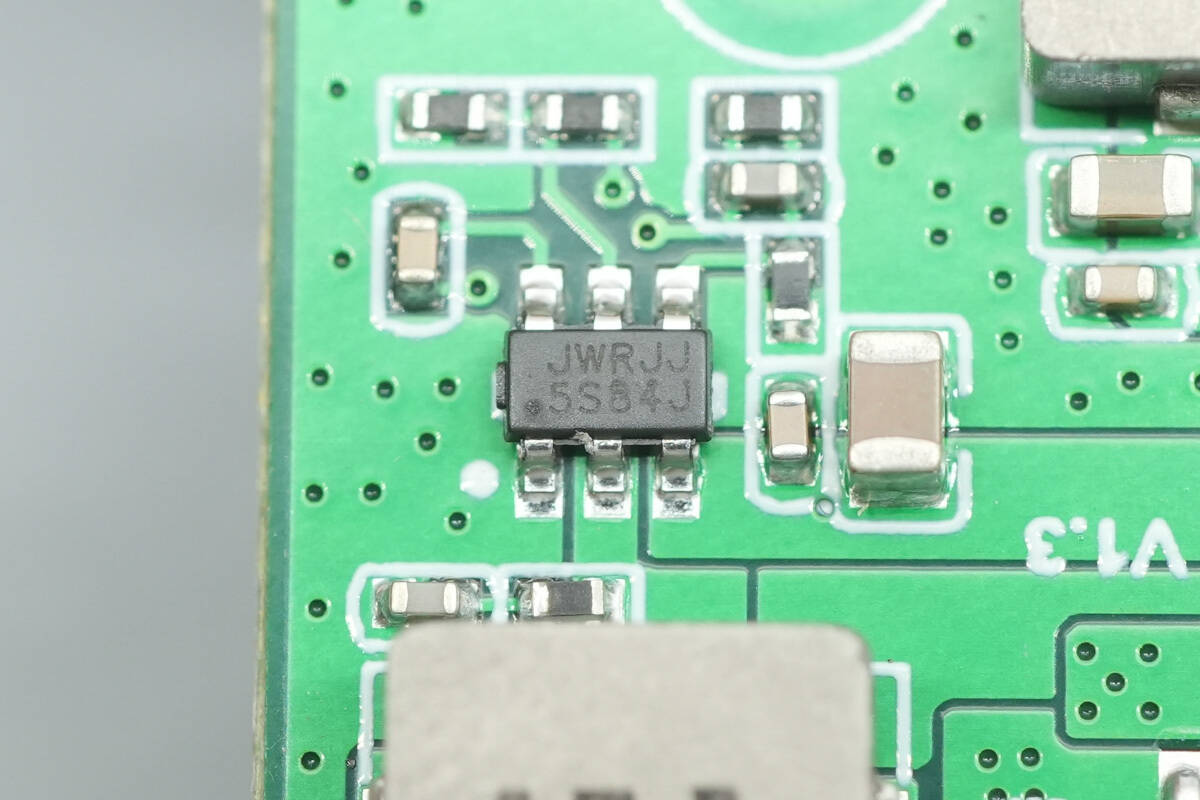
The synchronous buck chip is from JOULWATT, marked with JWRJ, model JW5372. It supports an 18V input voltage and an output current of 4A. The chip integrates a switch MOSFET, with a switching frequency of 600KHz. It features built-in soft start, undervoltage lockout, output short-circuit protection, and overtemperature protection. The chip is packaged in an SOT23-6 package.
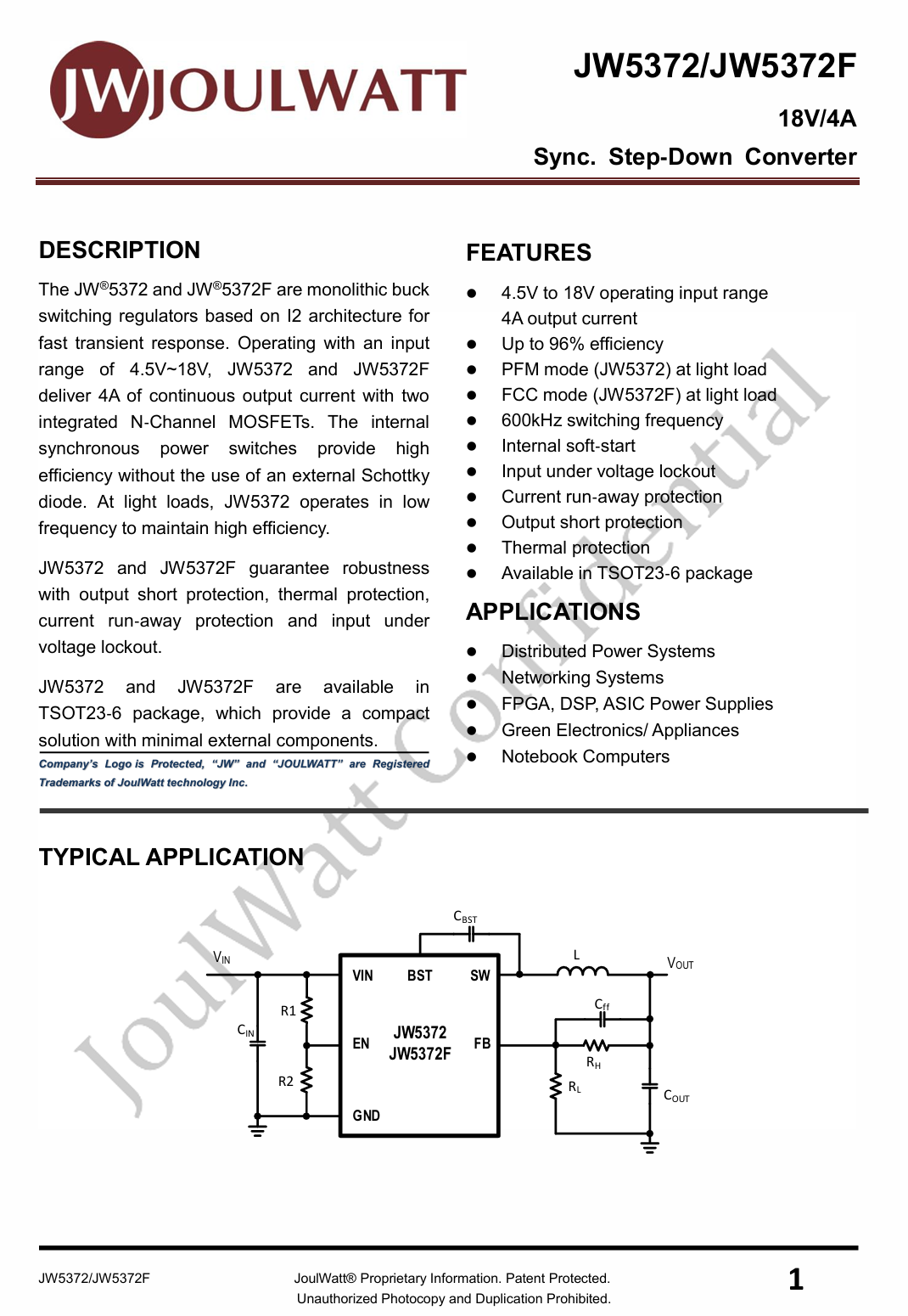
Here is the information about JOULWATT JW5372.
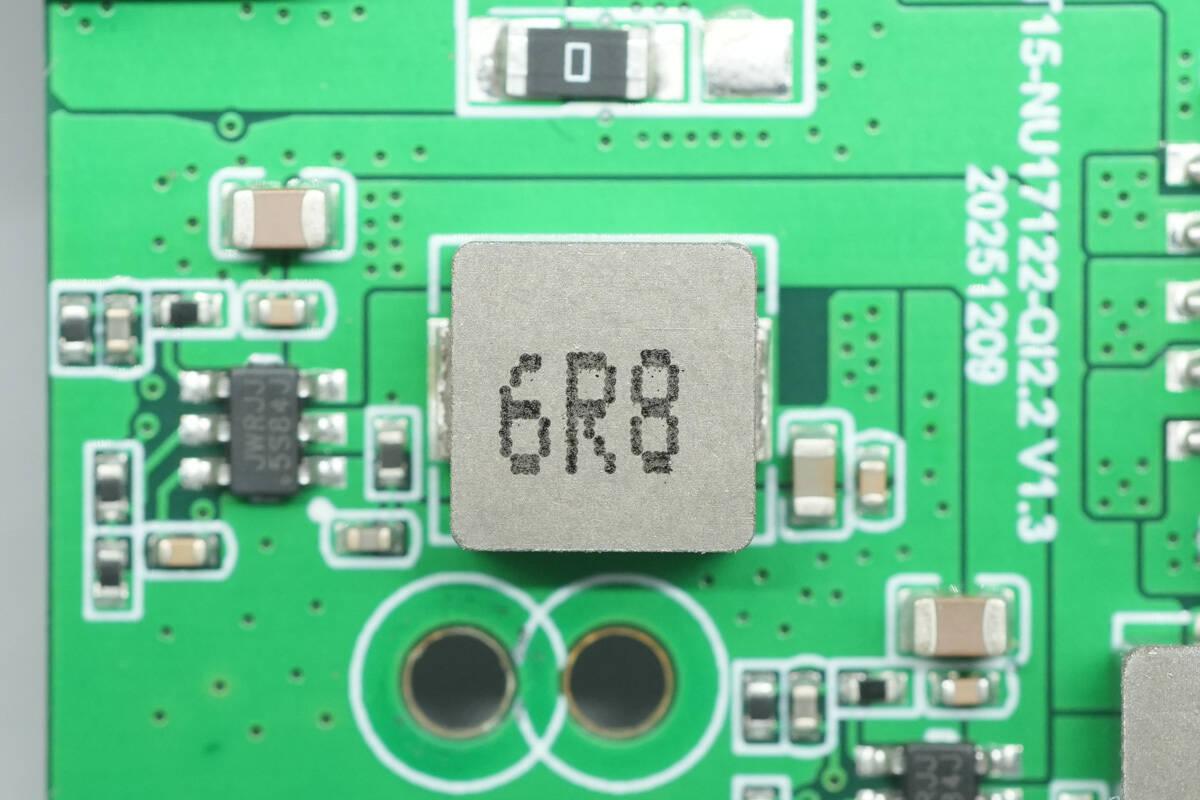
A close-up of the 6.8μH buck inductor.
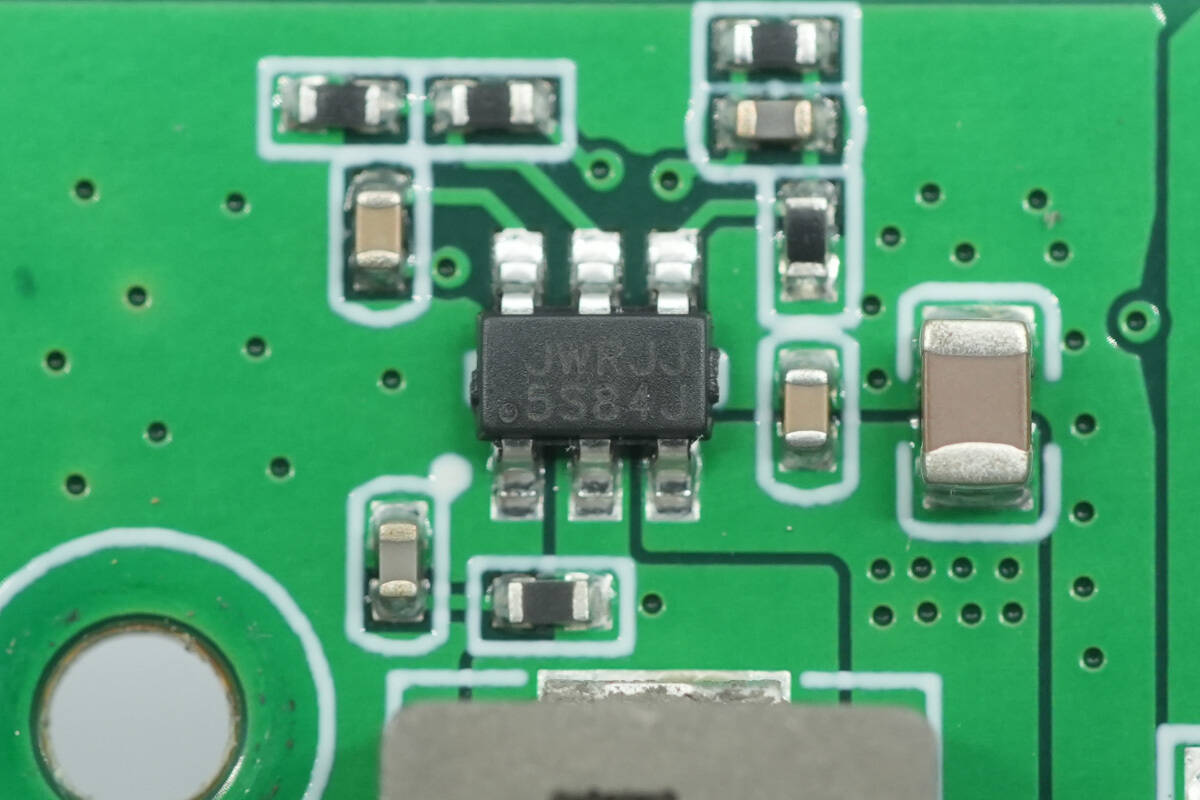
The other synchronous buck chip has the same model.
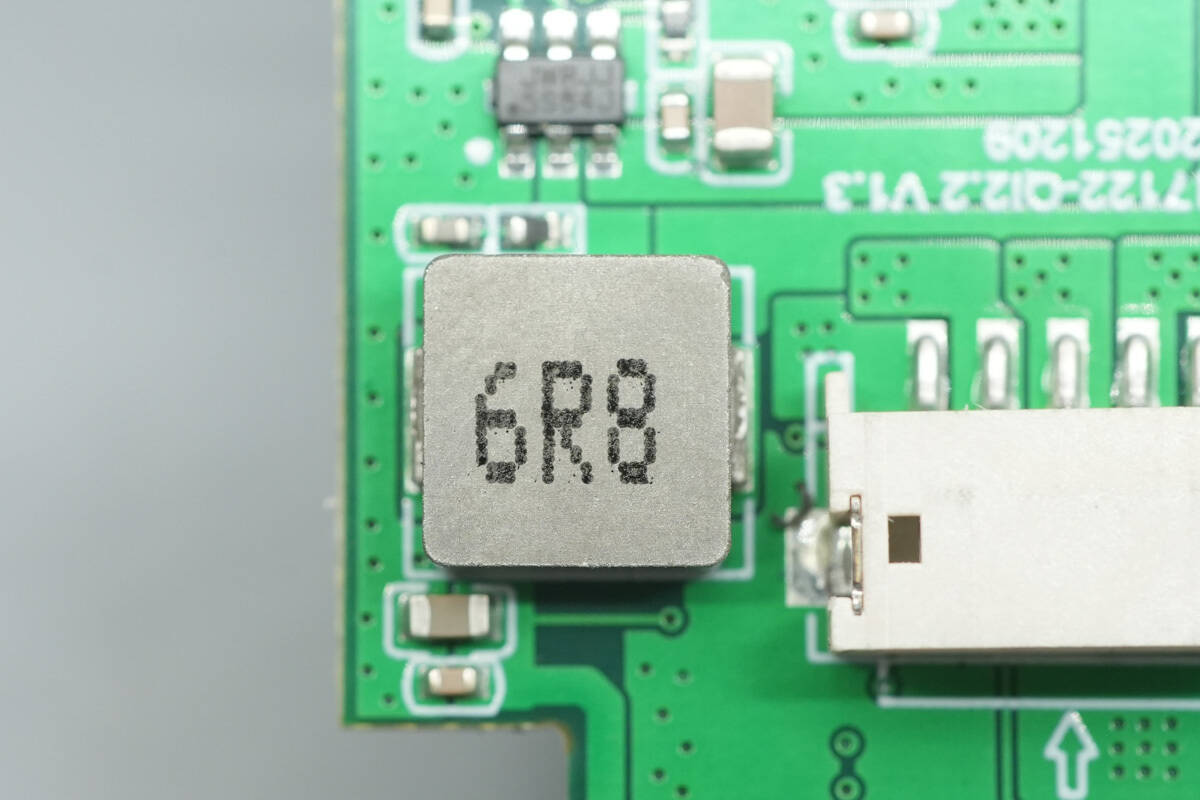
A close-up of the 6.8μH buck inductor.
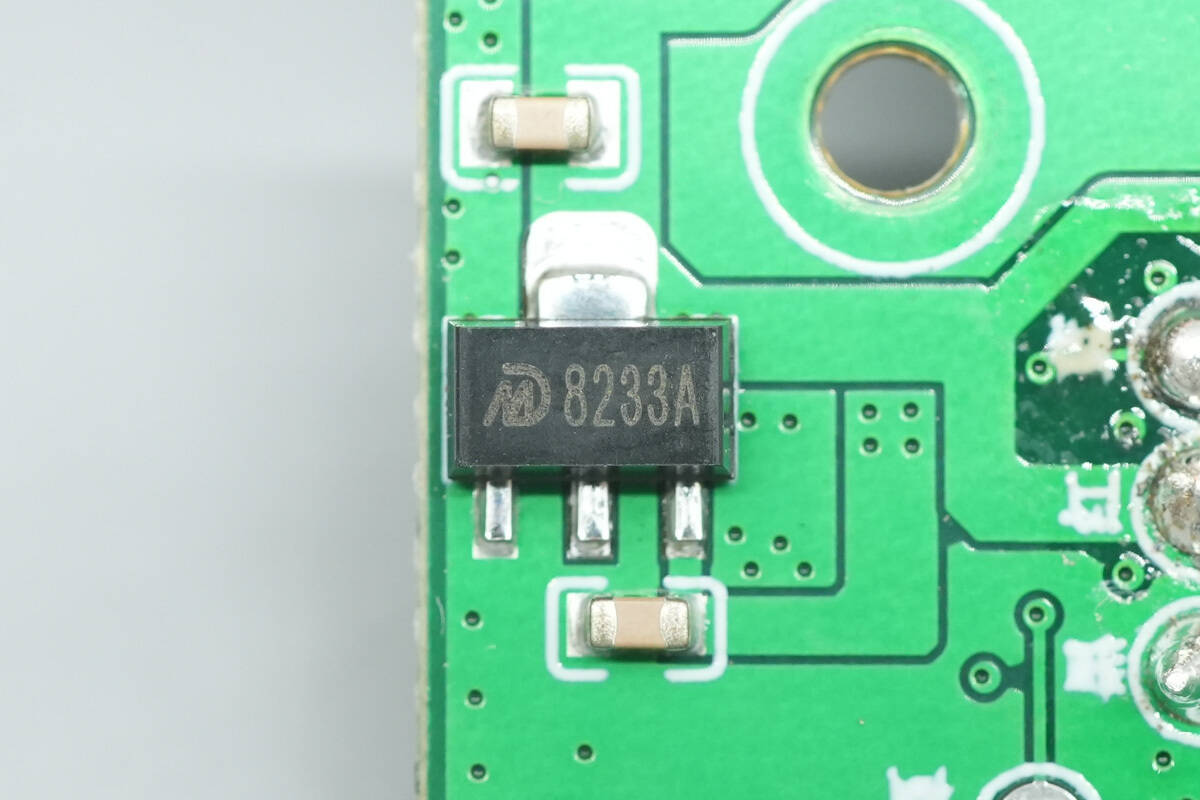
The linear voltage regulator chip is from MD, model MD8233A. It supports a 40V input voltage, provides a 3.3V output, and delivers an output current of 150mA. The chip is packaged in an SOT89 package.
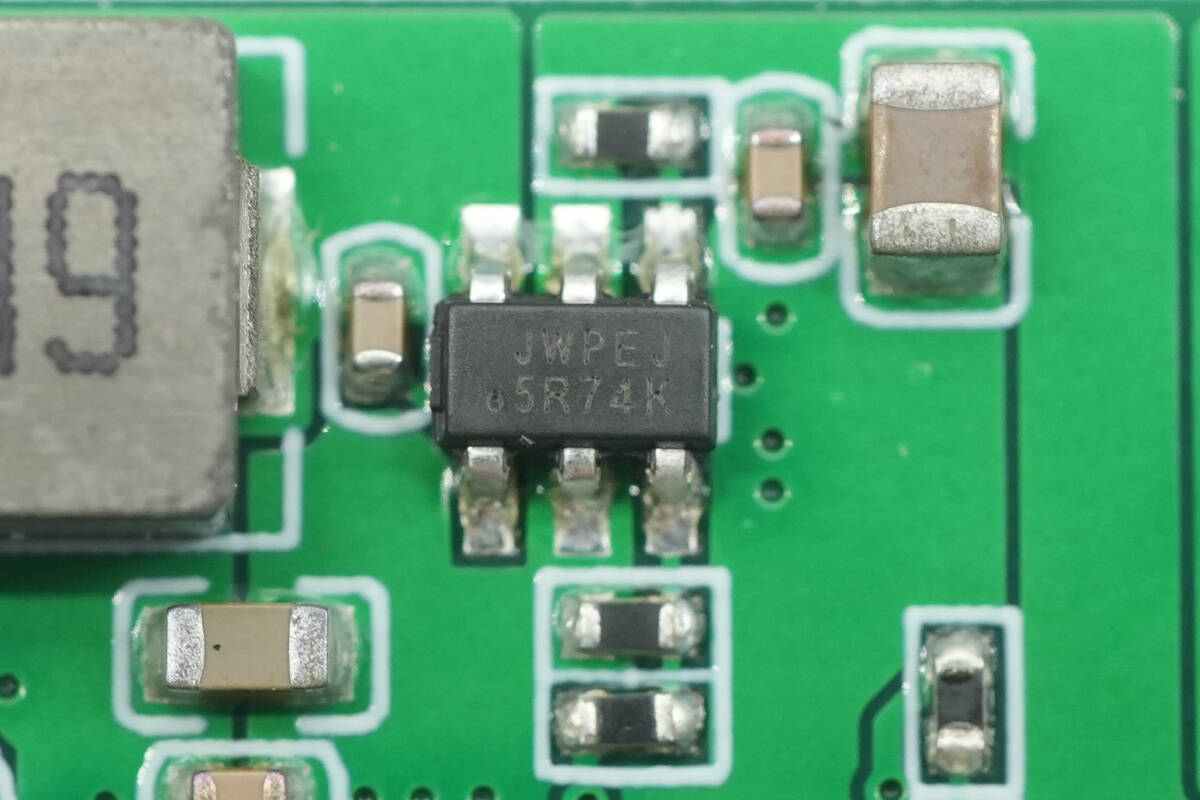
The synchronous buck chip is from JOULWATT, marked with JWPE, model JW5357M. It is a synchronous buck converter that supports an input voltage range of 4.5-18V and provides a 3A output current. The chip integrates a MOSFET with a switching frequency of 600kHz. It features built-in soft start and supports overcurrent protection, short-circuit protection, and overtemperature protection. The chip is packaged in an SOT23-6 package.
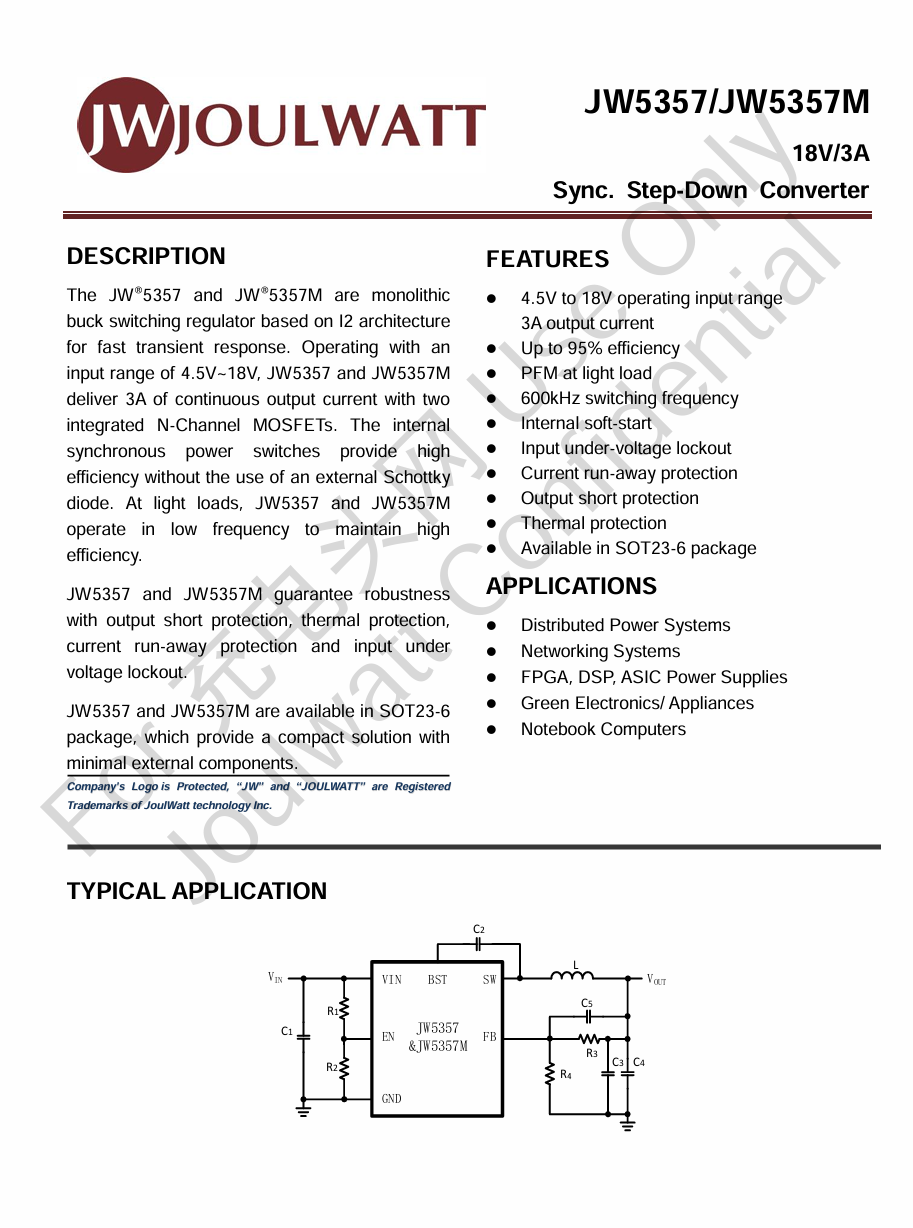
Here is the information about JOULWATT JW5357M.
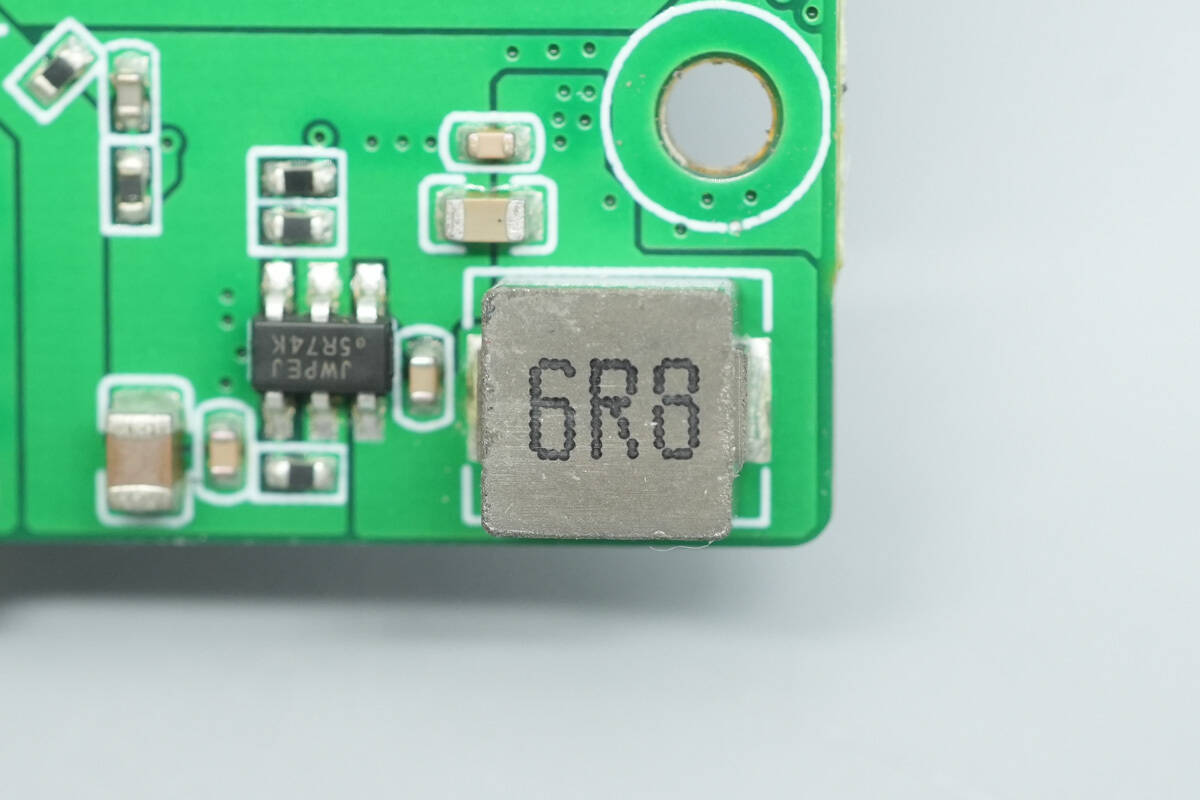
A close-up of the 6.8μH buck inductor.

The thermistor is used for internal temperature protection in the wireless charging system.
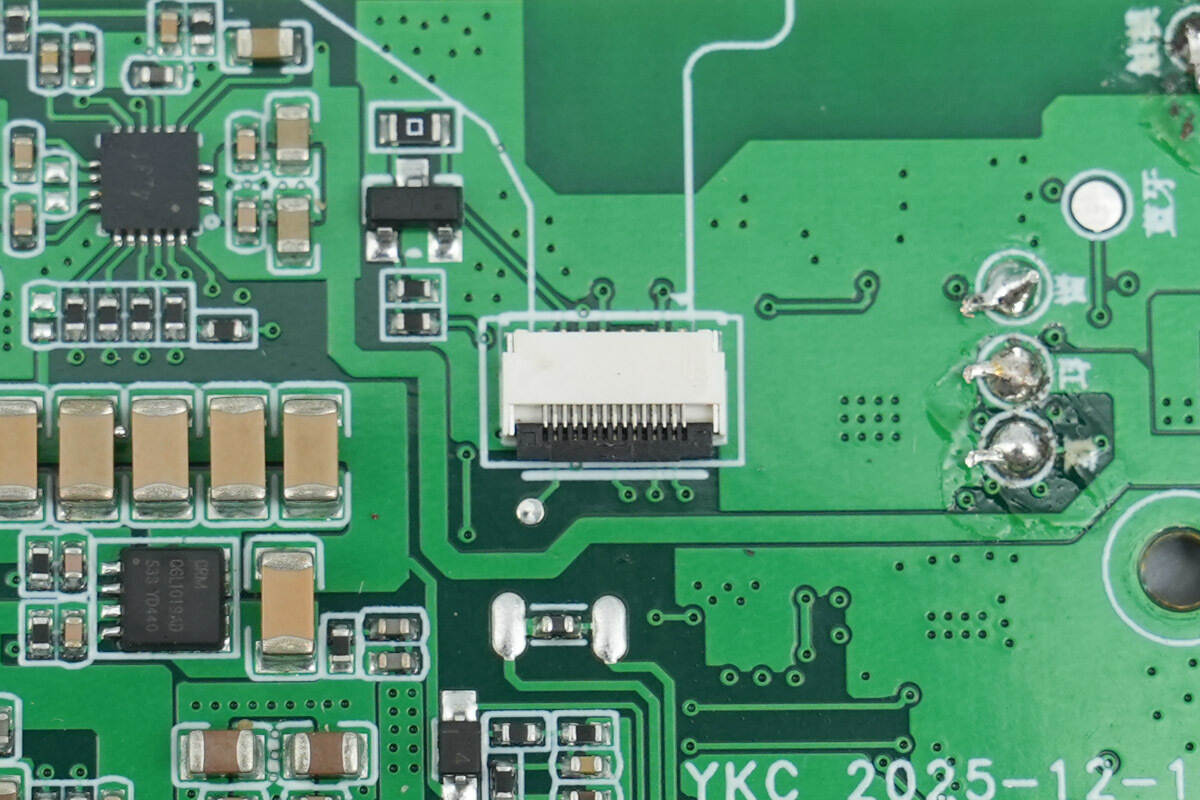
A close-up of the ribbon cable connector for the LCD screen.
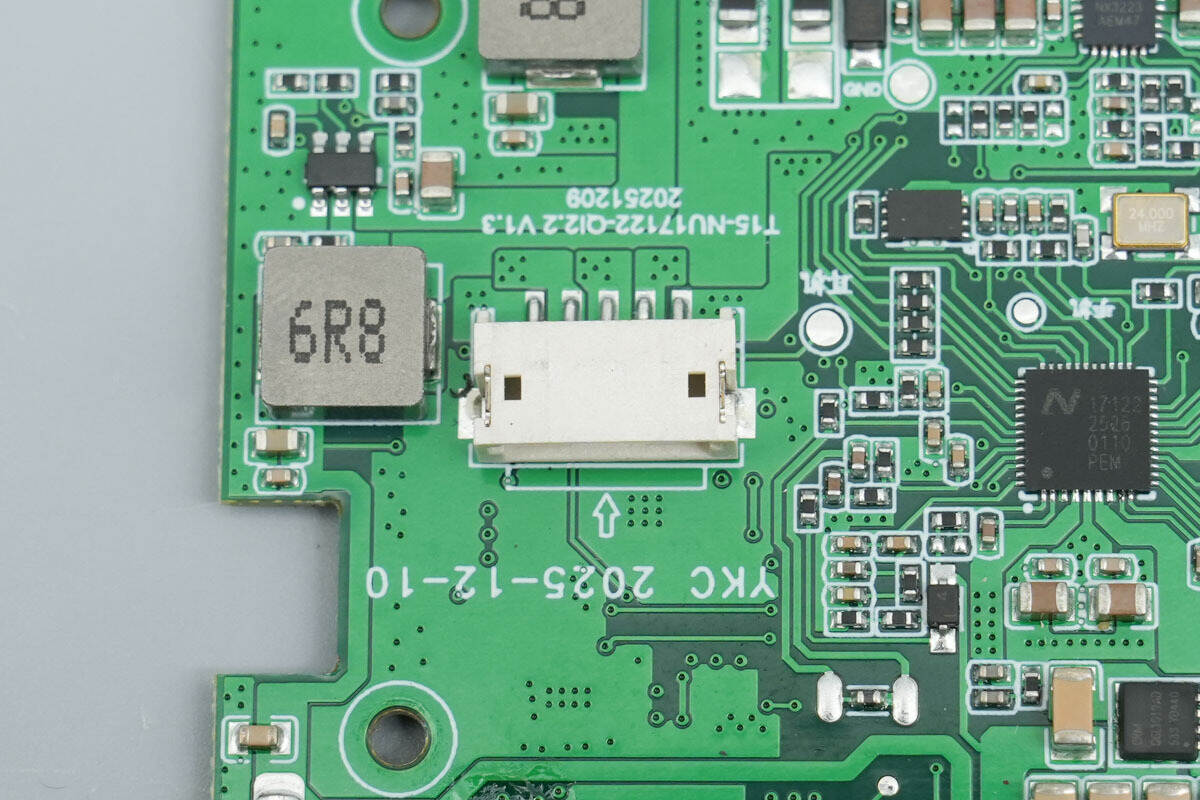
A close-up of the connector for the stepper motor.
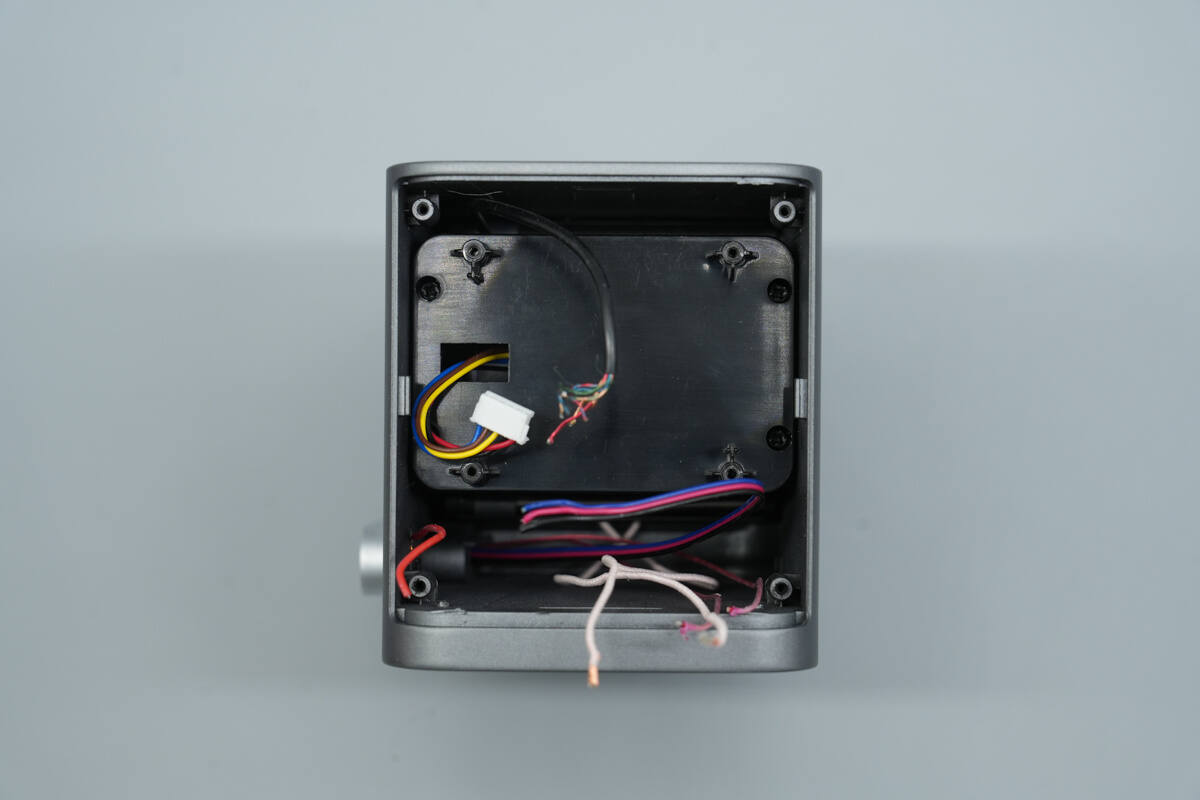
Inside the housing, there is the smartwatch wireless charging module and the corresponding transmission mechanism.

The smartwatch wireless charging module is secured via a slide rail.
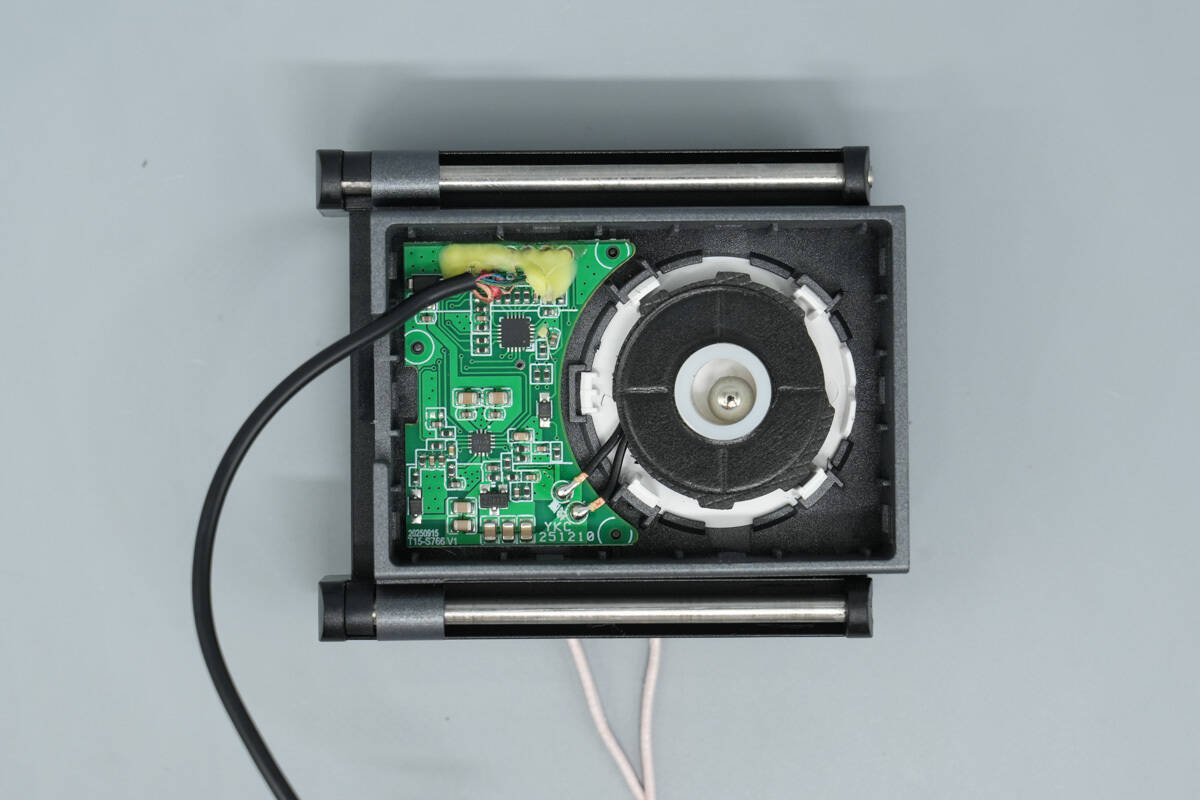
The smartwatch wireless charging module contains a PCBA module and a wireless charging coil inside.
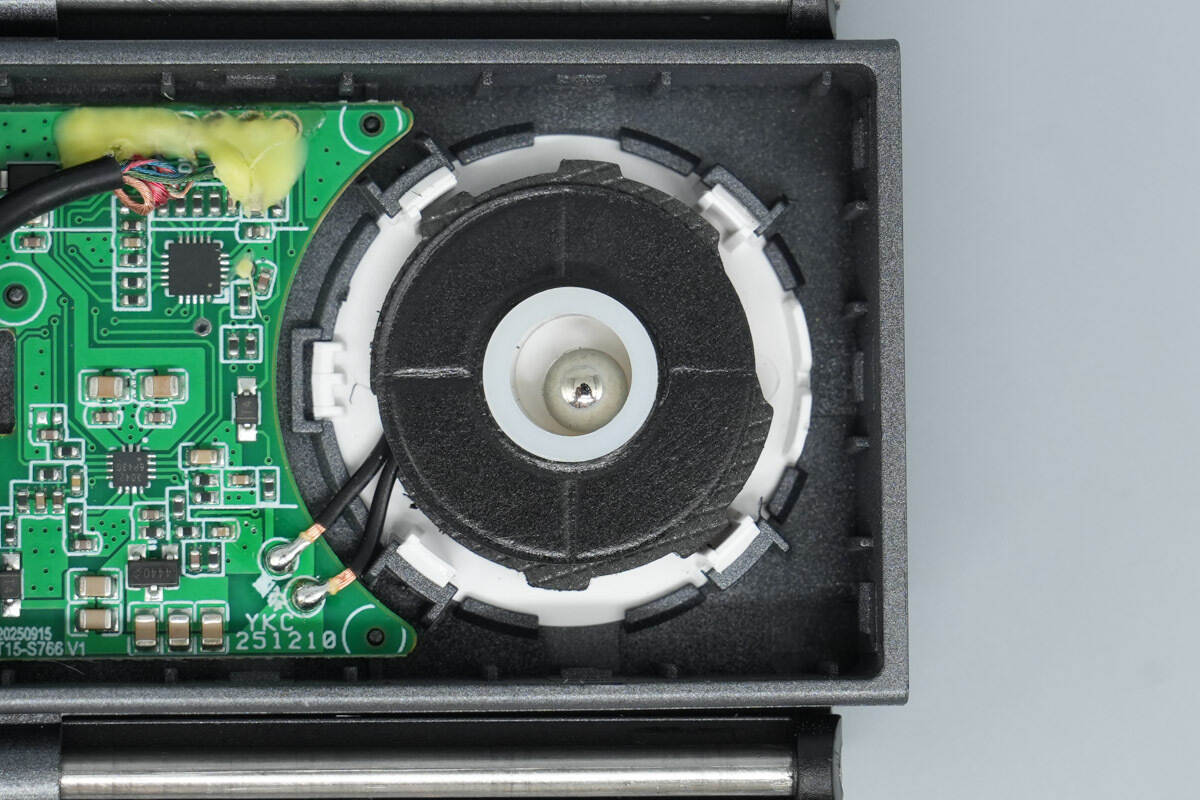
A magnet is placed in the center of the wireless charging coil.
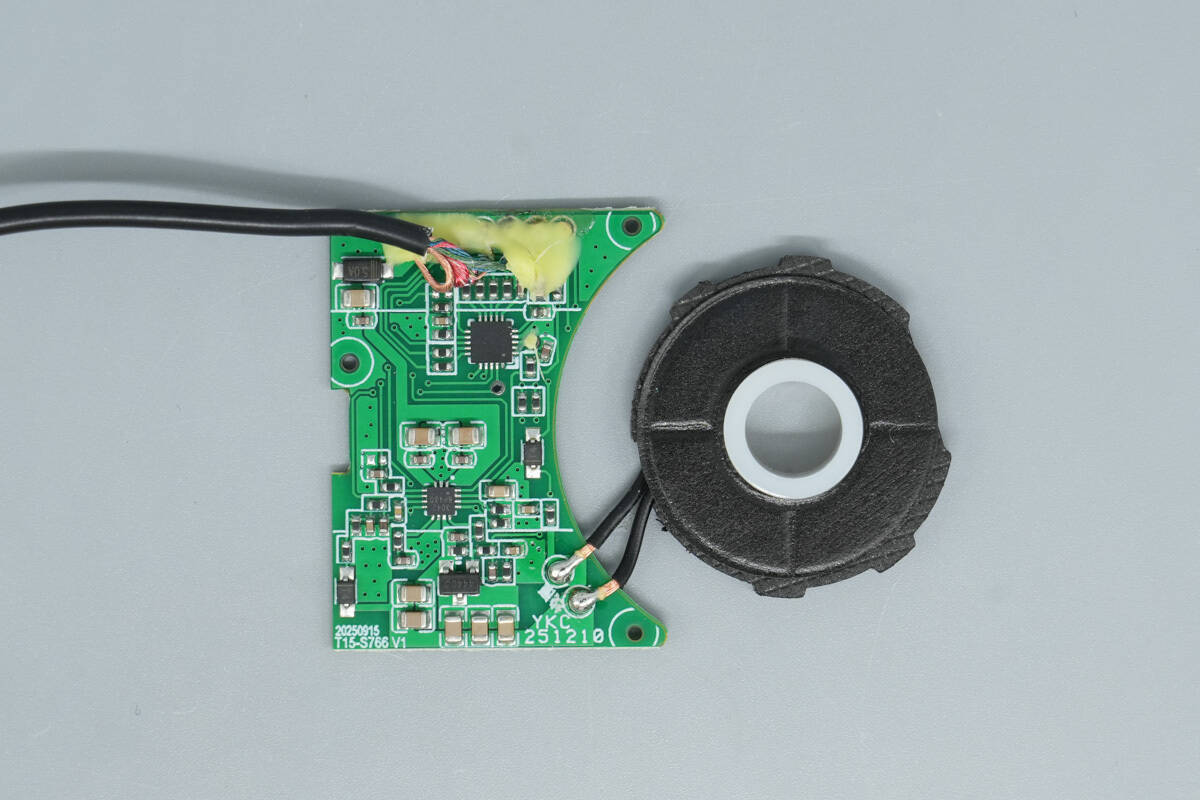
The coil is soldered to the PCBA module.
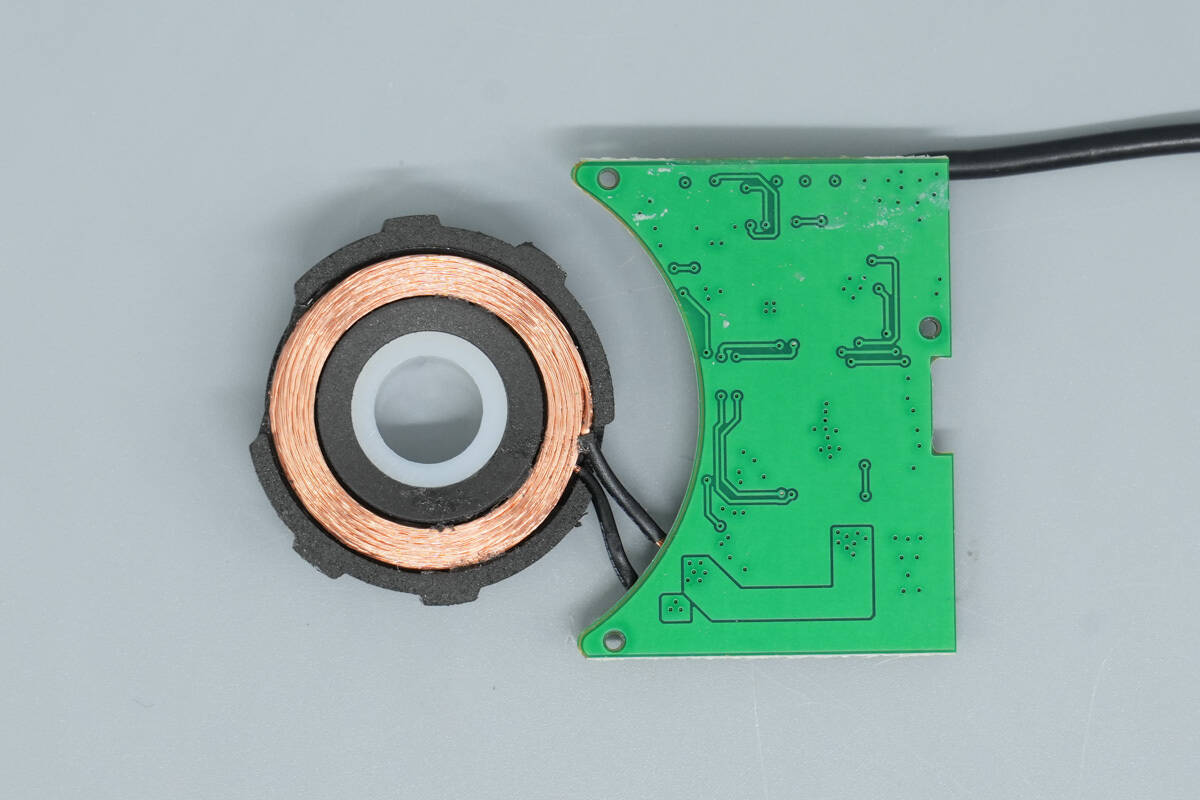
The back of the PCBA module has no components.
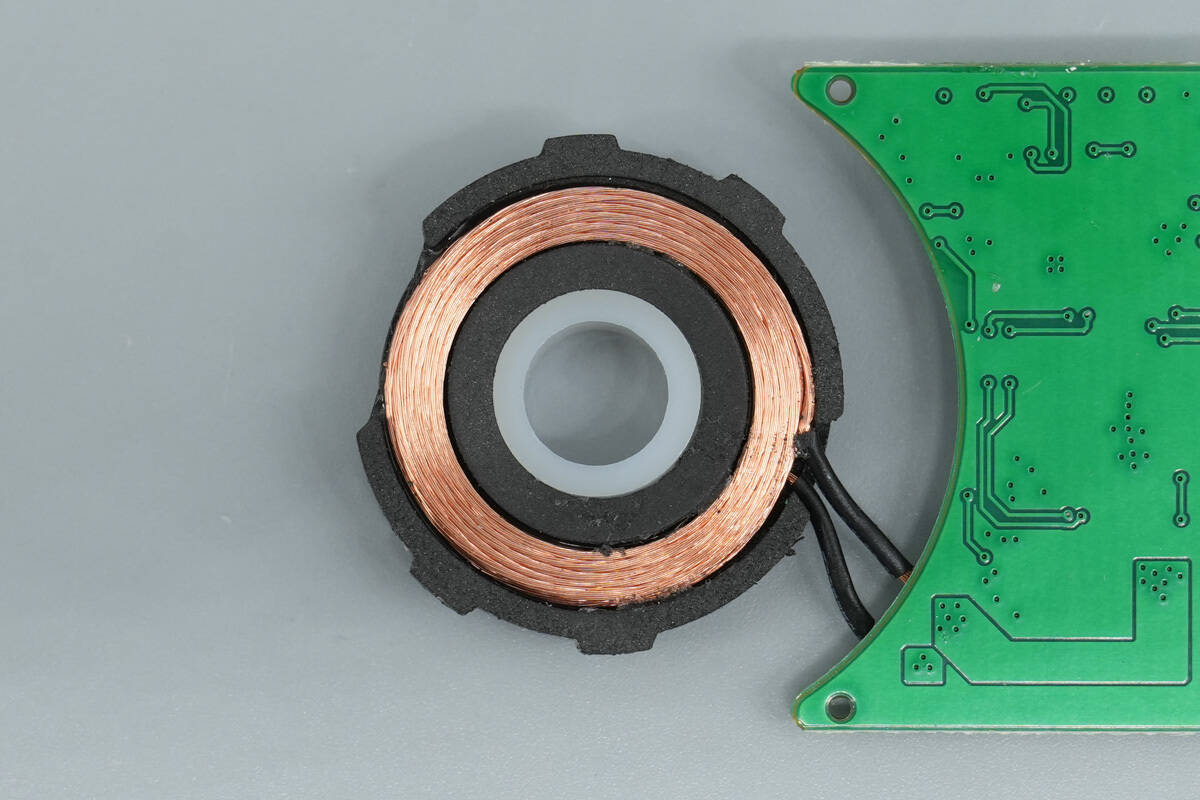
The coil is wound using litz wire.
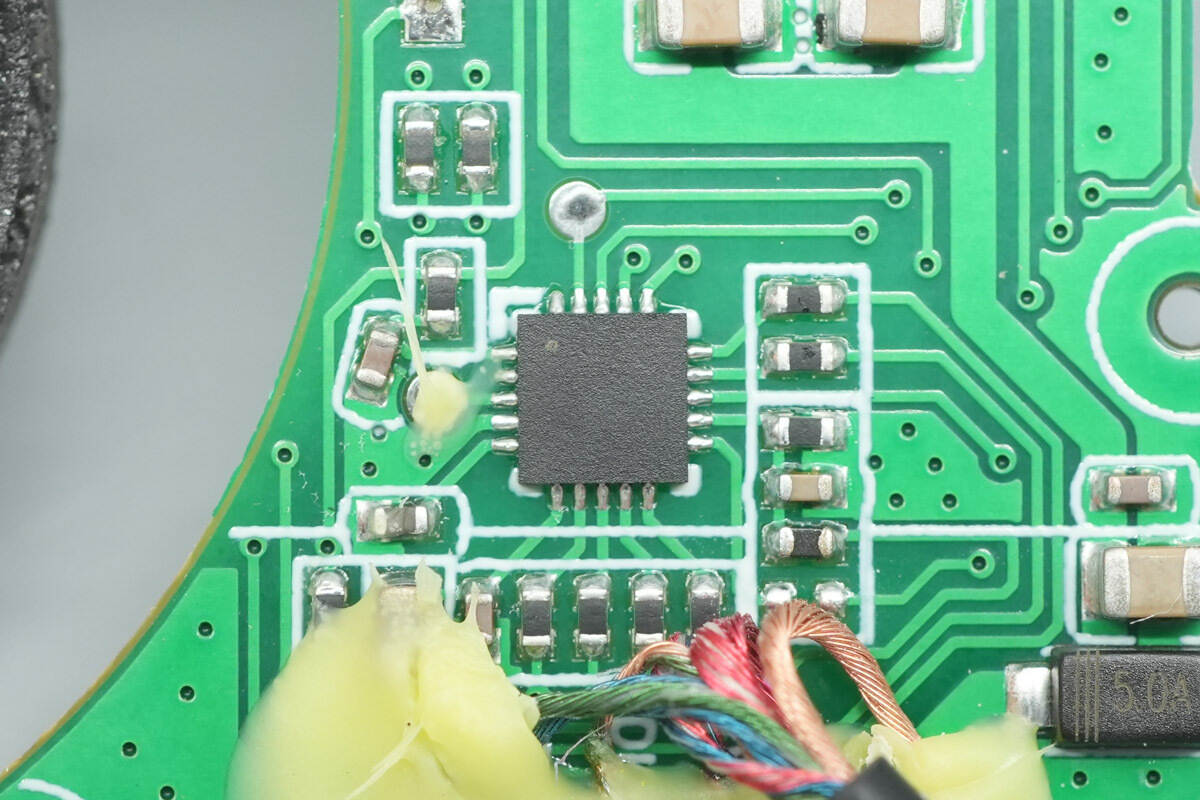
The smartwatch wireless charging master controller is from LHX, model LHXS766. It is compatible with both Apple and Samsung smartwatch wireless charging and uses a QFN-20 package.
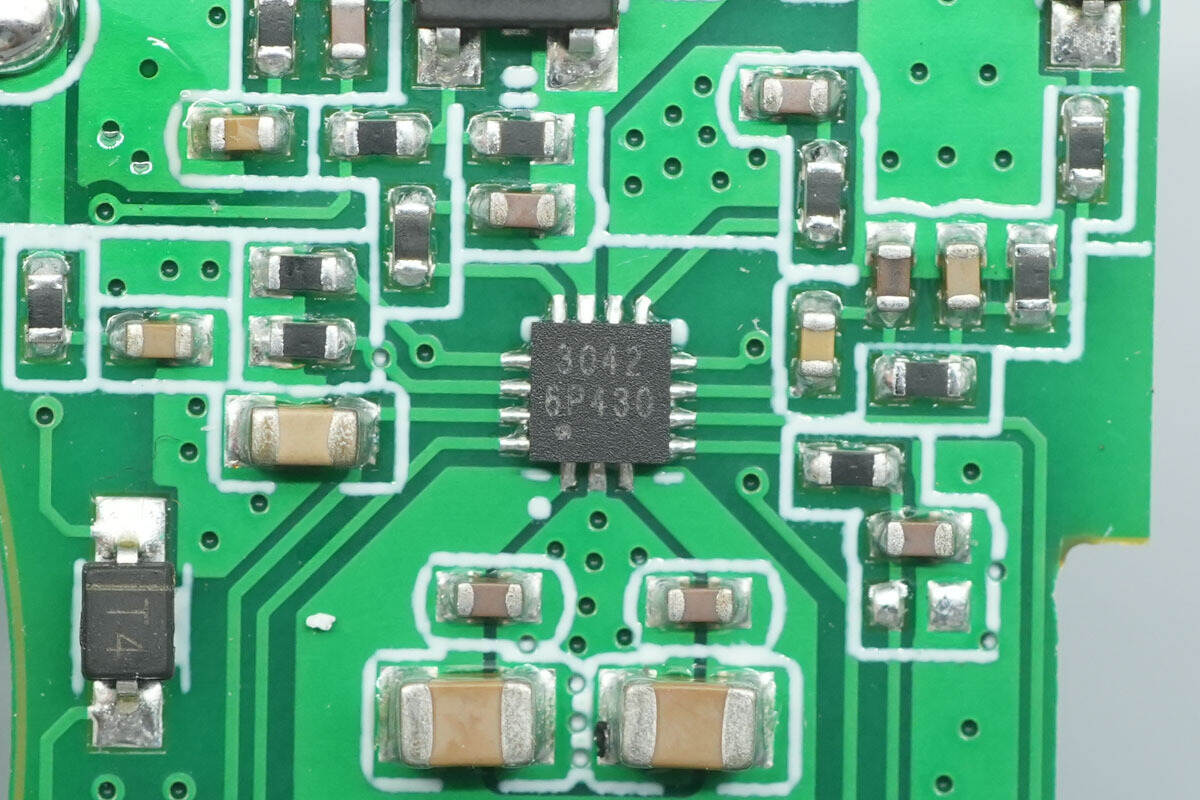
The wireless charging power stage chip is from SCT, marked with 3042, model SCT63042, and it uses a QFN-15 package.
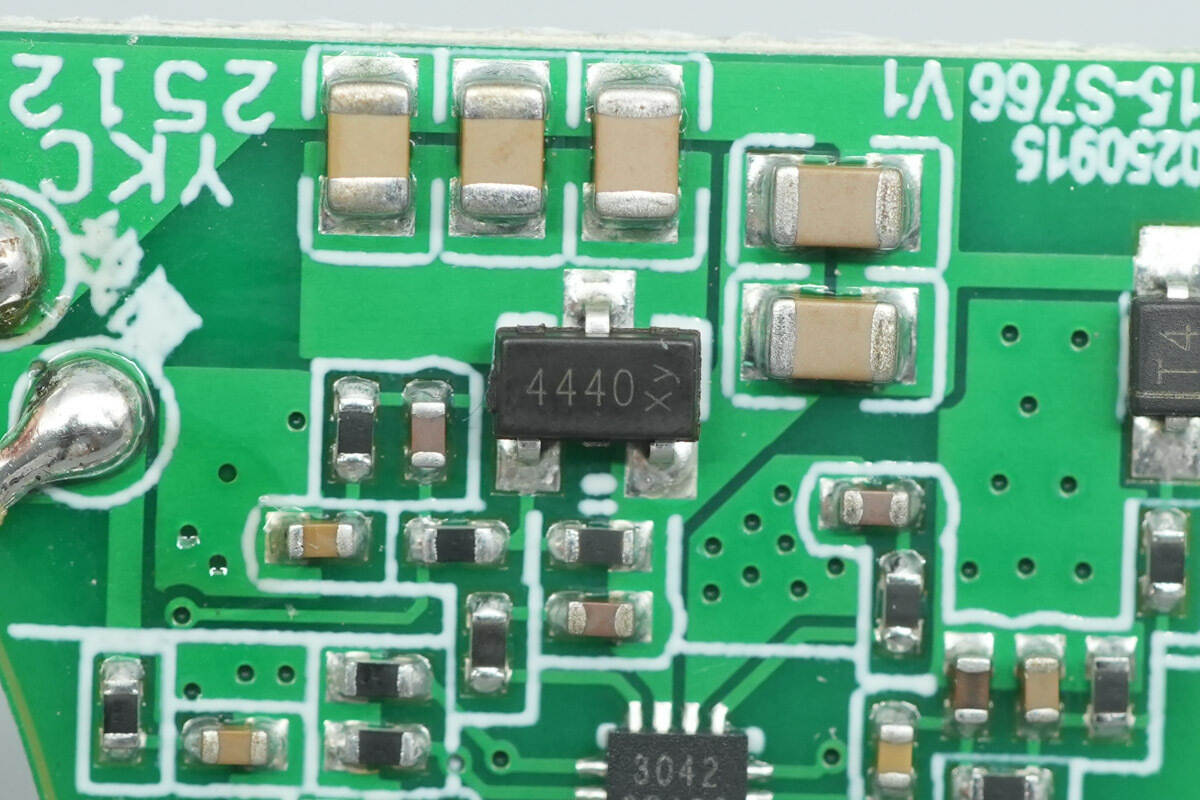
The MOSFET used for switching the resonant capacitor is marked with 4440 and comes in an SOT23 package.
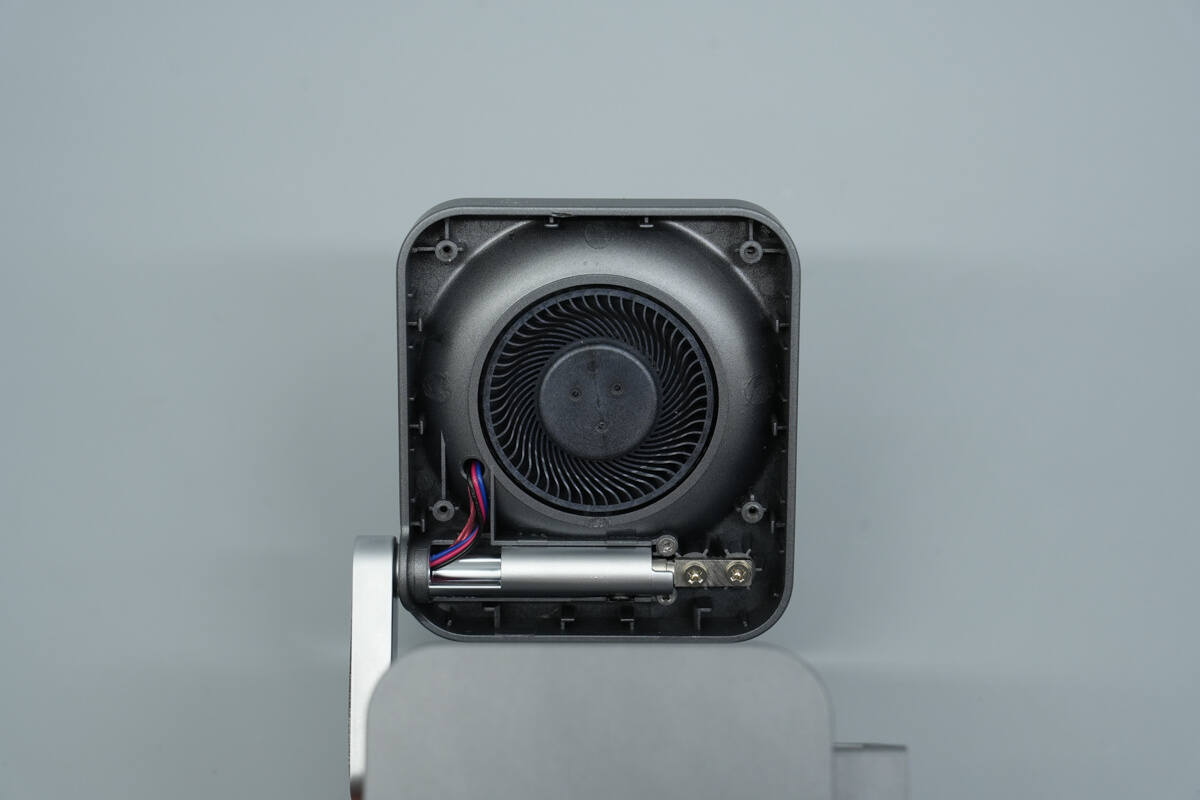
After removing the back cover of the magnetic wireless charging module, a cooling fan is located inside.
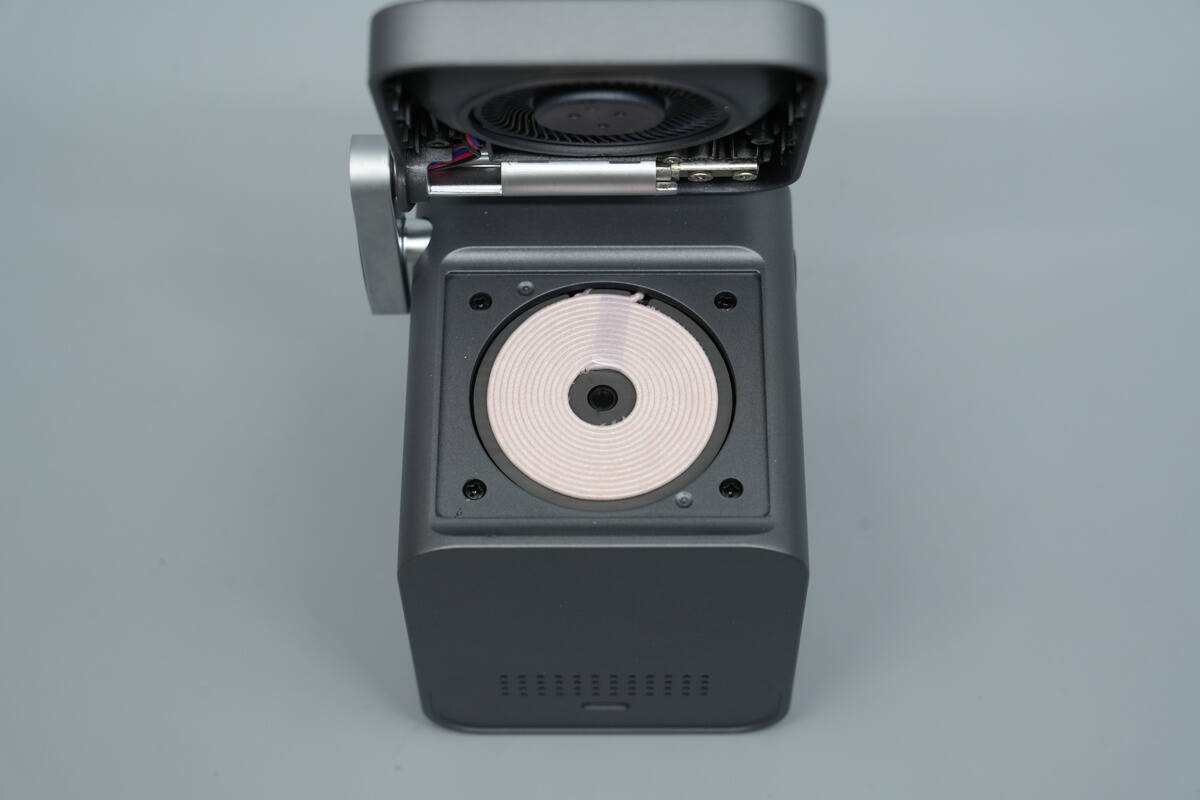
Peel off the soft pad on the wireless charging panel of the headphones to reveal the charging coil underneath.
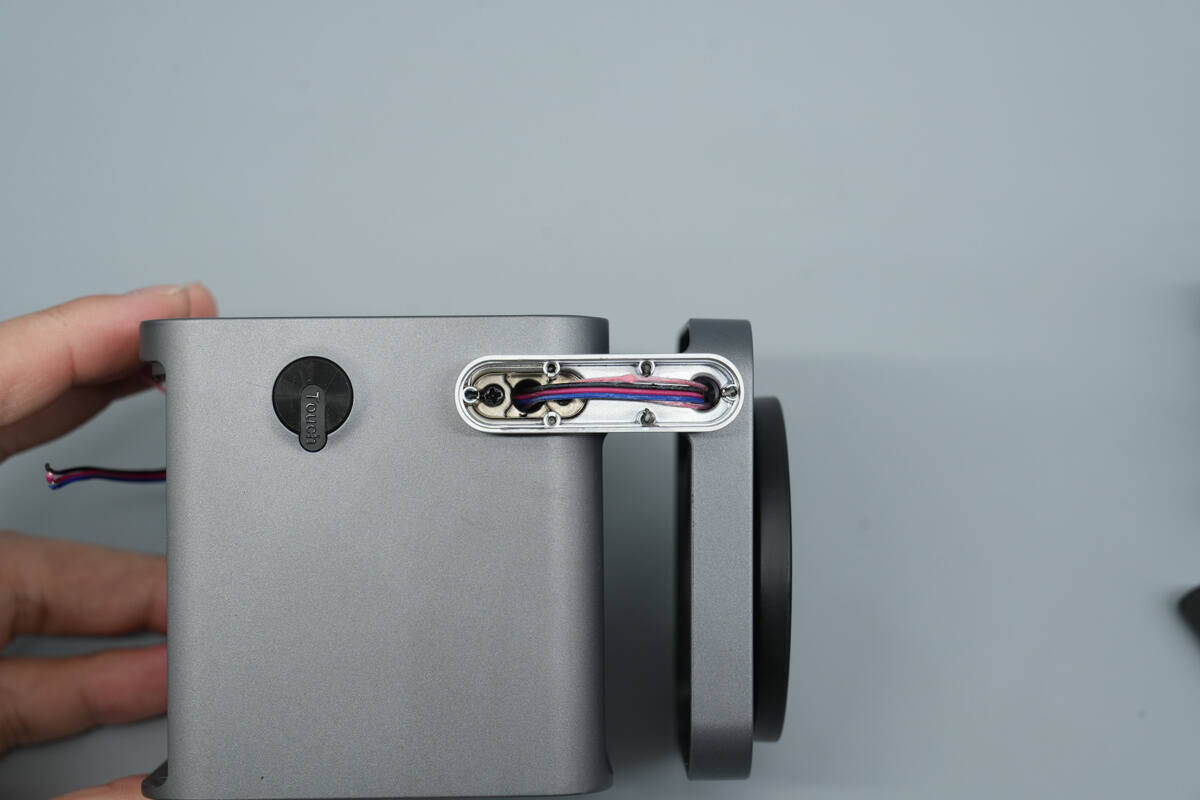
Inside the hinge, there are wires connecting the fan and the charging coil.
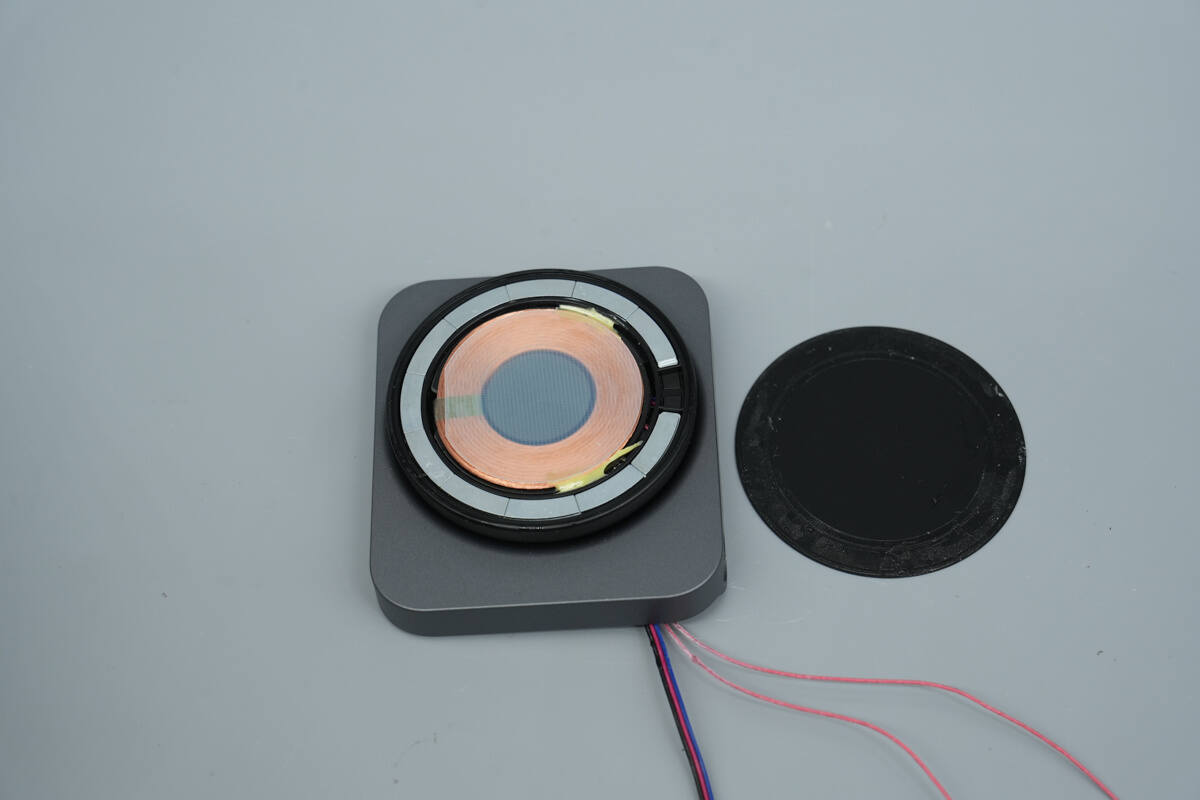
Remove the plastic cover that is magnetically attached to the wireless charging surface.
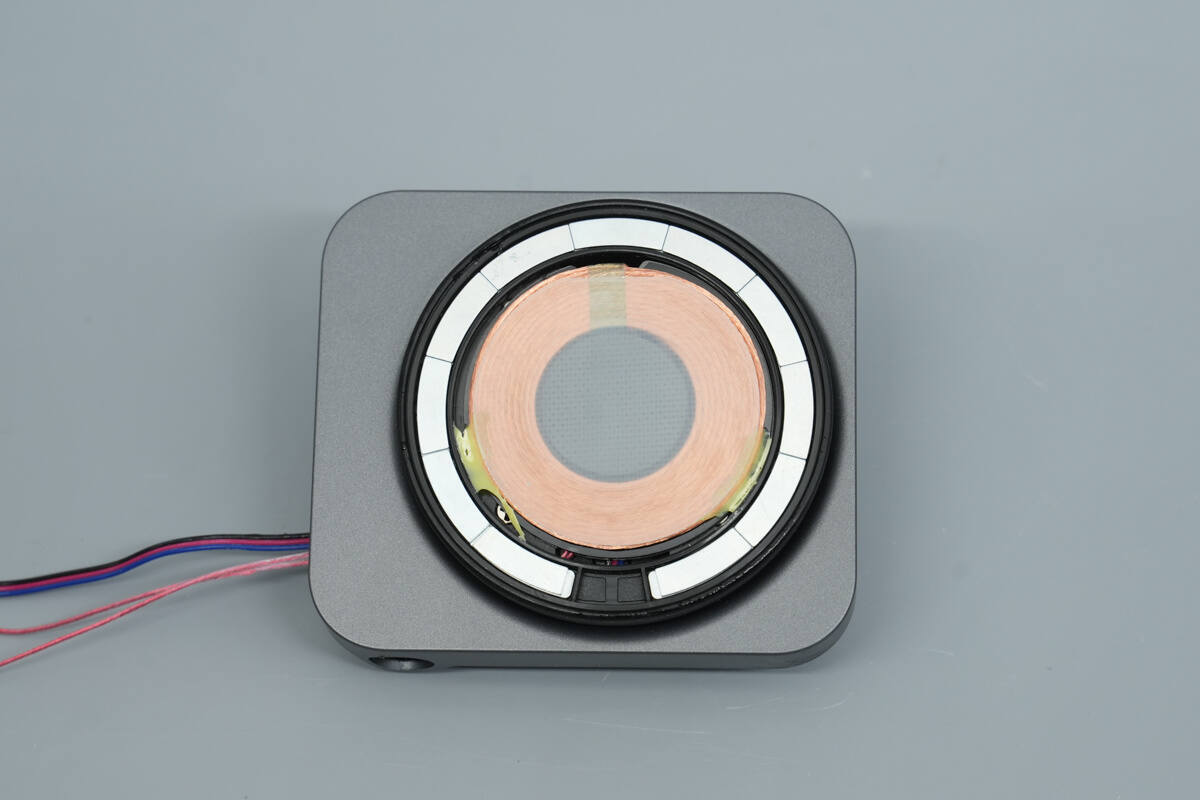
Beneath it are the annular magnets and the coil.
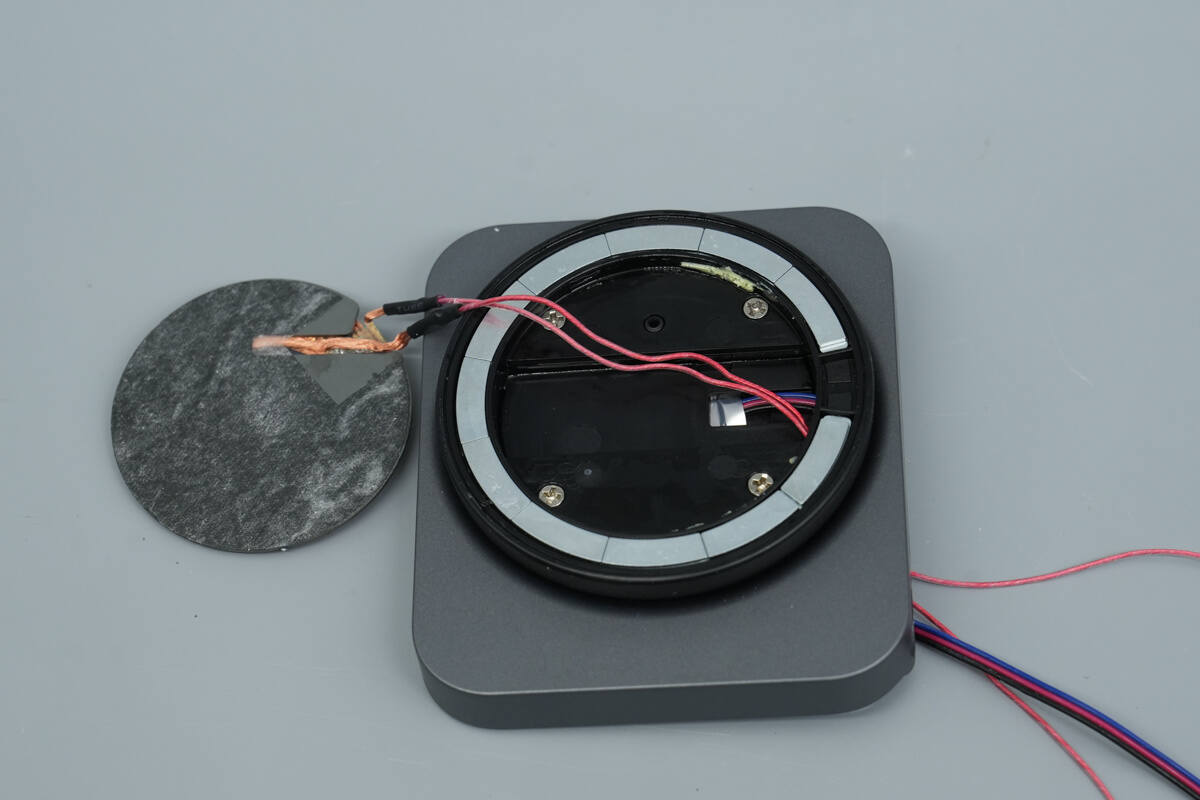
The bottom of the coil is supported by a plastic spacer, fixed in place with screws.
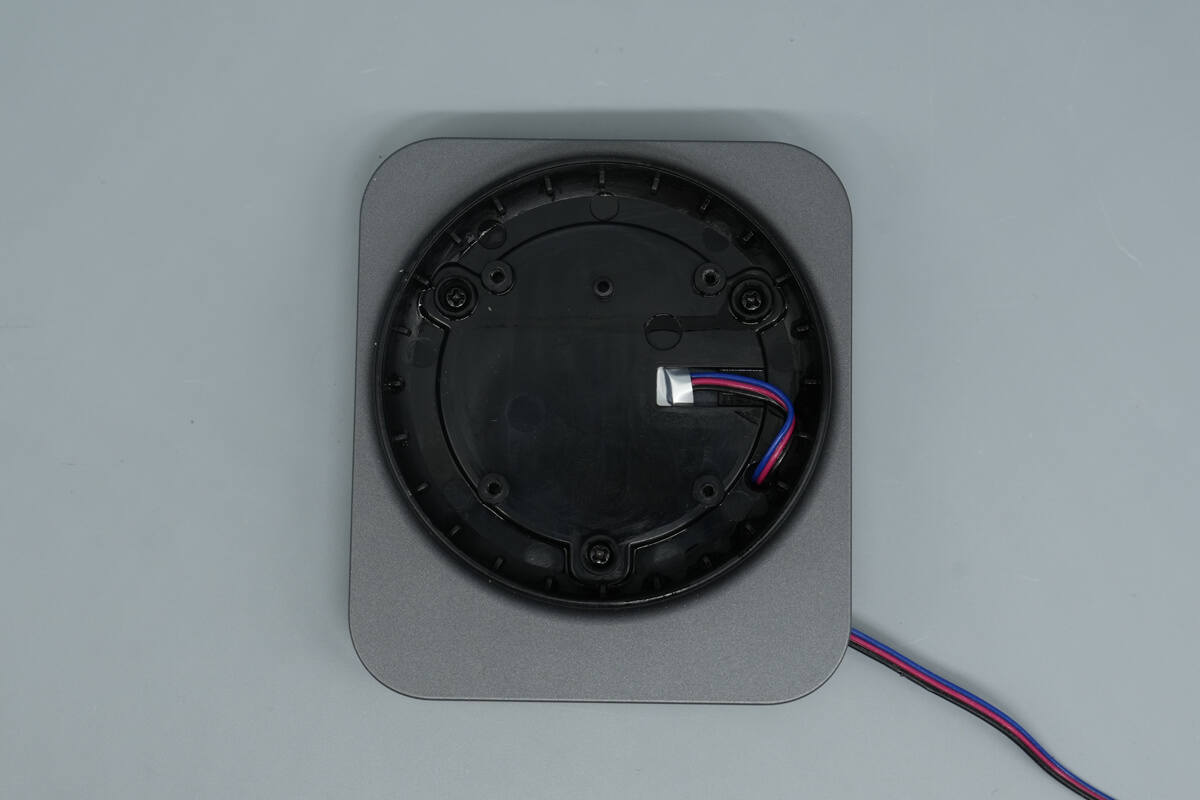
Remove the plastic spacer; the screws securing the cooling fan are located at the bottom.
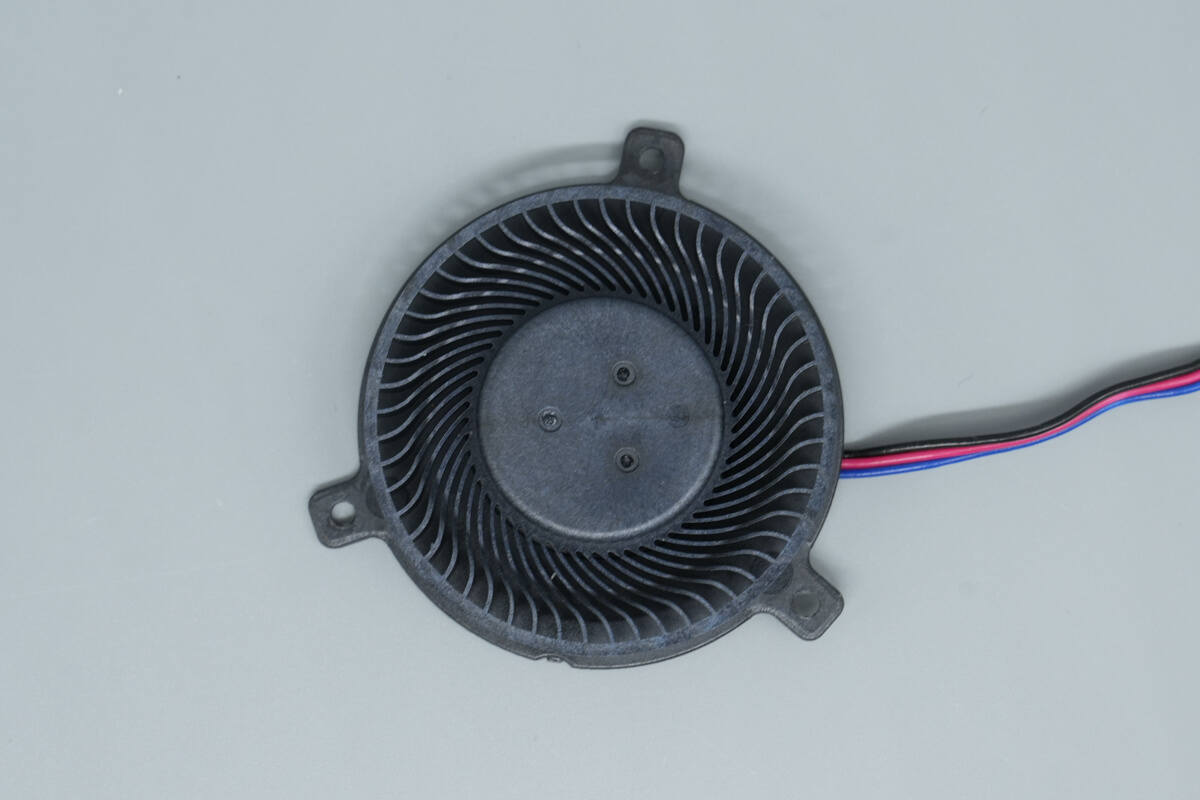
Close-up of the centrifugal cooling fan.
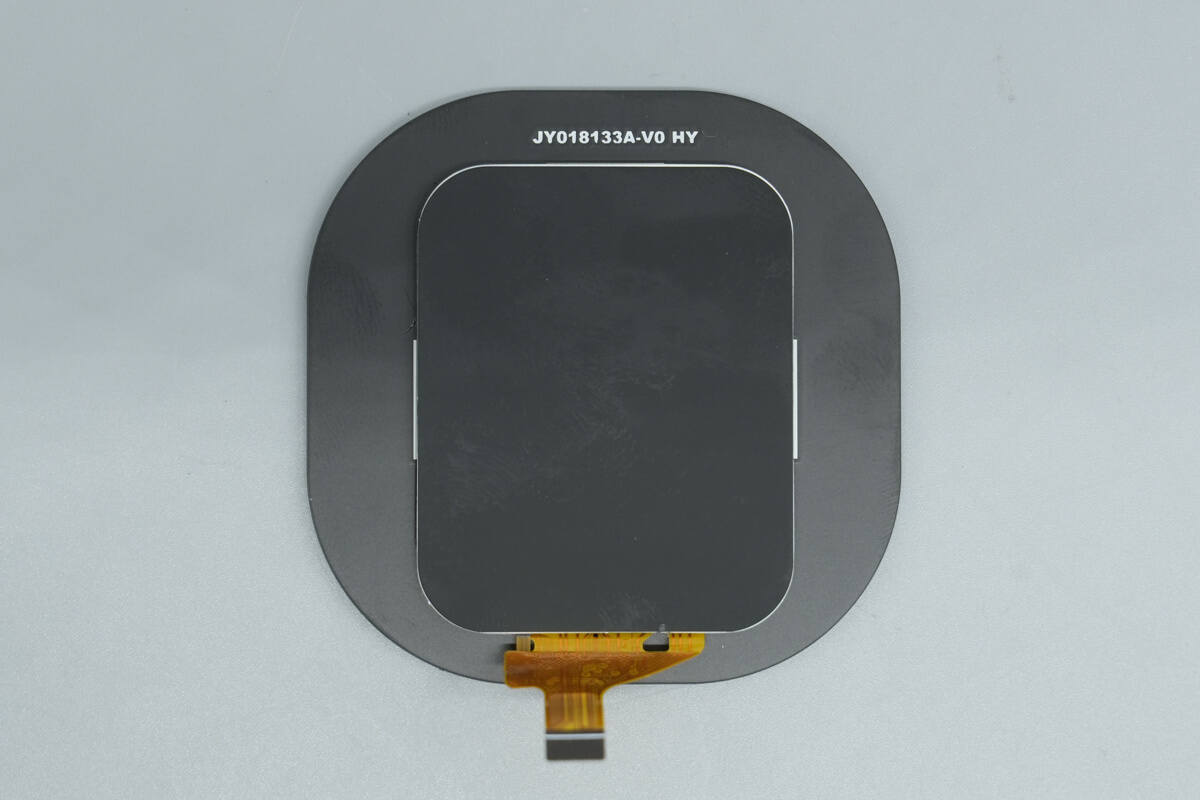
Close-up of the screen.
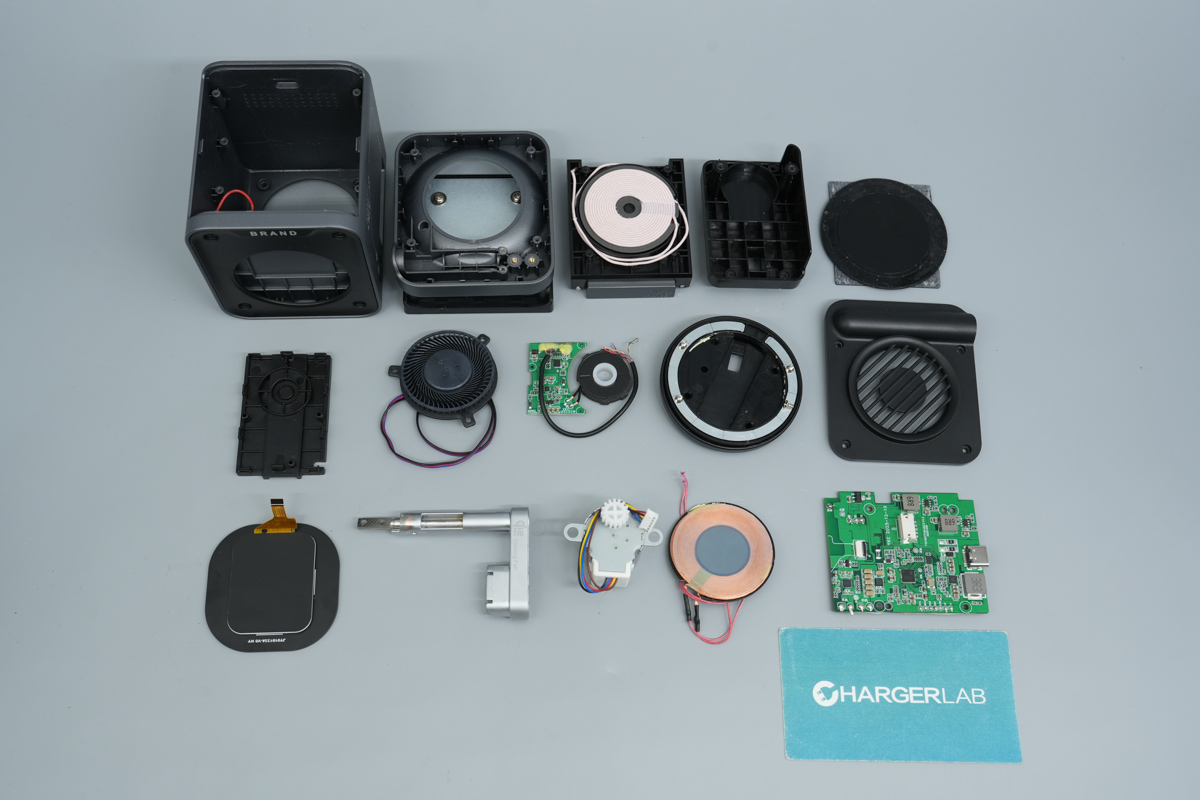
Well, those are all components of the KOAKUMA 3-in-1 Display Qi2.2 Wireless Charger.
Summary of ChargerLAB
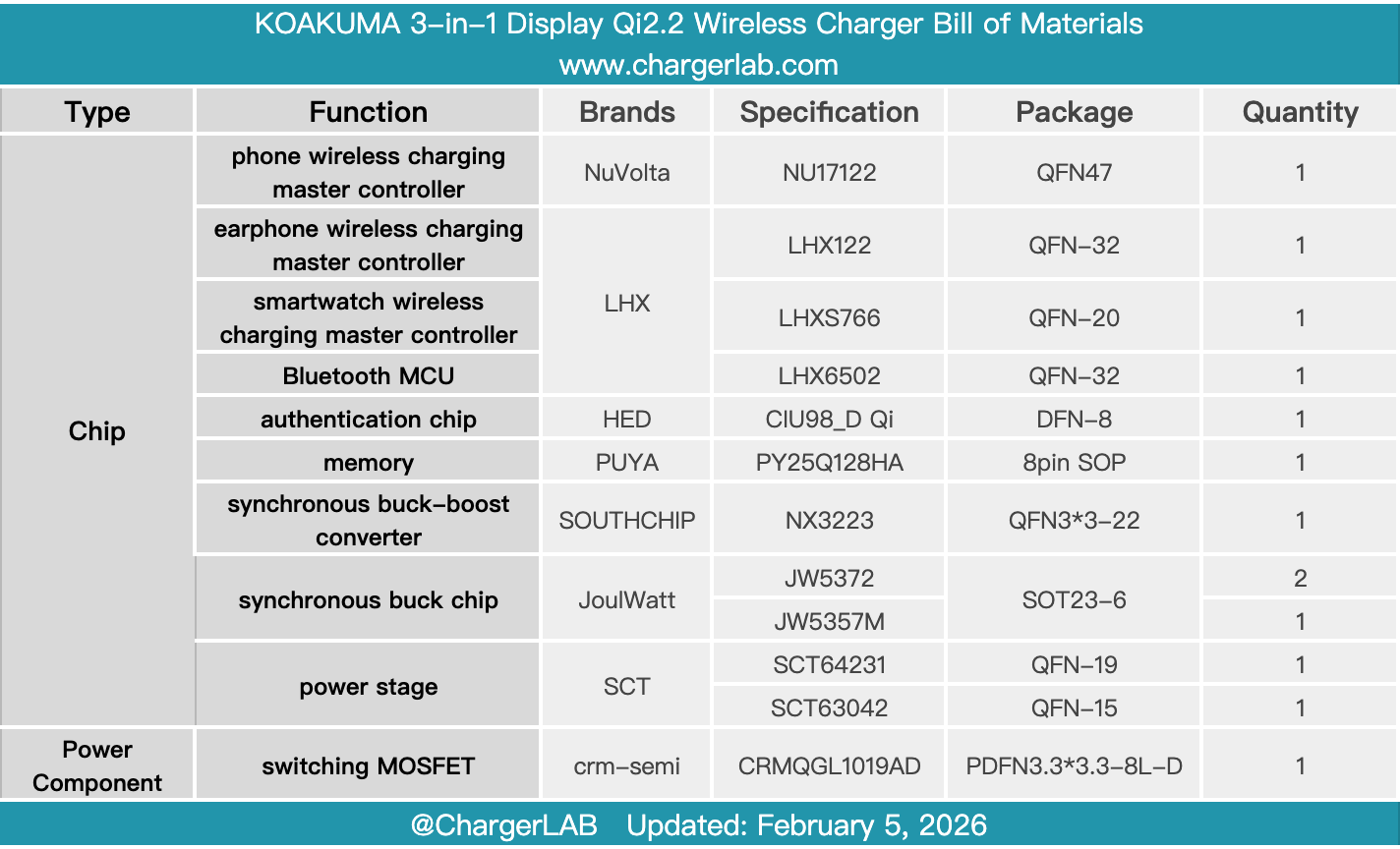
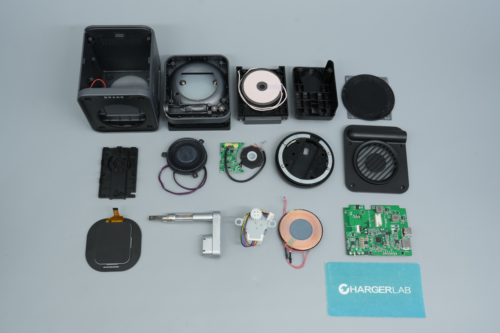
Here is the component list of the KOAKUMA 3-in-1 Display Qi2.2 Wireless Charger for your convenience.
It supports wireless charging for phones, headphones, and smartwatches. The top magnetic charging pad supports a 25W charging power and is equipped with a built-in cooling fan. It offers 5W wireless charging for headphones and 2.5W wireless charging for smartwatches. The screen displays input voltage, current levels, charging power, and more. The side of the wireless charging unit features a touch button for operation.
After taking it apart, we found that it integrates three independent wireless charging circuits. The phone's magnetic wireless charging uses the NuVolta NU17122 wireless charging chip paired with the SouthChip NX3223 synchronous buck-boost converter. The wireless charging for the headphones and smartwatch also uses separate wireless charging controllers, each paired with its own power stage chip.
The wireless charging system includes a driver circuit for controlling the stepper motor, which extends and retracts the smartwatch wireless charger. The PCBA module is equipped with a thermistor for overheat protection, while the wireless charging coil is paired with a fan for cooling. The LCD screen displays voltage, current, and charging power, making the system highly functional and practical.
Related Articles:
1. Teardown of Lenovo Legion 300W Original Adapter (ADL300SDC3A)
2. Teardown of MOVESPEED 165W GaN Desktop Charger (MSA05)
3. Teardown of Belkin 112W 4-Port GaN Charger (WCH017yz)