
Introduction
We obtained the OPPO 50W AirVOOC Magnetic Wireless Charger. It supports three operating modes: high-power cooling wireless charging, low-noise wireless charging, and cooling-only mode, allowing flexible selection based on usage needs. User interaction is implemented via touch control, with LED color indicators (dark green, light green, and blue) used to differentiate operating states. A desktop stand is included in the package. Next, we will examine its internal structure and components.
Product Appearance
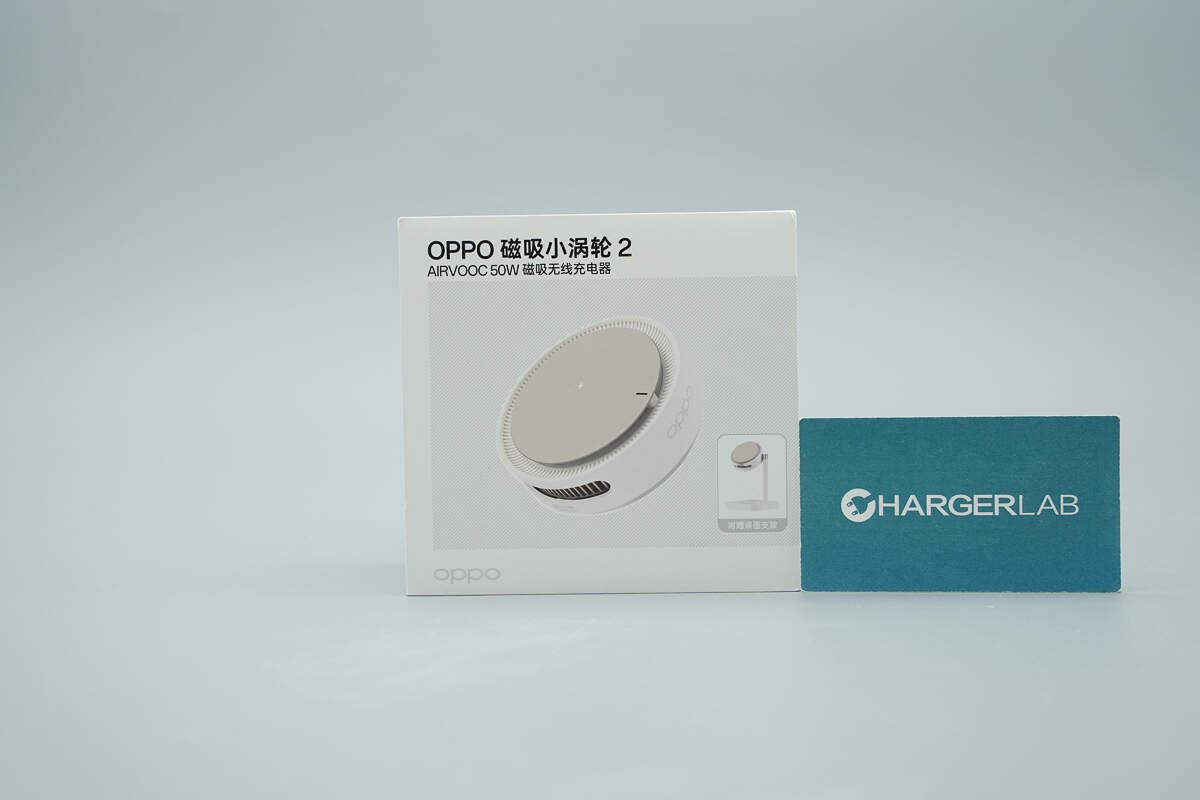
The front of the packaging box features the OPPO branding, product name, product appearance, and a scene image showing the charger mounted on the desktop stand.
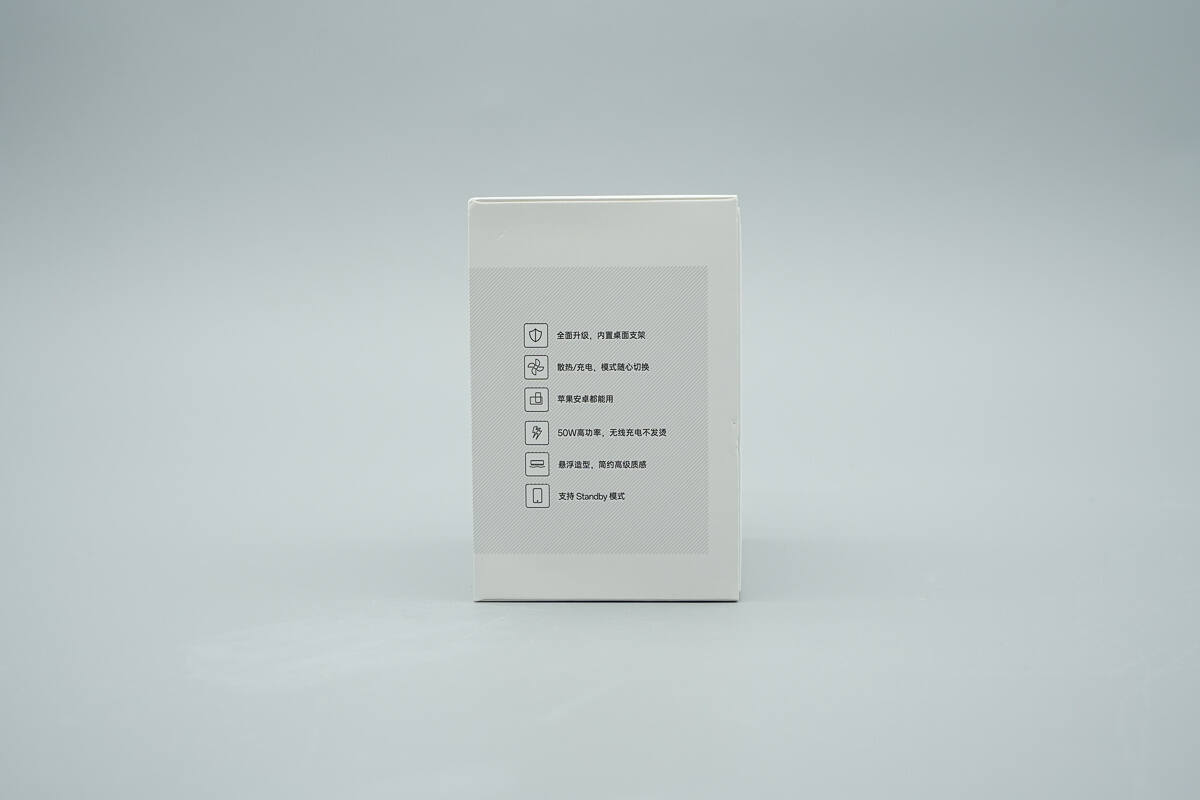
The side of the packaging highlights the key selling points.
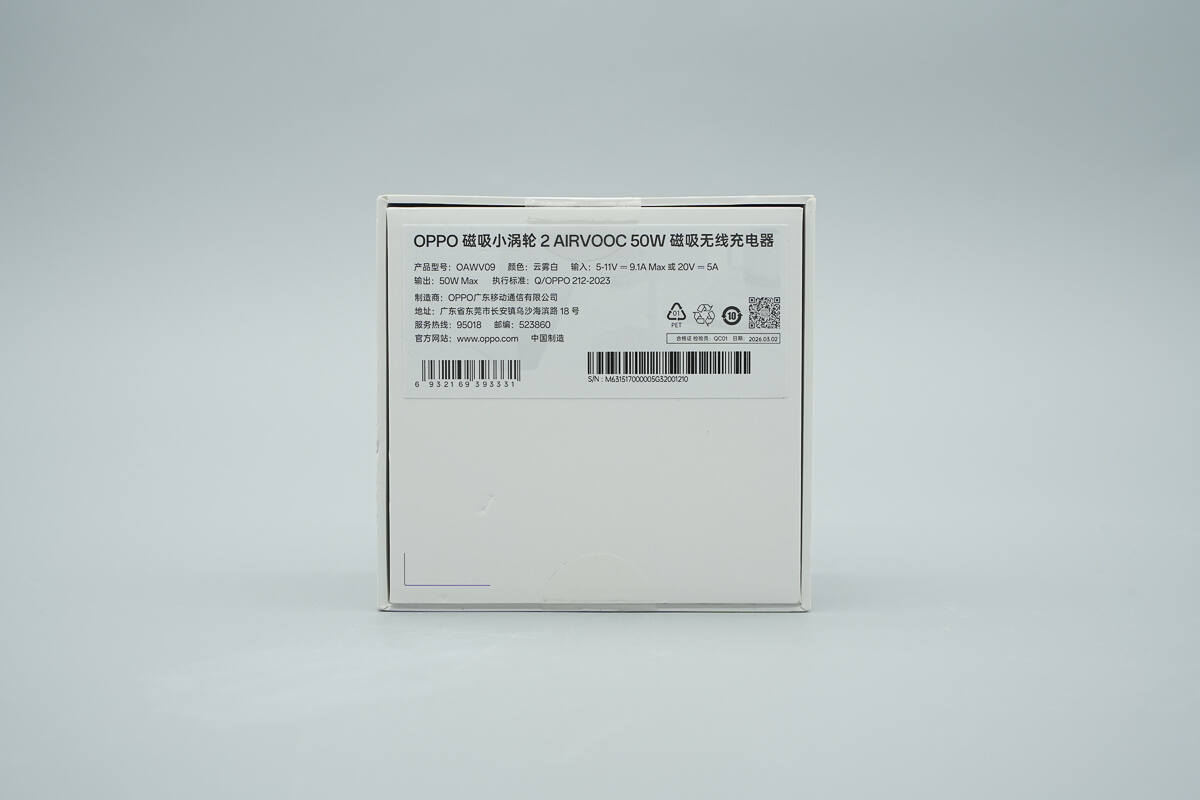
An information label is affixed to the bottom of the packaging.
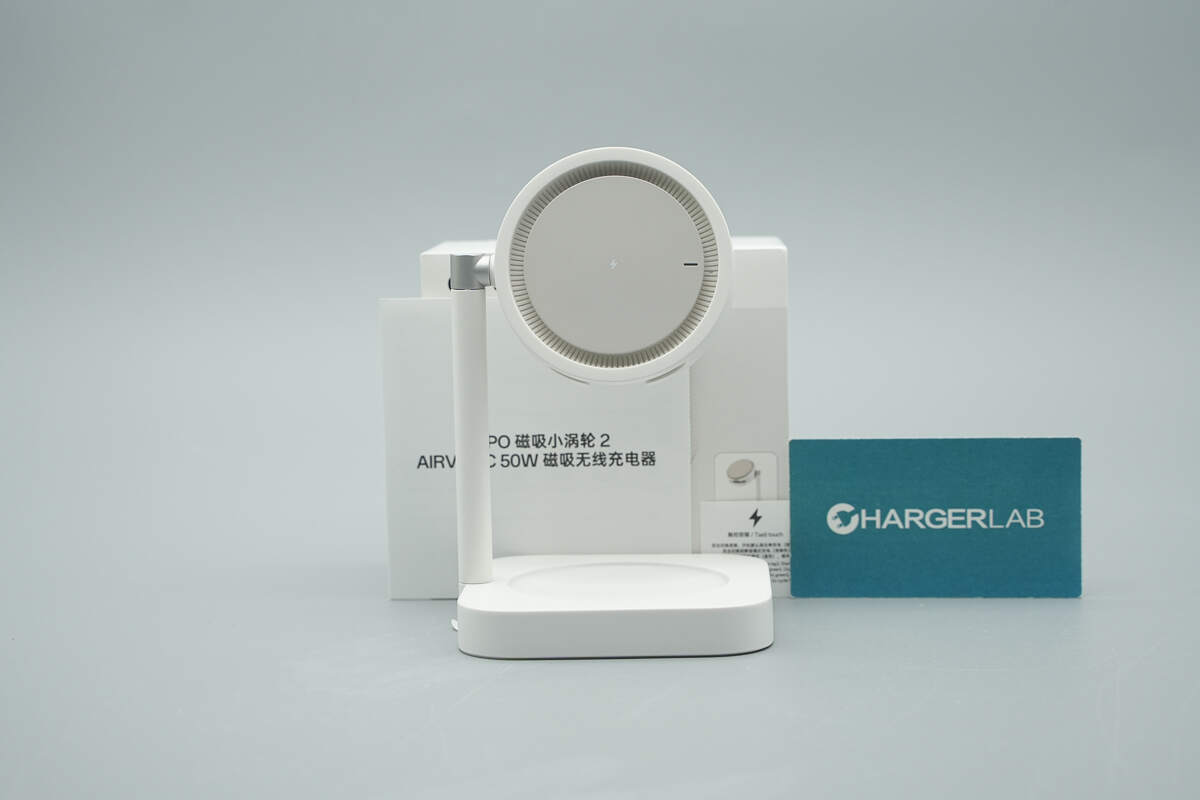
The package includes the wireless charger, a desktop stand, and the user manual with a warranty card.
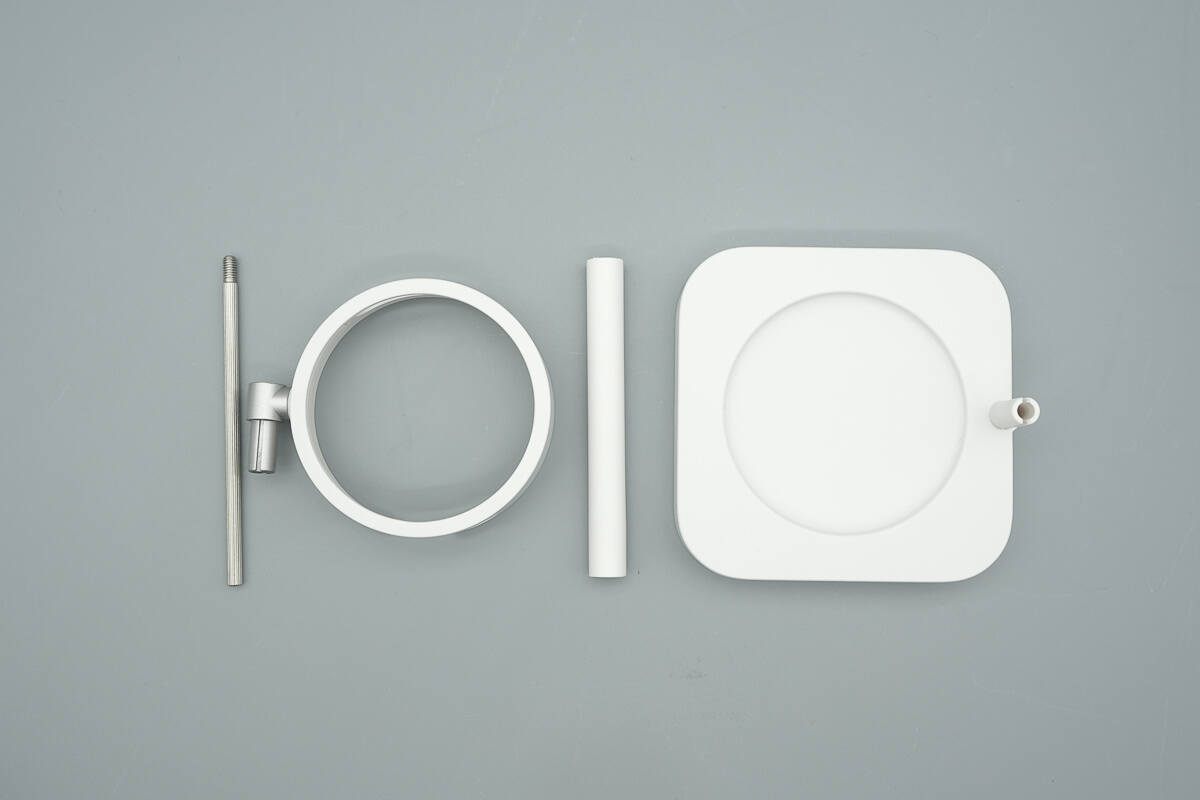
The desktop stand consists of four components and features a modular, snap-fit design, making assembly and disassembly straightforward.
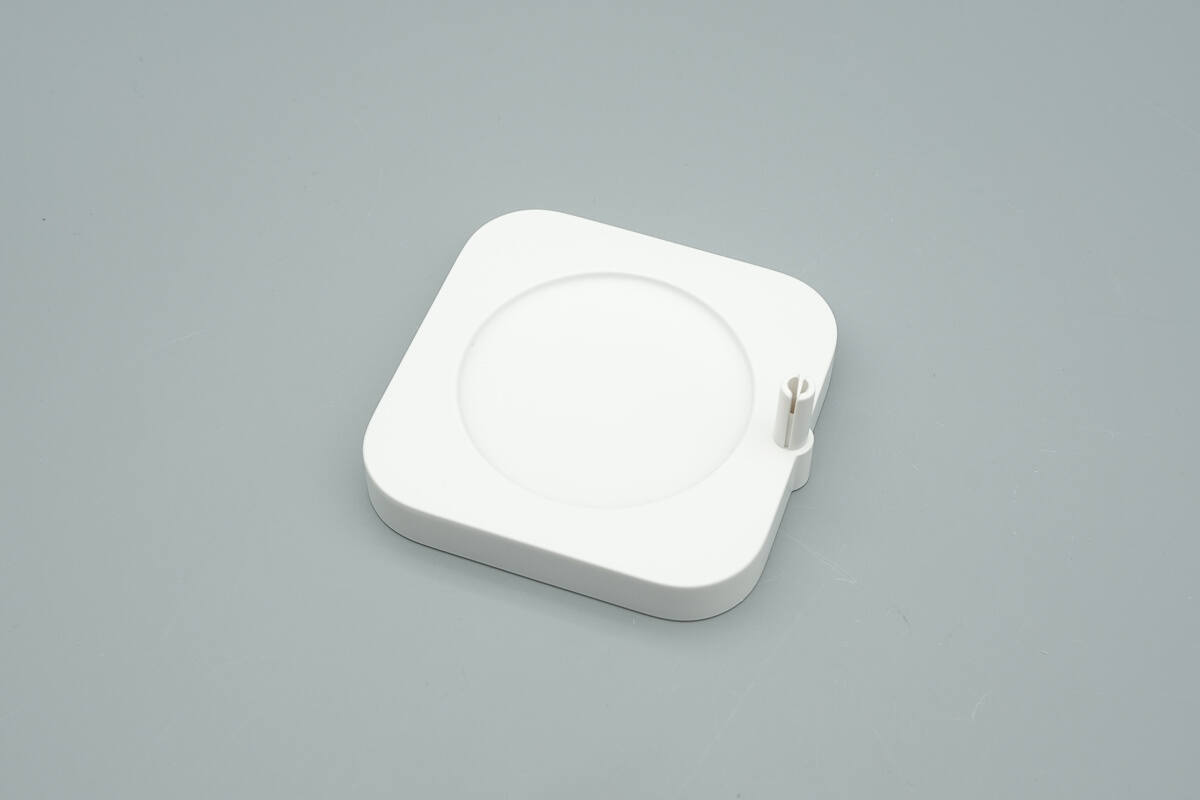
The base is designed with a dedicated slot for placing the wireless charger.
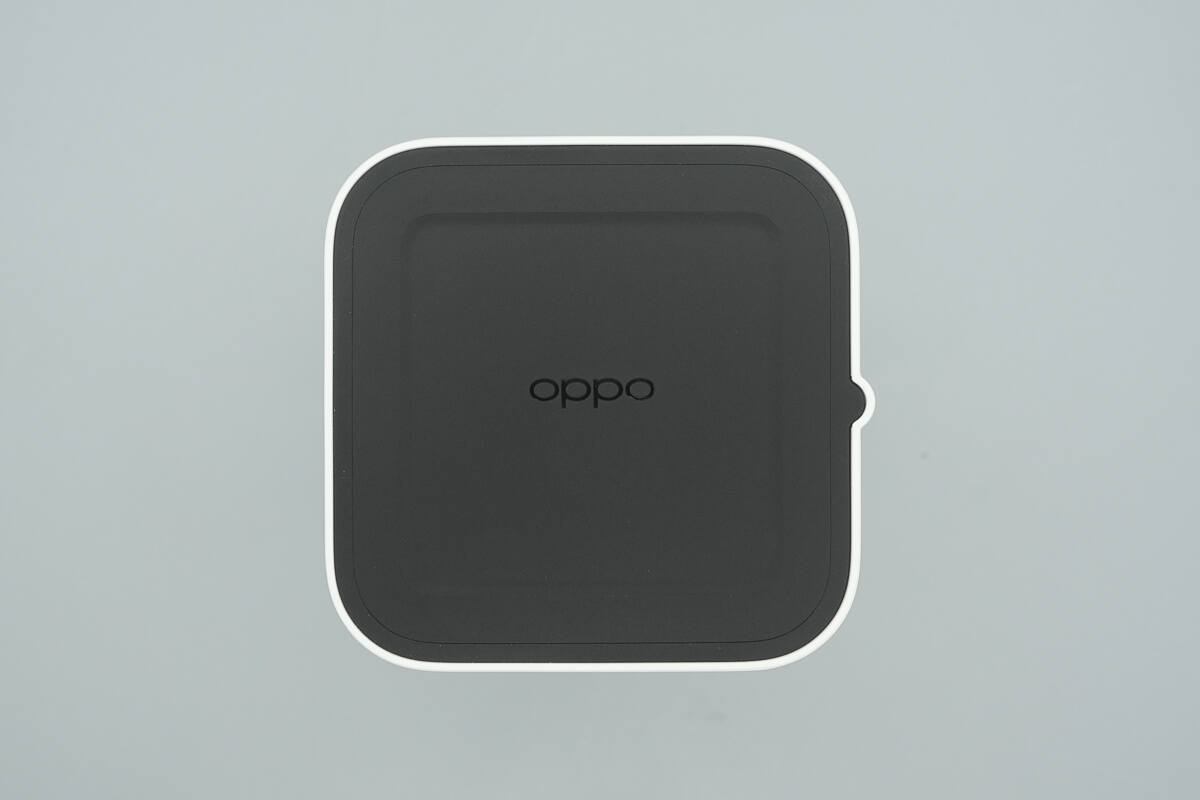
The underside of the base is fitted with a black anti-slip pad, with the OPPO logo positioned at the center.
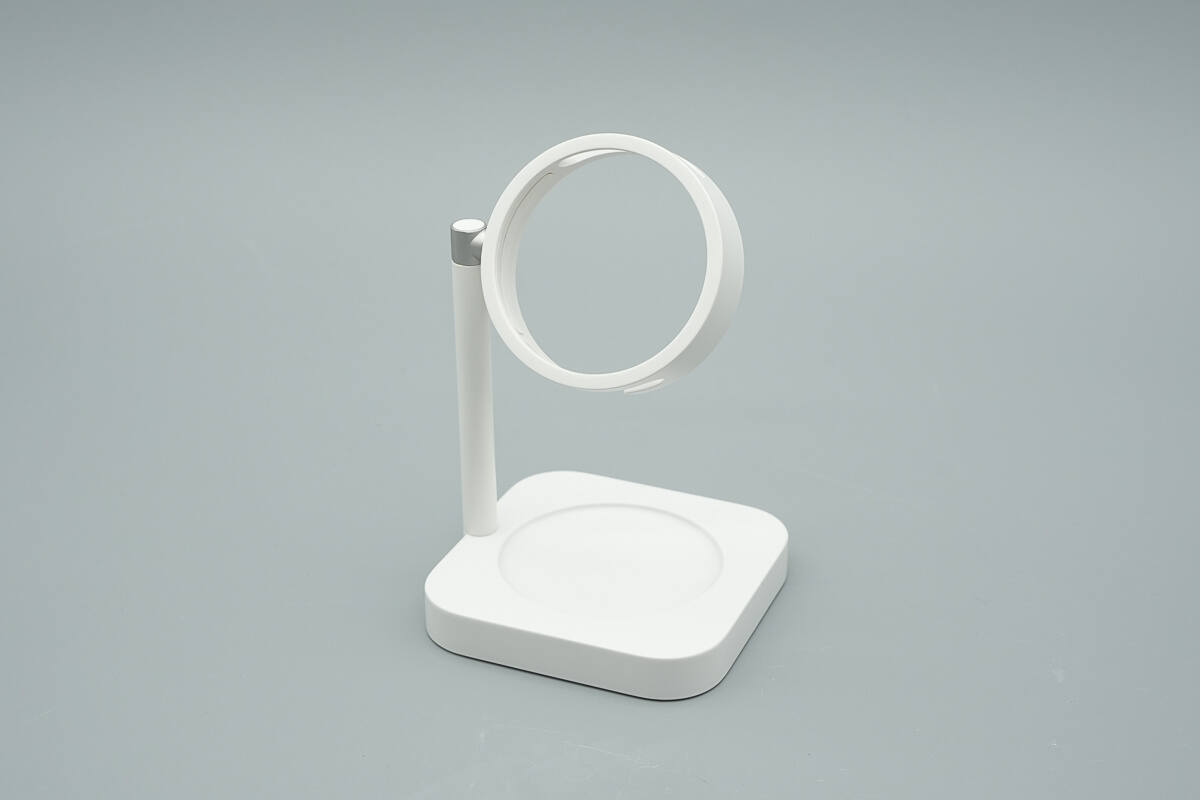
Overview of the assembled desktop stand.
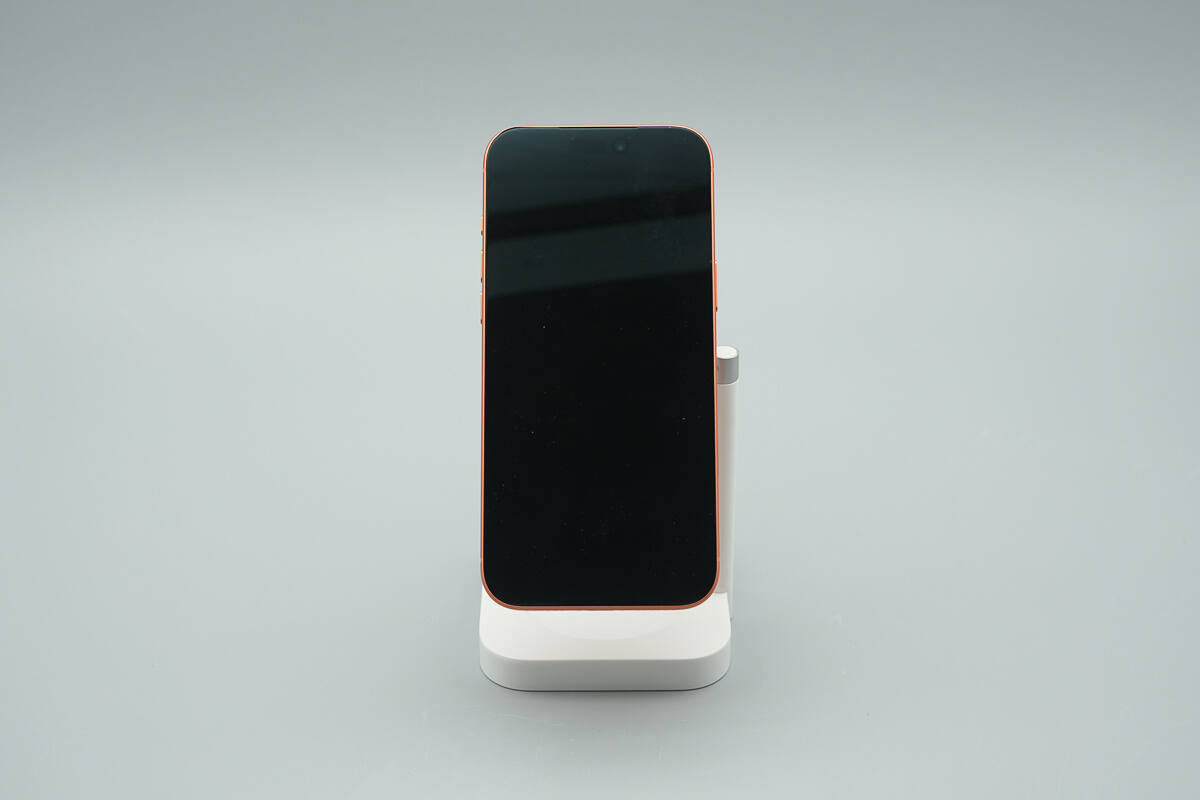
With the desktop stand, the wireless charger can be used as a desktop charging solution.
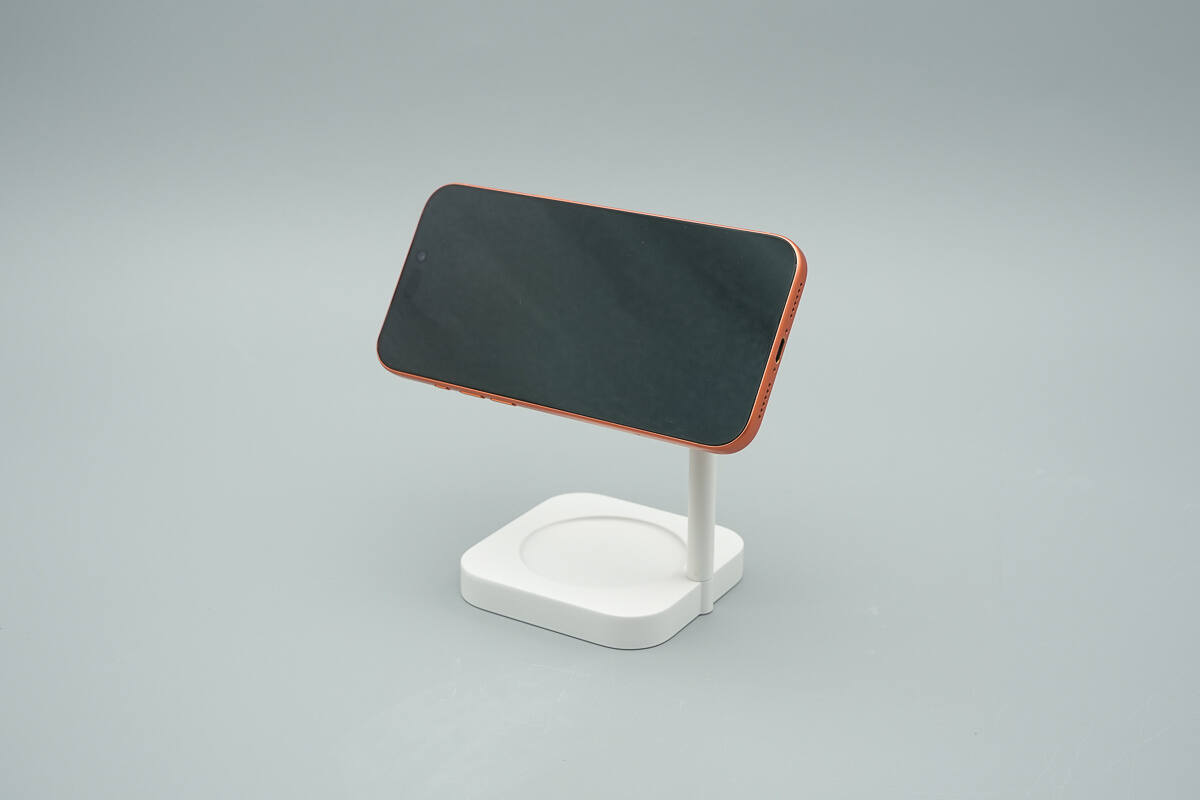
It securely holds the phone in both portrait and landscape orientations, enabling a better charge-and-use experience.
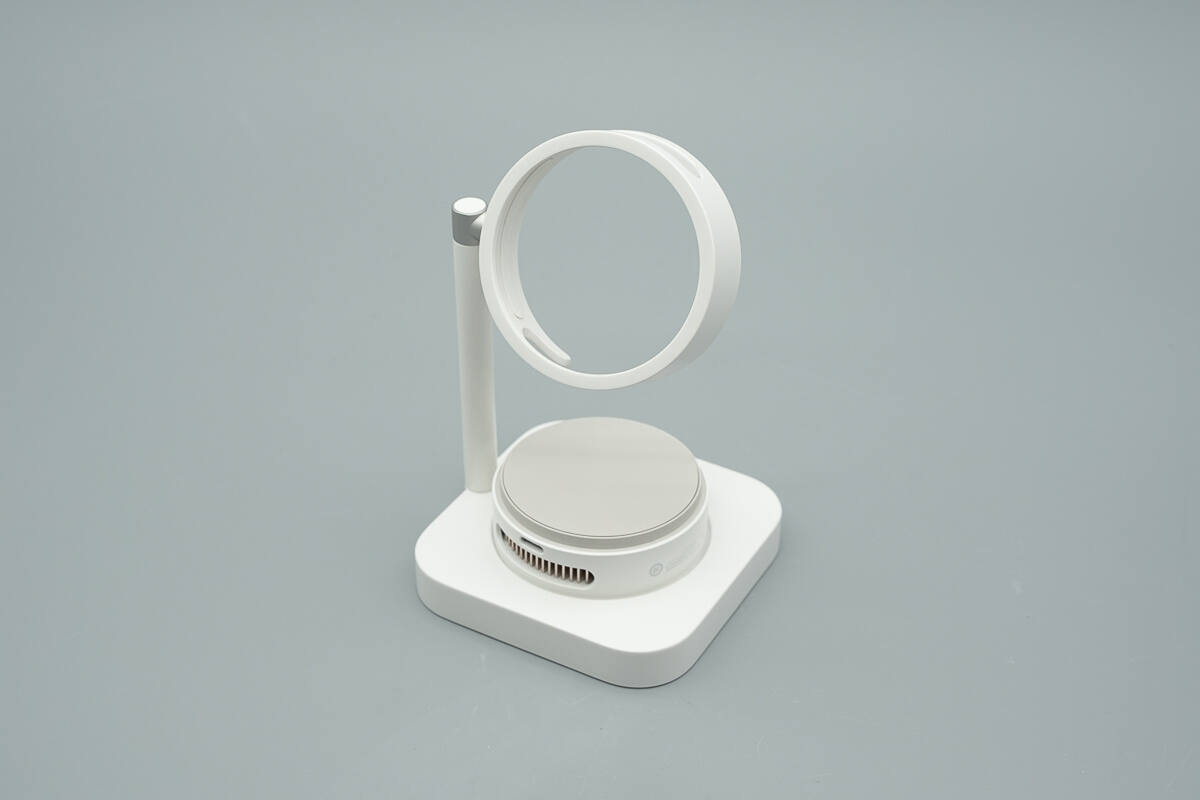
When not in use, the wireless charger can be placed on the base to keep the desk more organized.
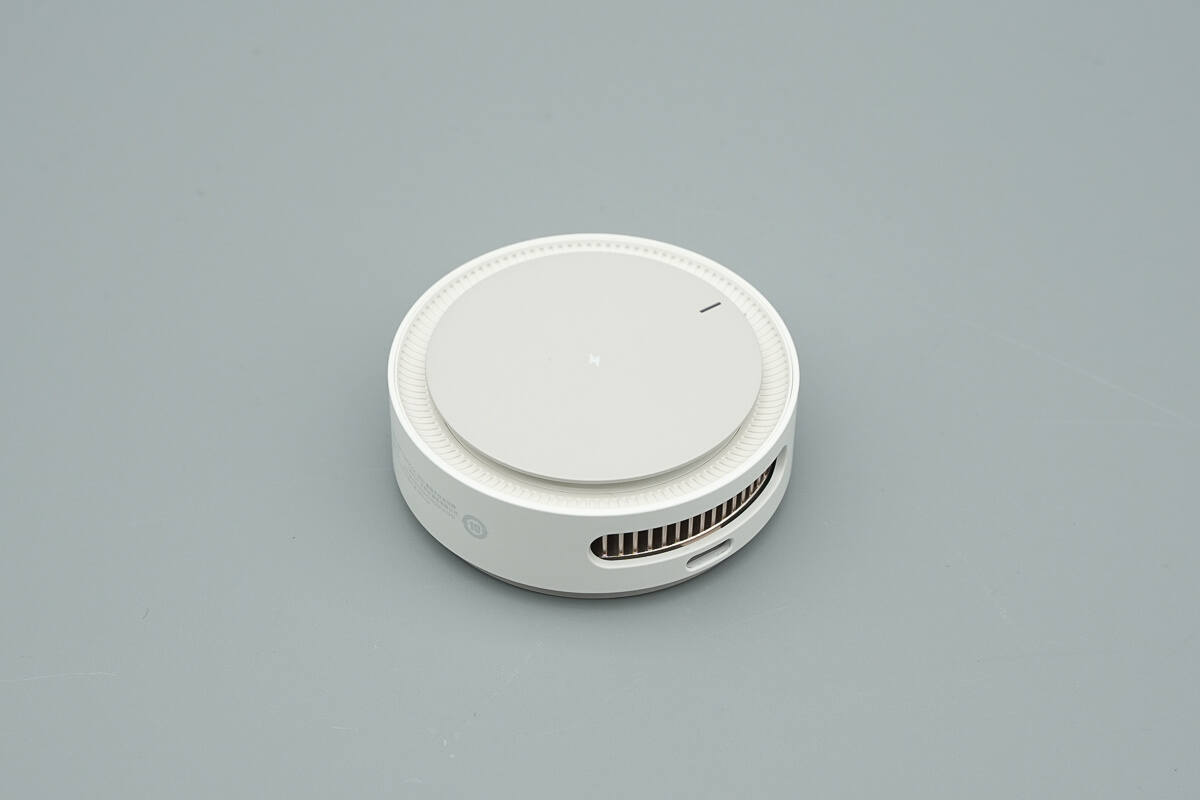
The wireless charger features a compact form factor with air outlet vents integrated into the side.
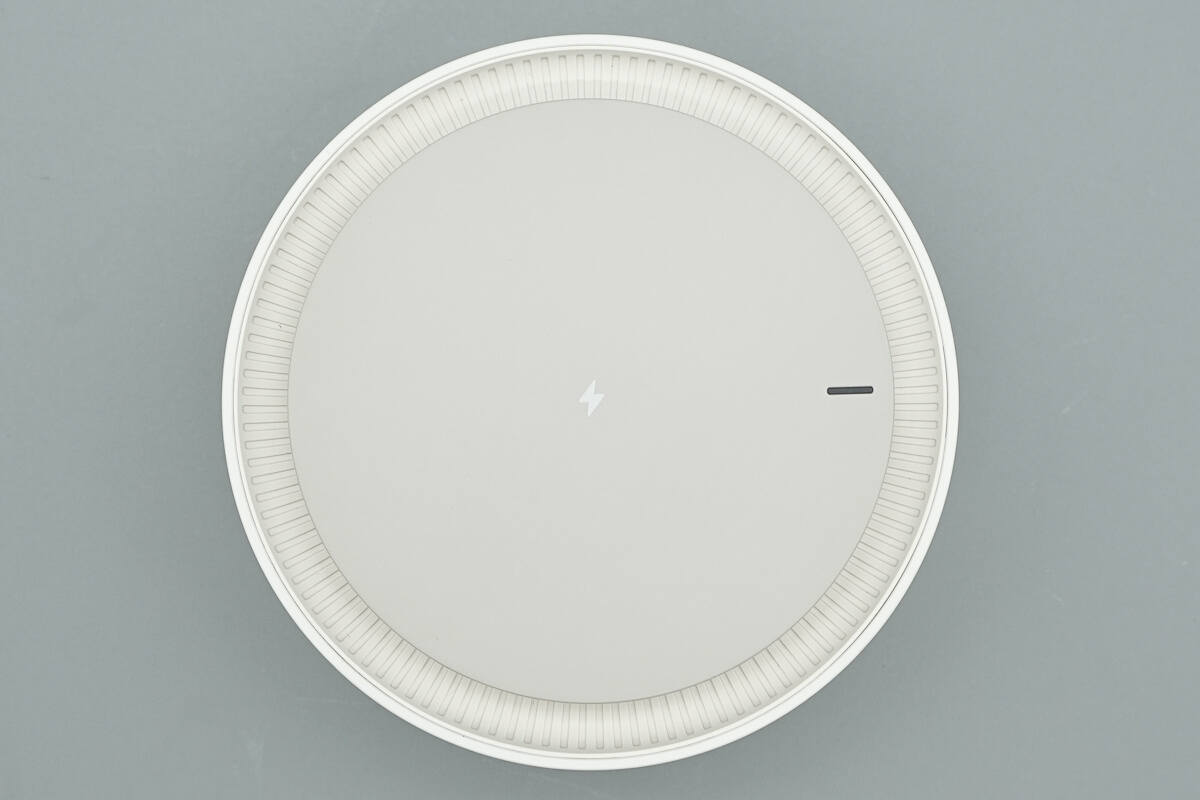
A touch-sensitive button is located at the center of the top surface, marked with a lightning icon. Double-tapping the button switches between three modes: high-power cooling wireless charging, low-noise wireless charging, and cooling-only mode.

An indicator LED is also integrated into the top panel.
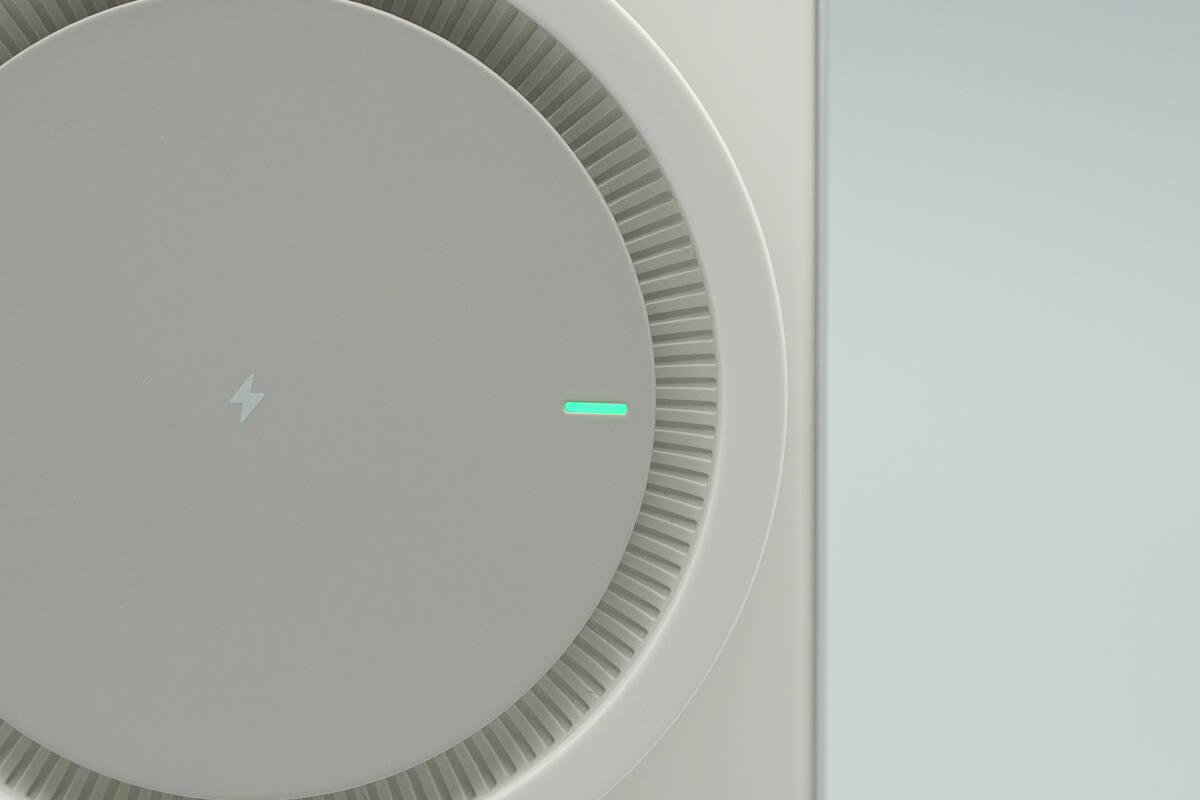
In high-power charging mode, the indicator LED is dark green, which is also the default operating mode of the wireless charger.
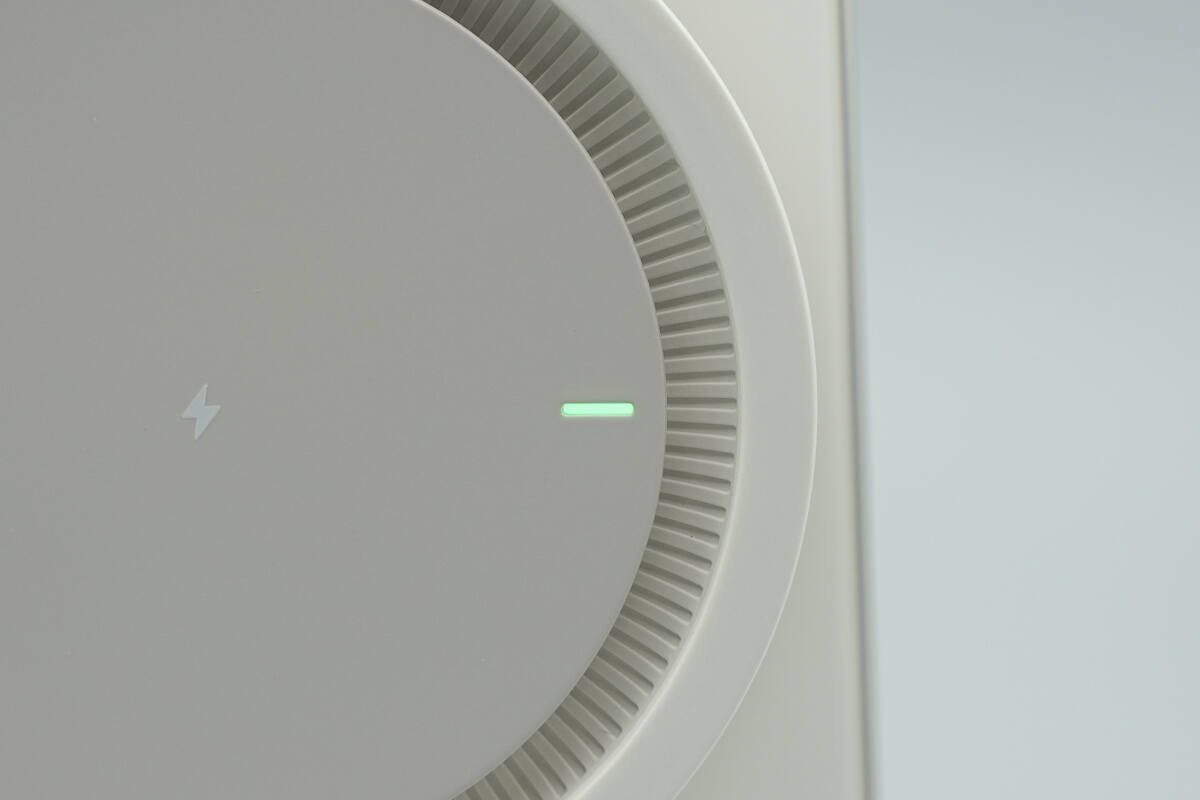
In low-noise mode, the indicator LED is light green.
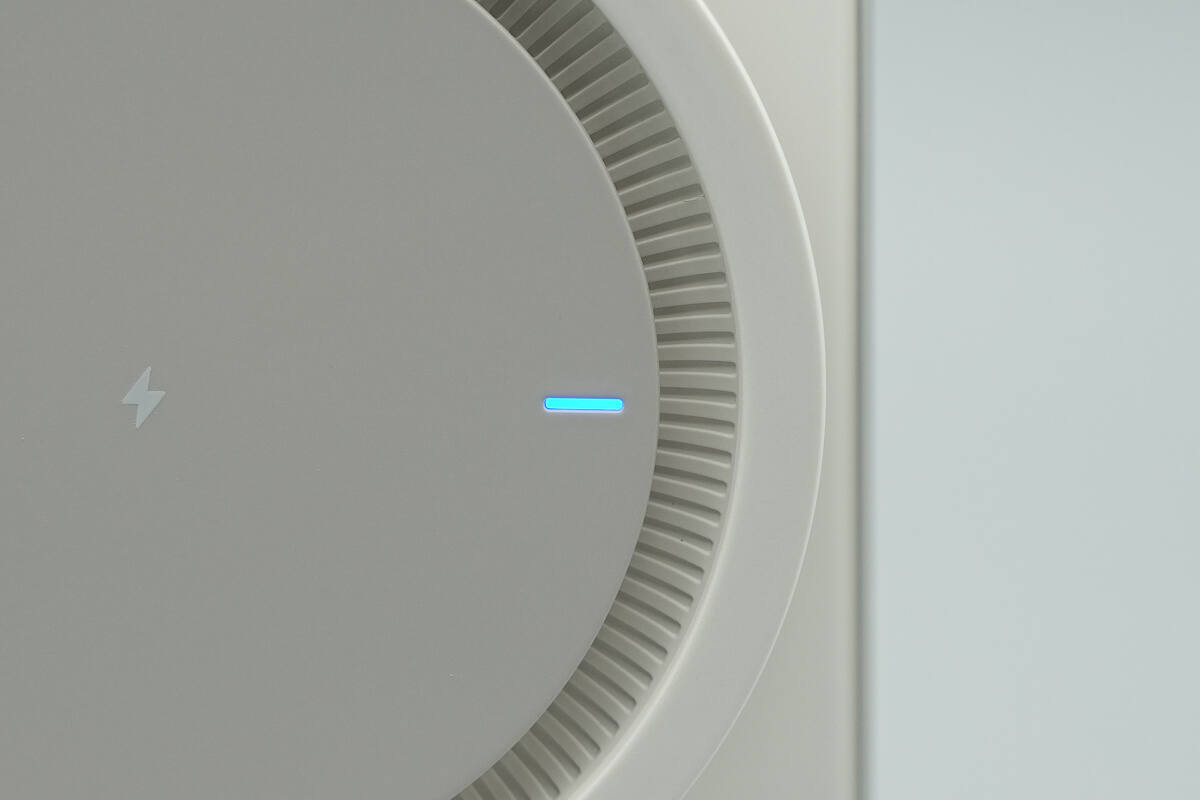
In cooling-only mode, the indicator LED is blue.
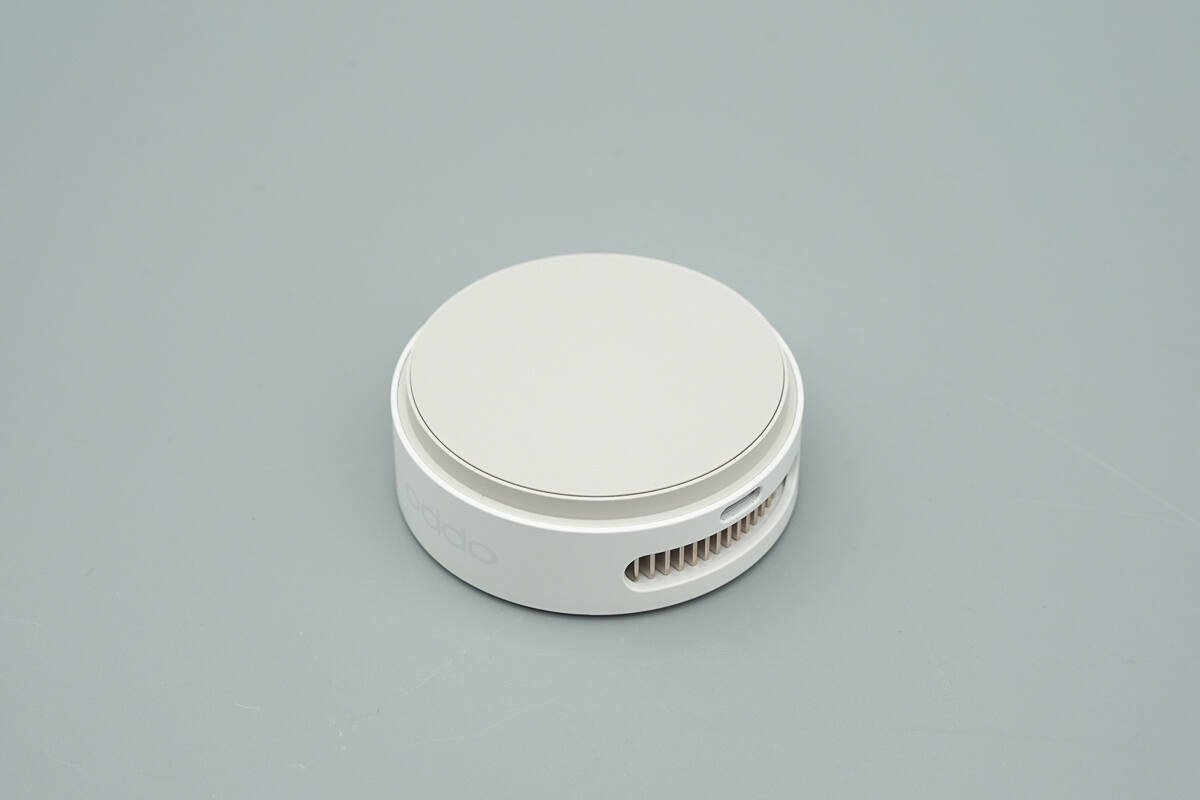
The opposite side is fitted with a non-slip, thermally conductive silicone pad.
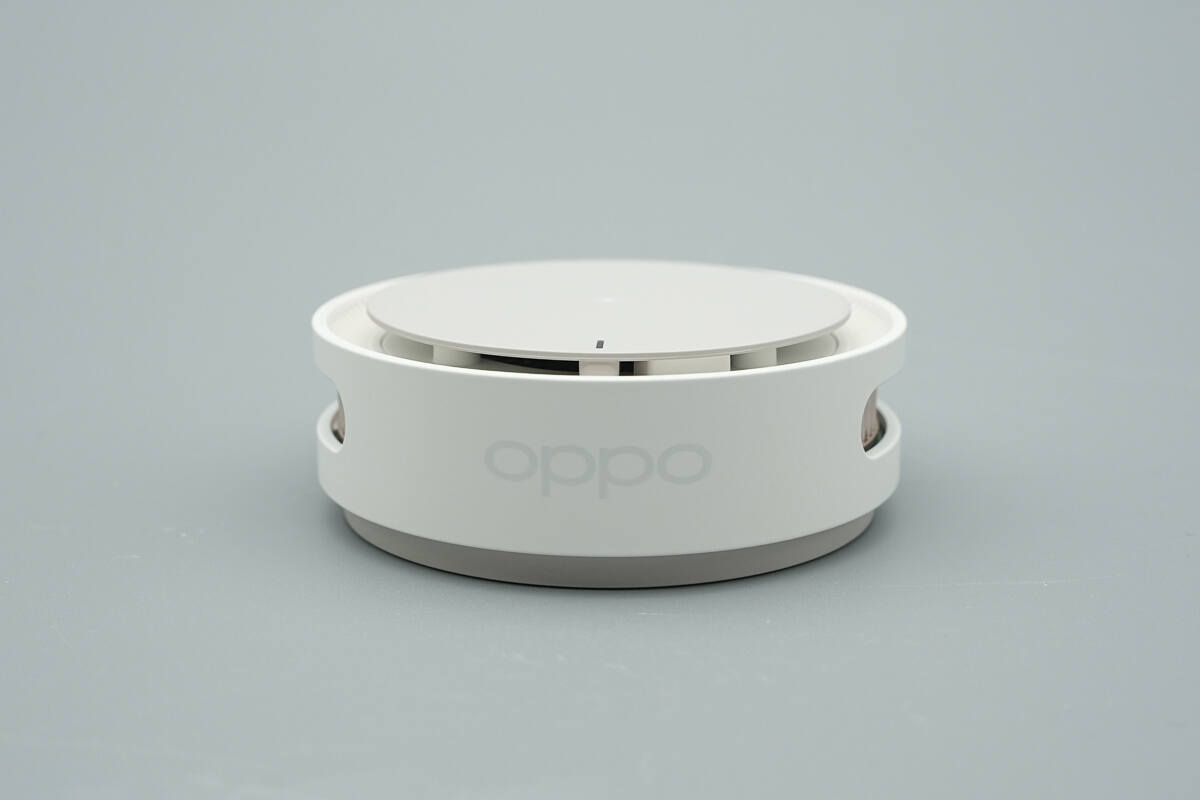
OPPO branding is printed on the side.
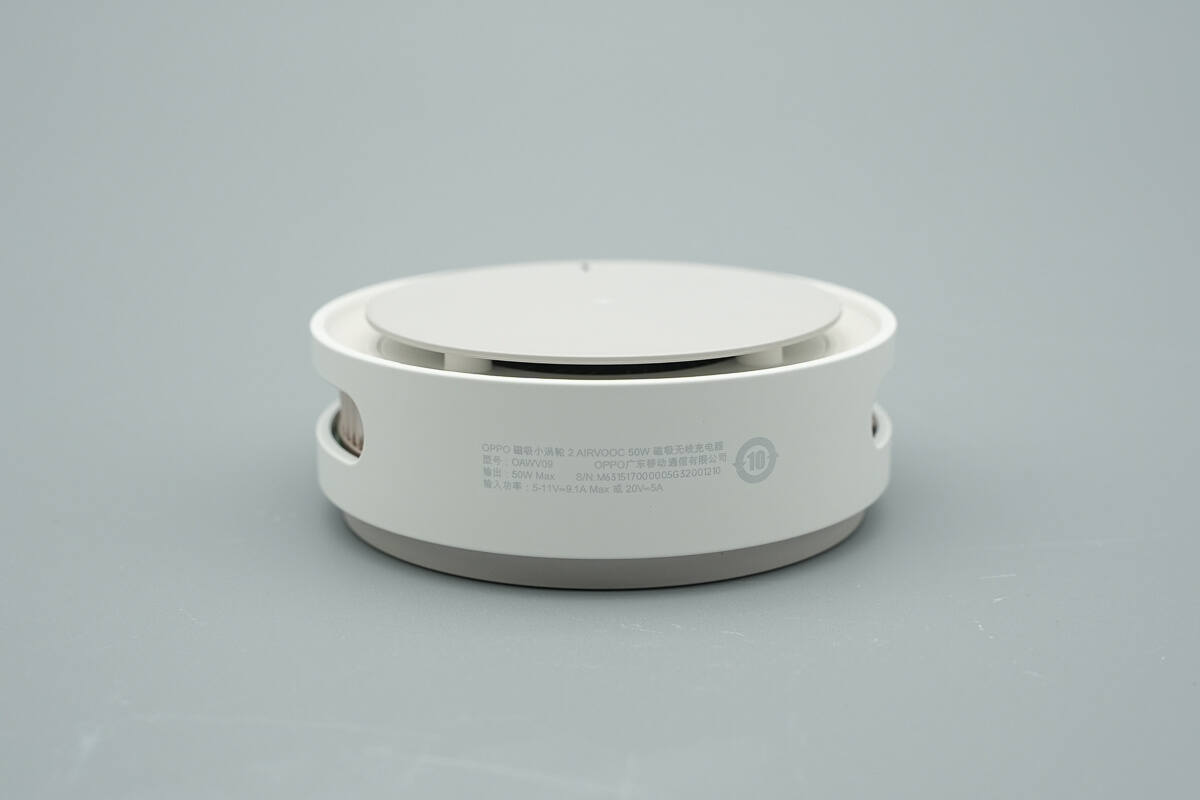
The opposite end is printed with the specifications.
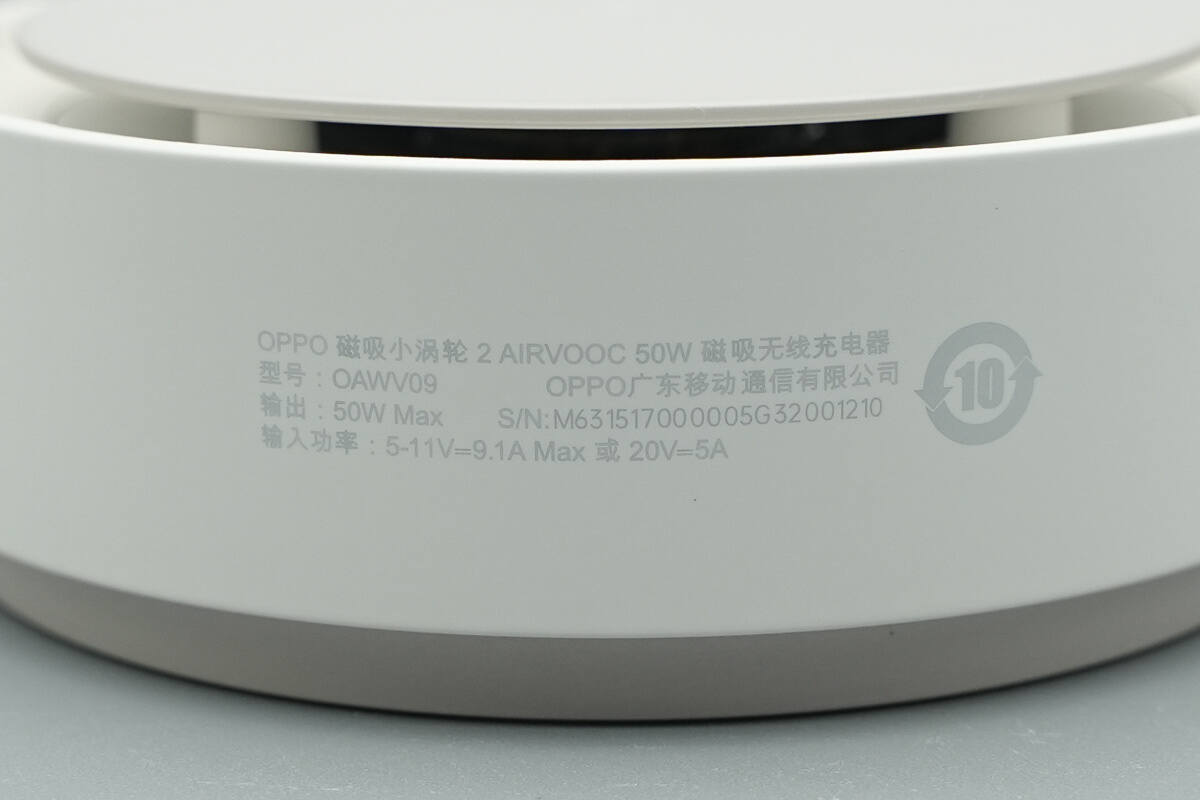
Model: OAWV09
Output: 50W Max
Input: 5–11V⎓9.1A Max or 20V⎓5A
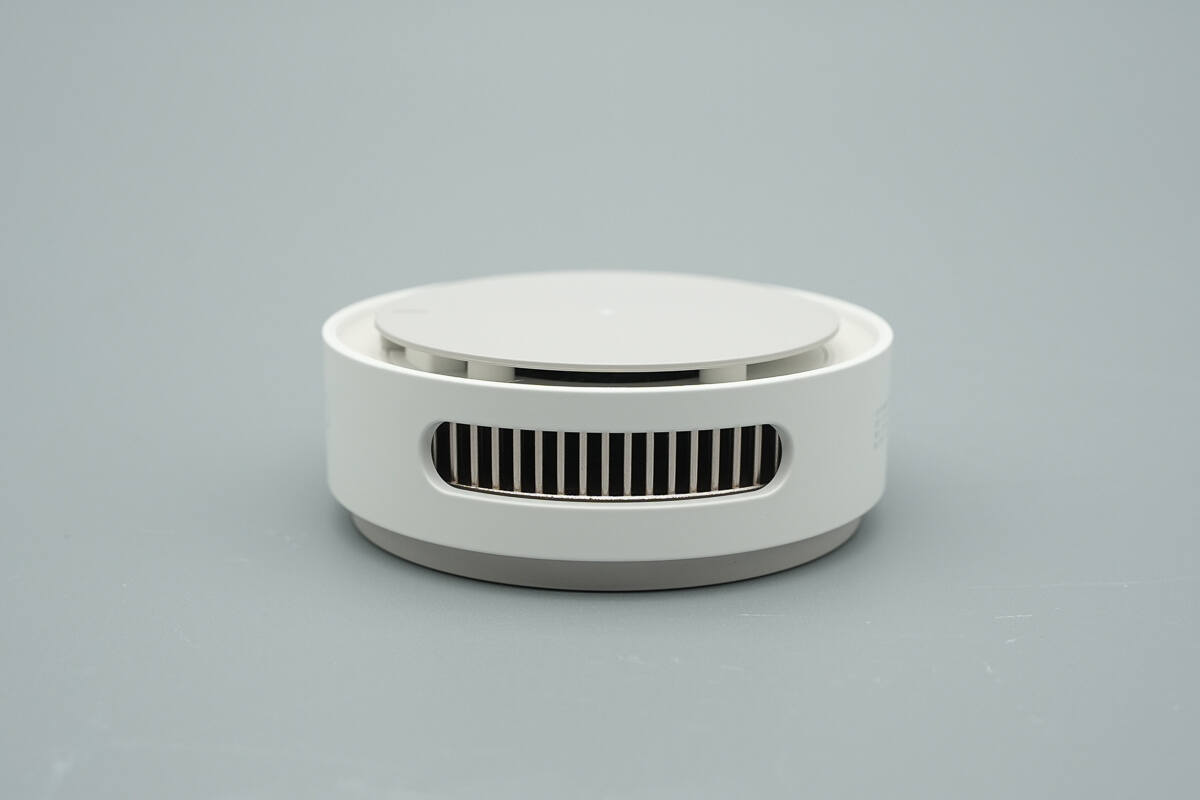
Grille-style air outlets are provided on both sides.
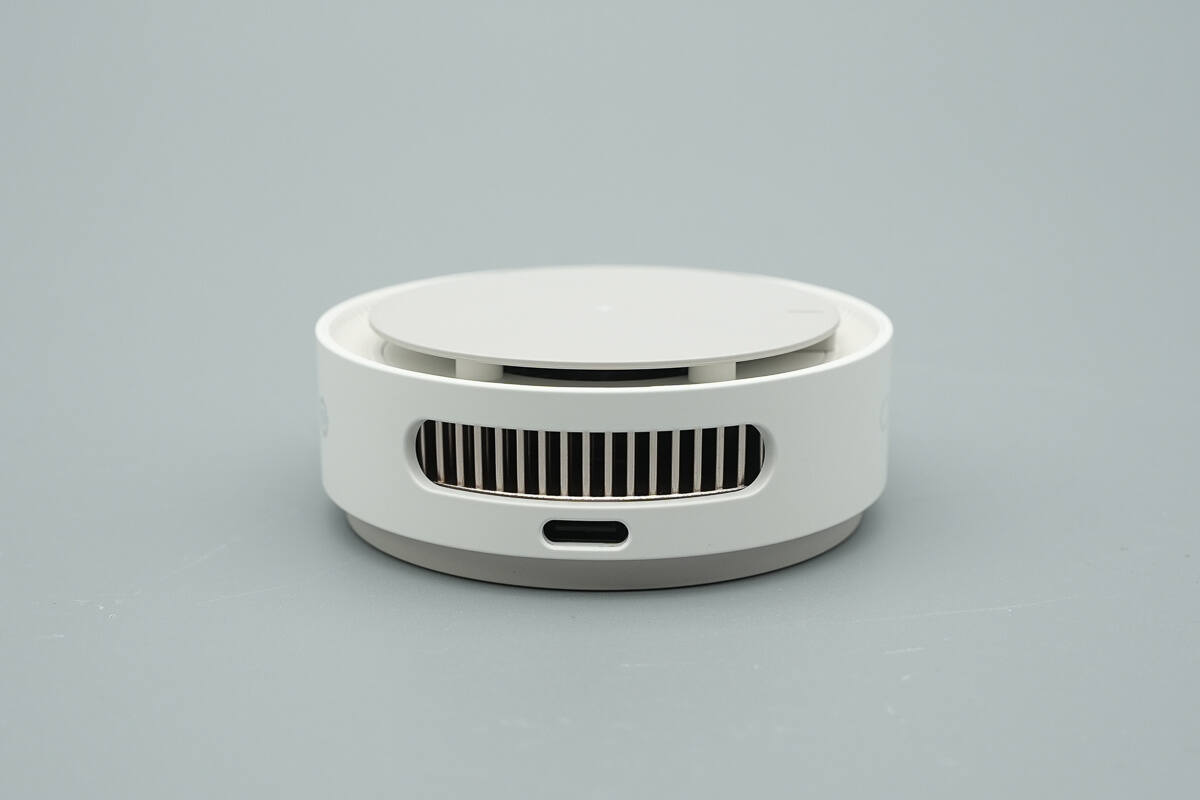
One side also features a USB-C input port.
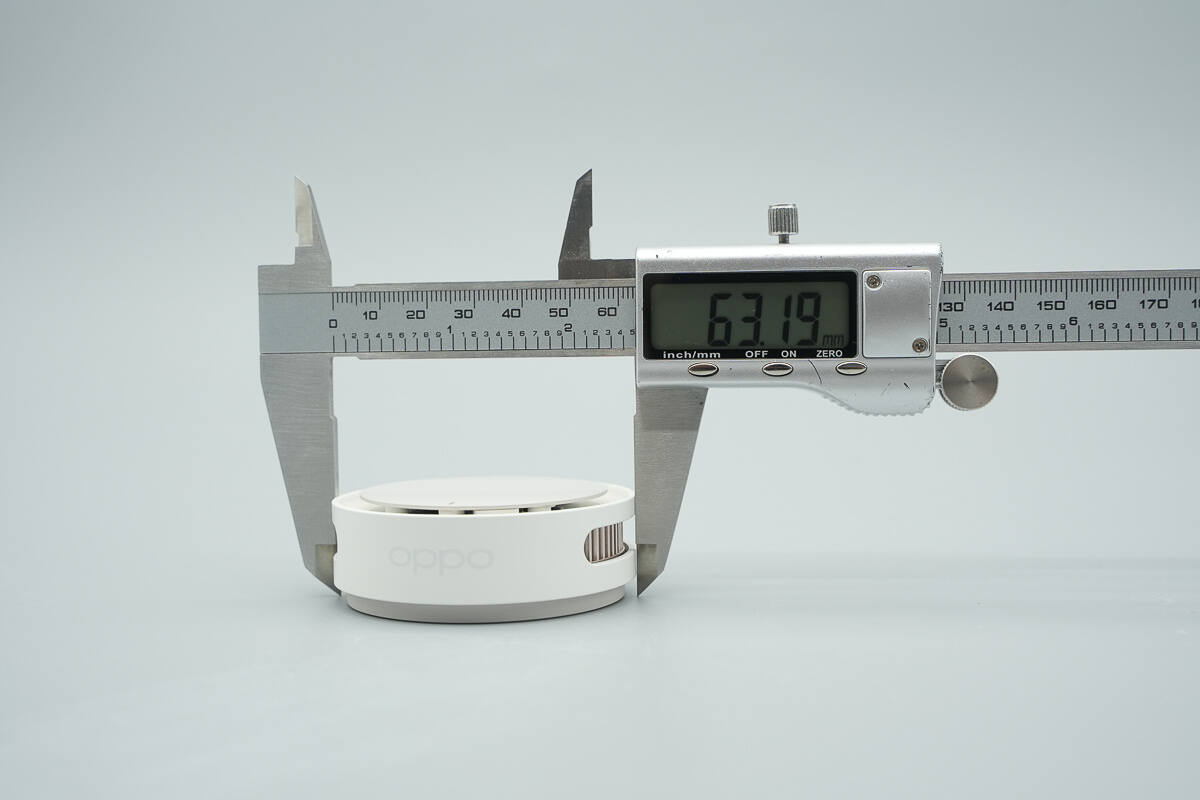
The diameter of the charger is about 63.19 mm (2.49 inches).
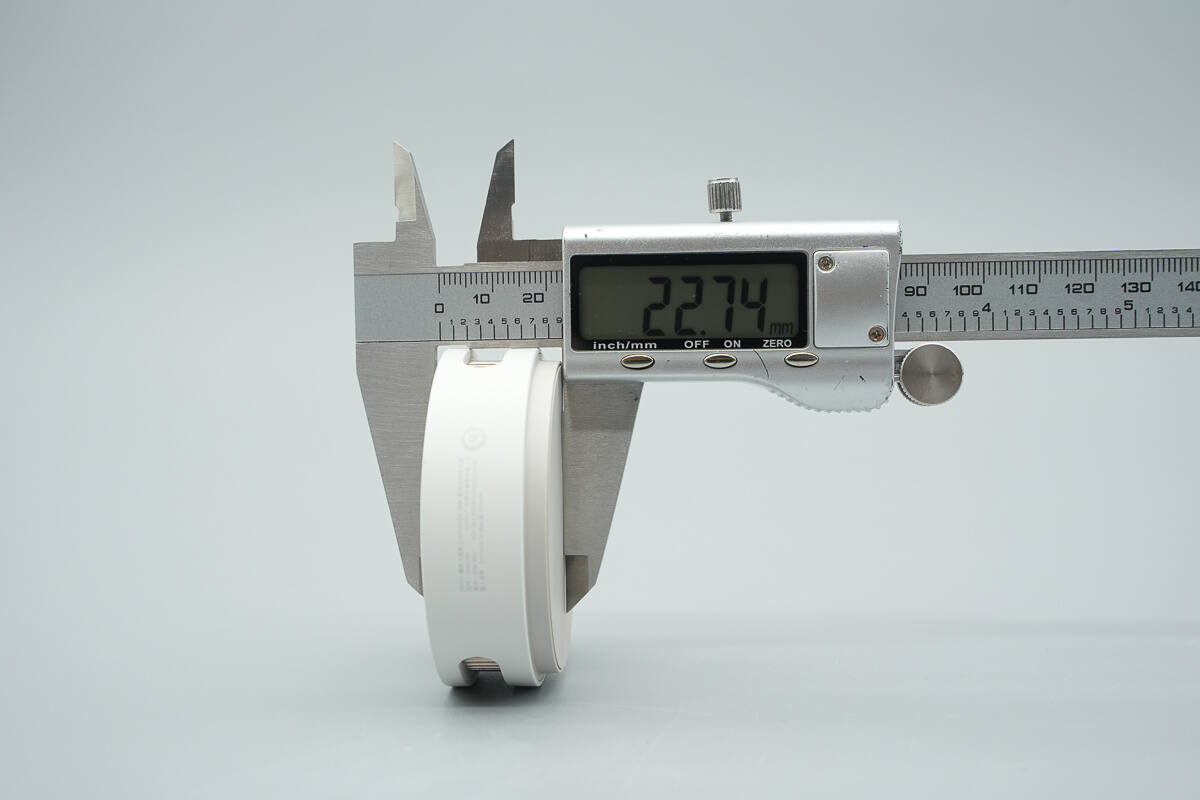
The thickness is about 22.74 mm (0.9 inches).
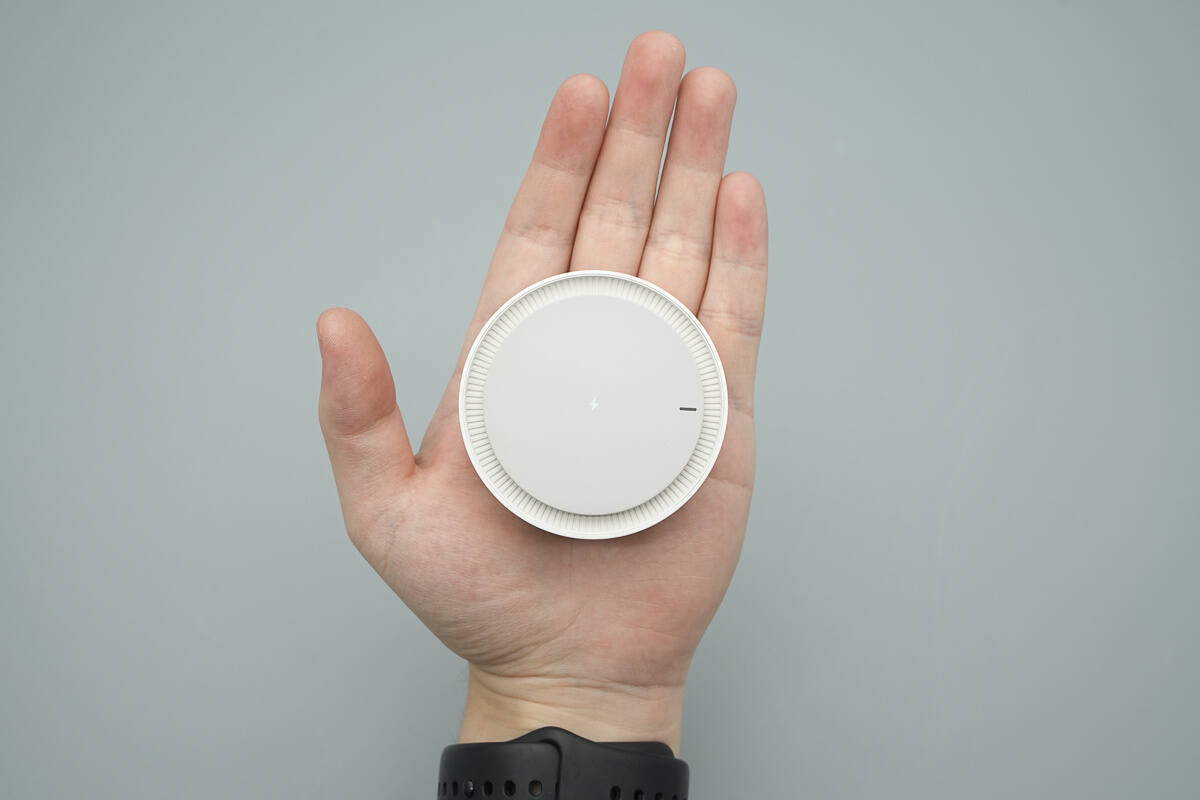
That's how big it is in the hand.
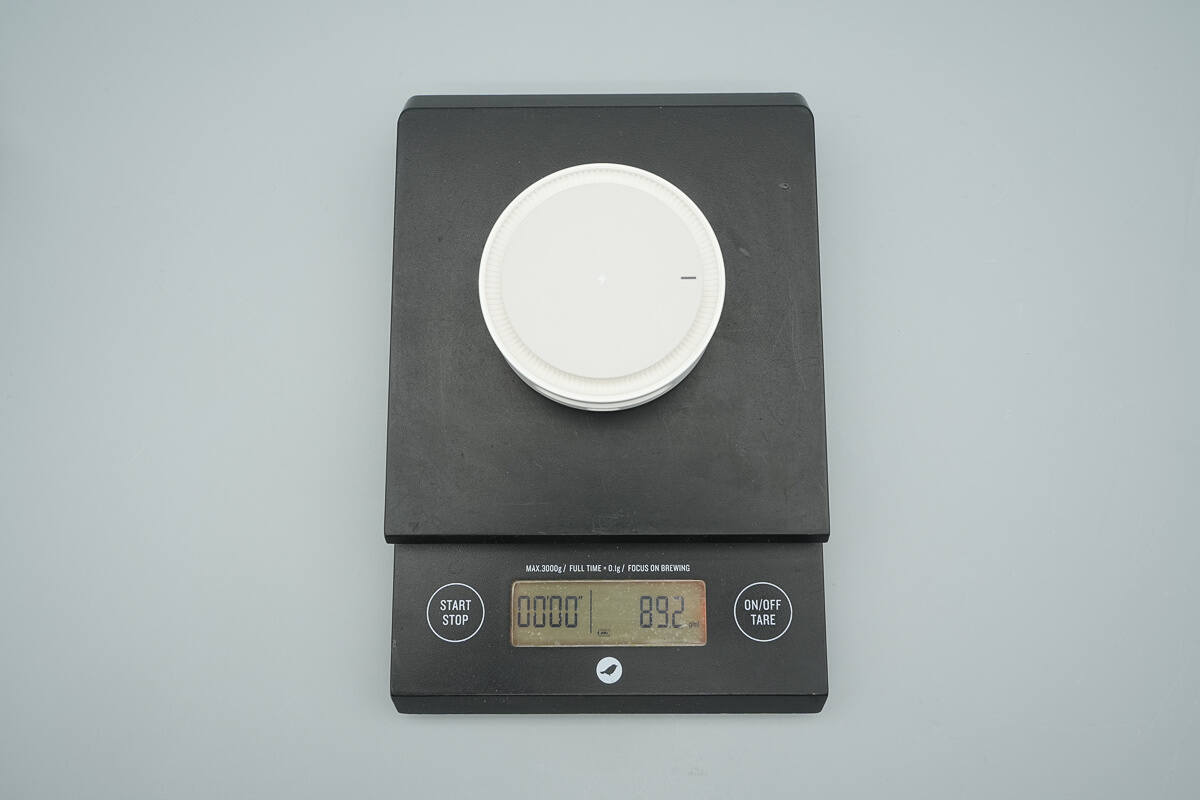
The weight is about 89 g (3.14 oz).
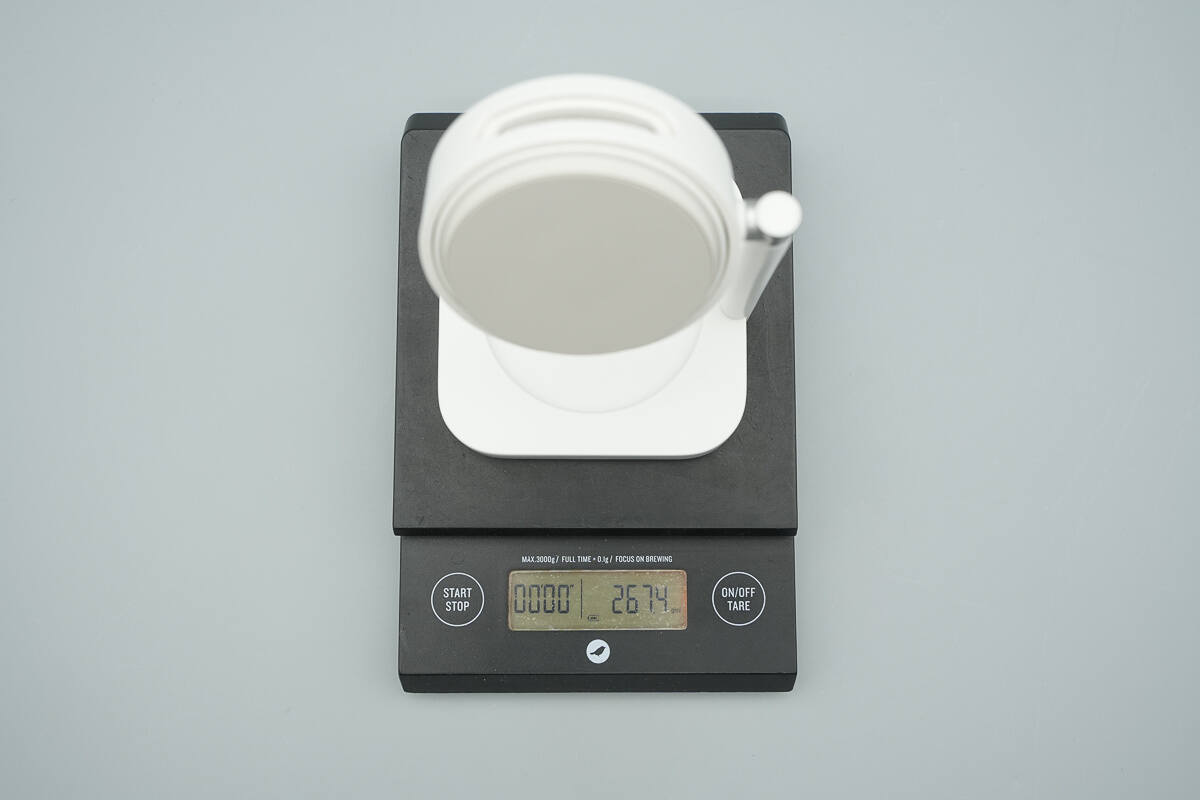
The combined weight of the wireless charger and the desktop stand is about 267 g (9.42 oz).
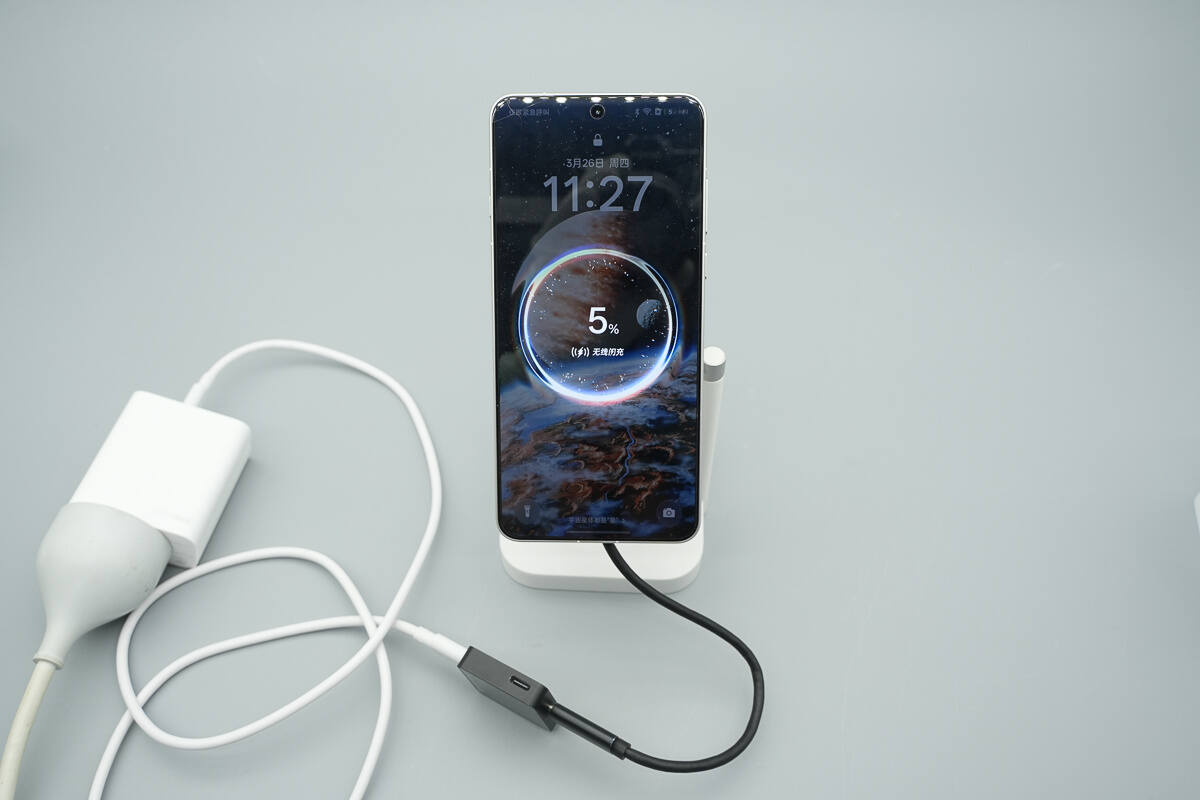
Using an OPPO 120W charger with this wireless charger in high-power mode to charge the OPPO Find X8 Ultra successfully enables wireless fast charging.
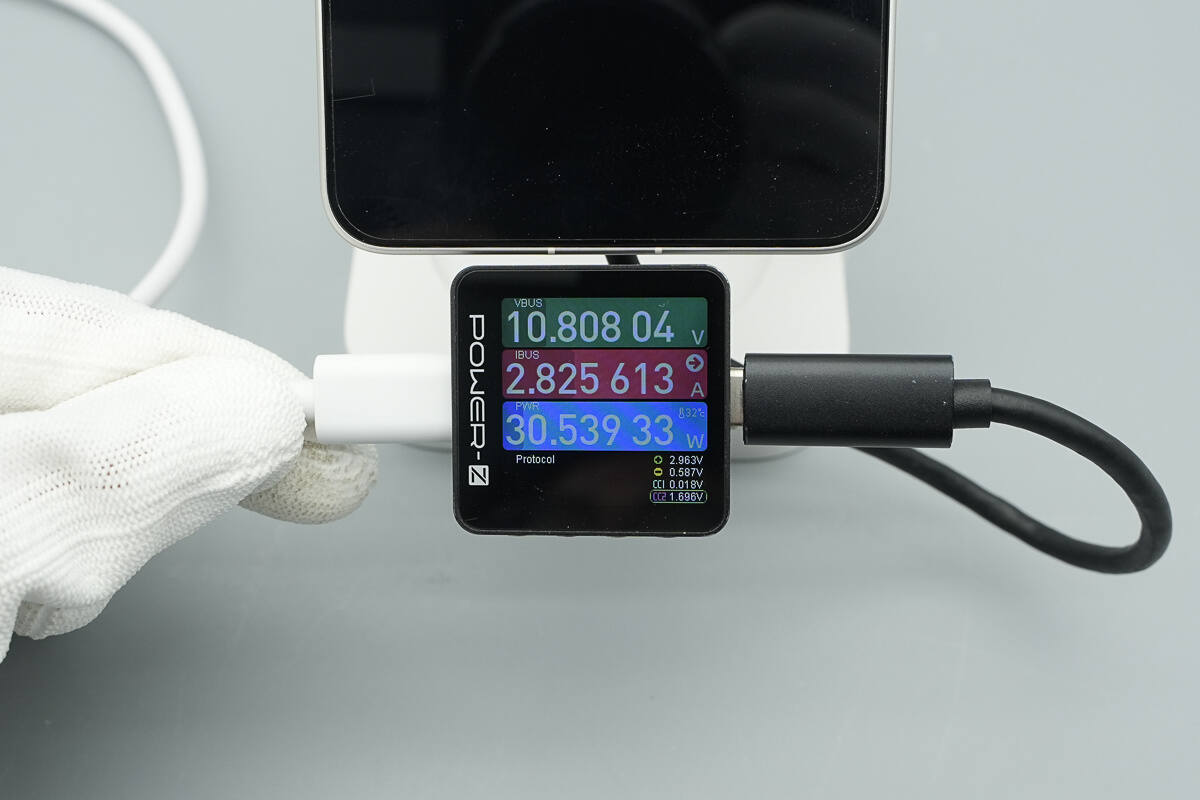
Under stable charging conditions, the input power of the wireless charger is about 30.54 W.
Teardown
Next, let's take it apart to see its internal components and structure.
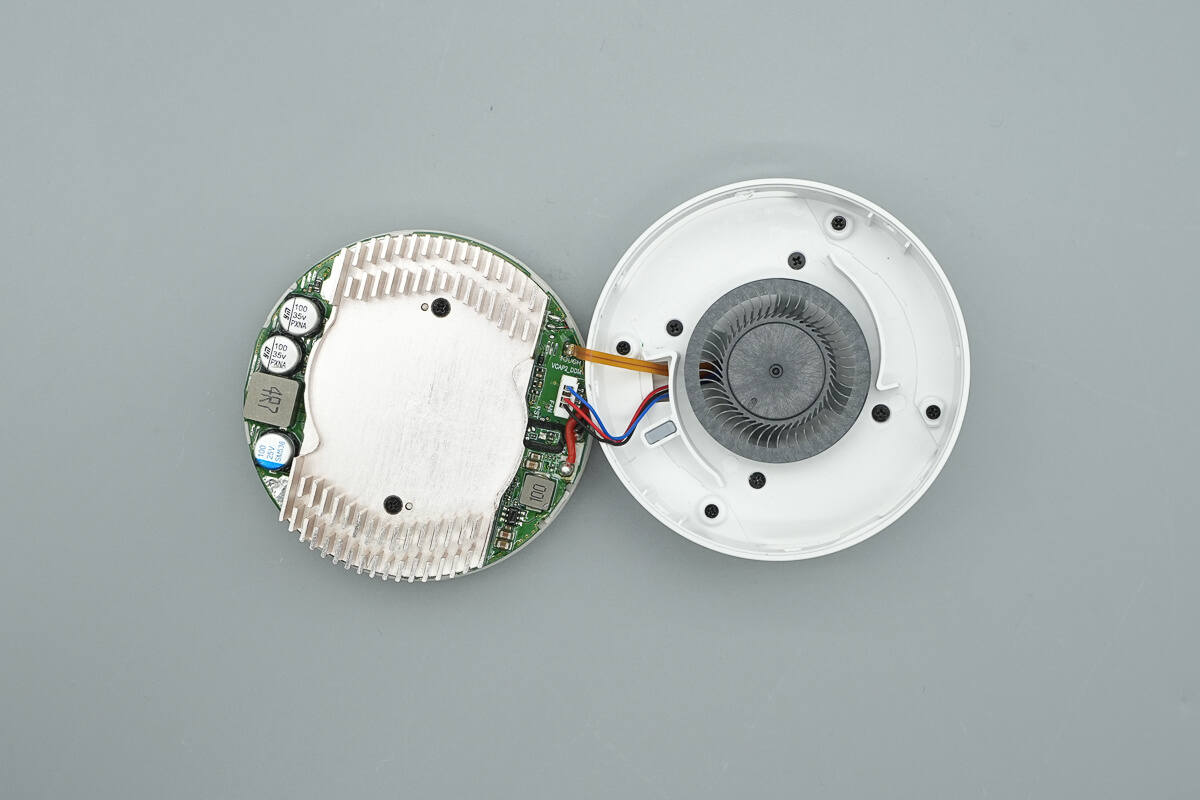
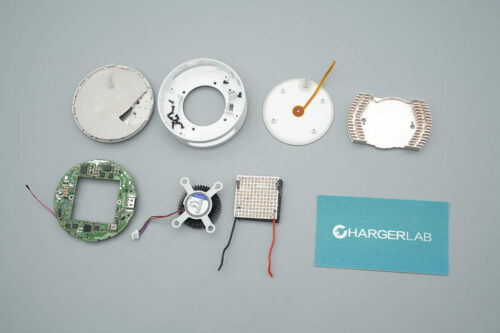
Remove the outer casing. The centrifugal fan and heat sink fin are secured with screws.
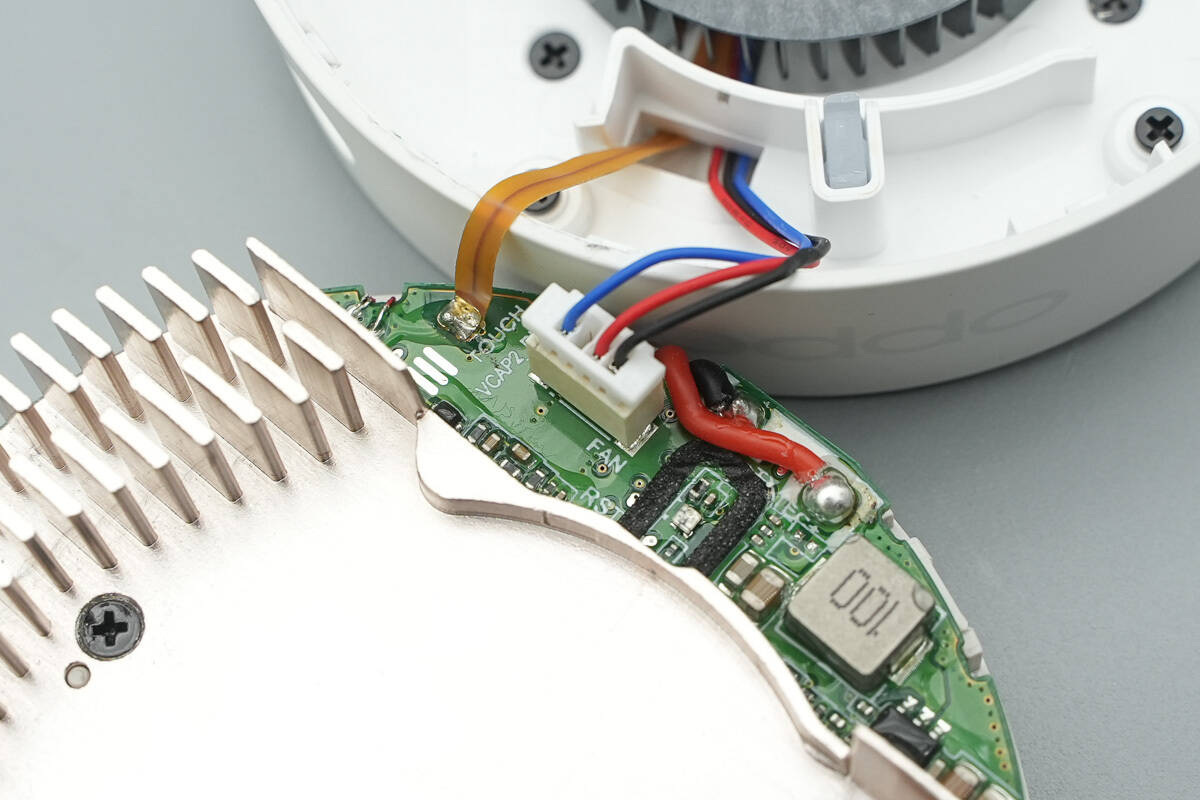
The fan is connected via a plug-and-play wire design. The touch button is connected to the PCB through a ribbon cable.
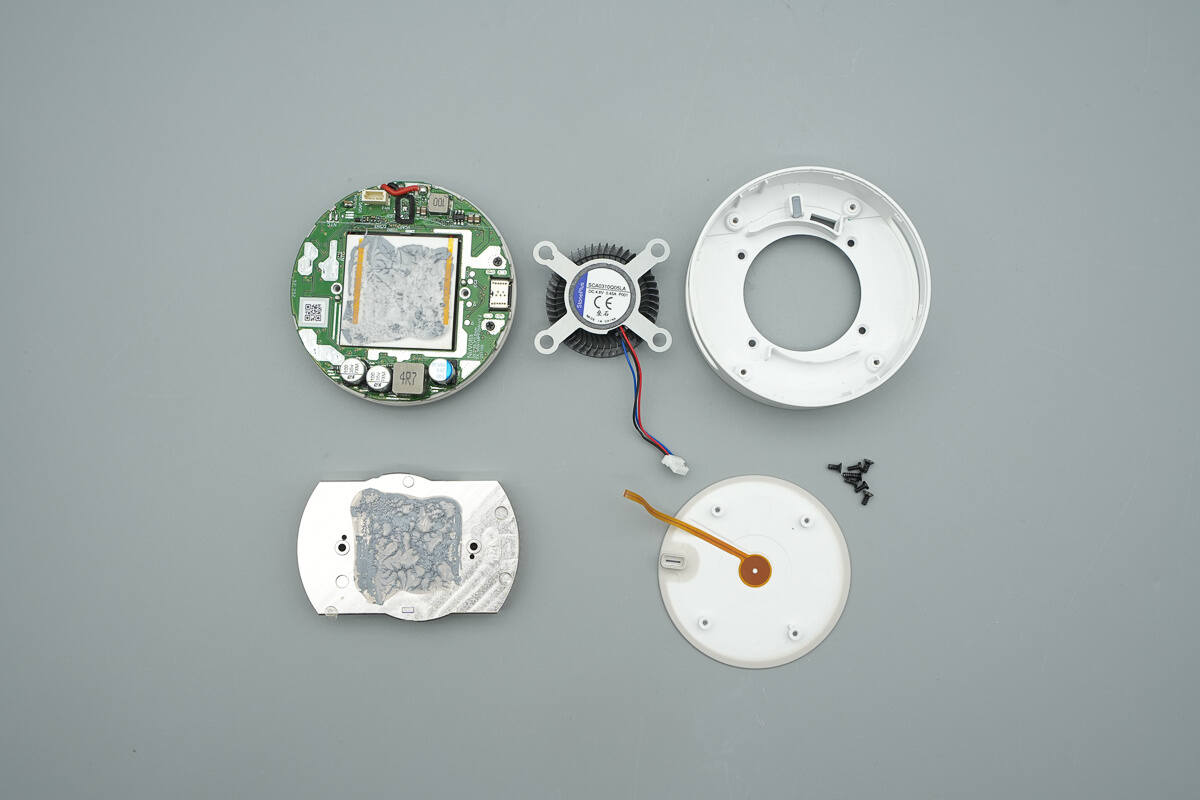
Remove the screws to separate the individual components.
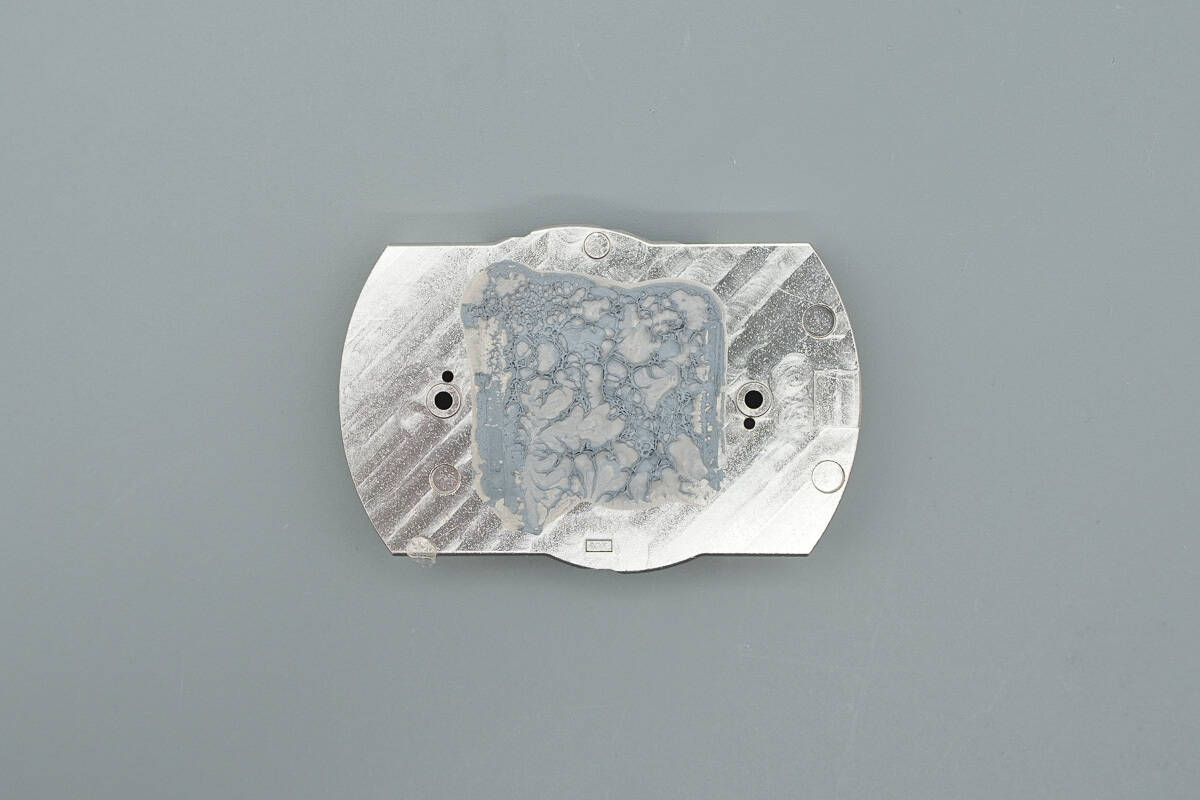
Thermal grease is applied to the side of the heat sink fins that corresponds to the TEC cooling module.
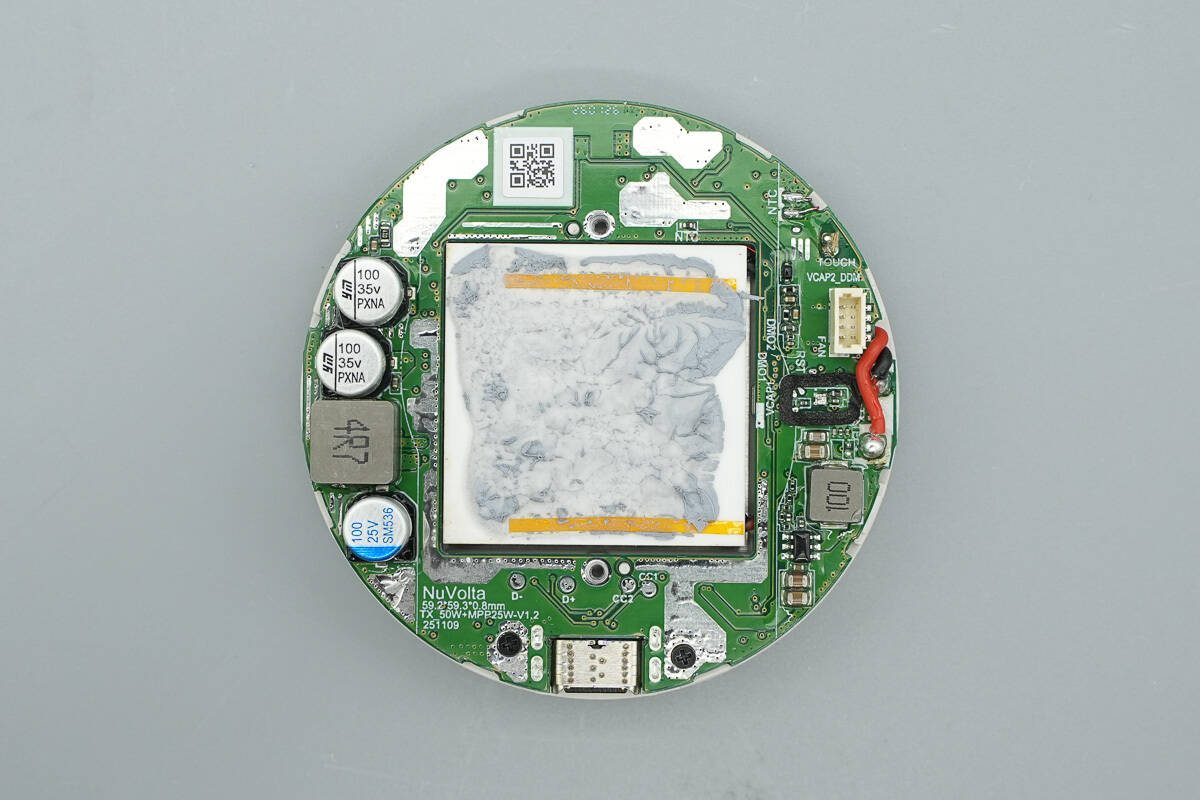
The PCB is also secured with screws, with a central cutout to accommodate the TEC cooling module.
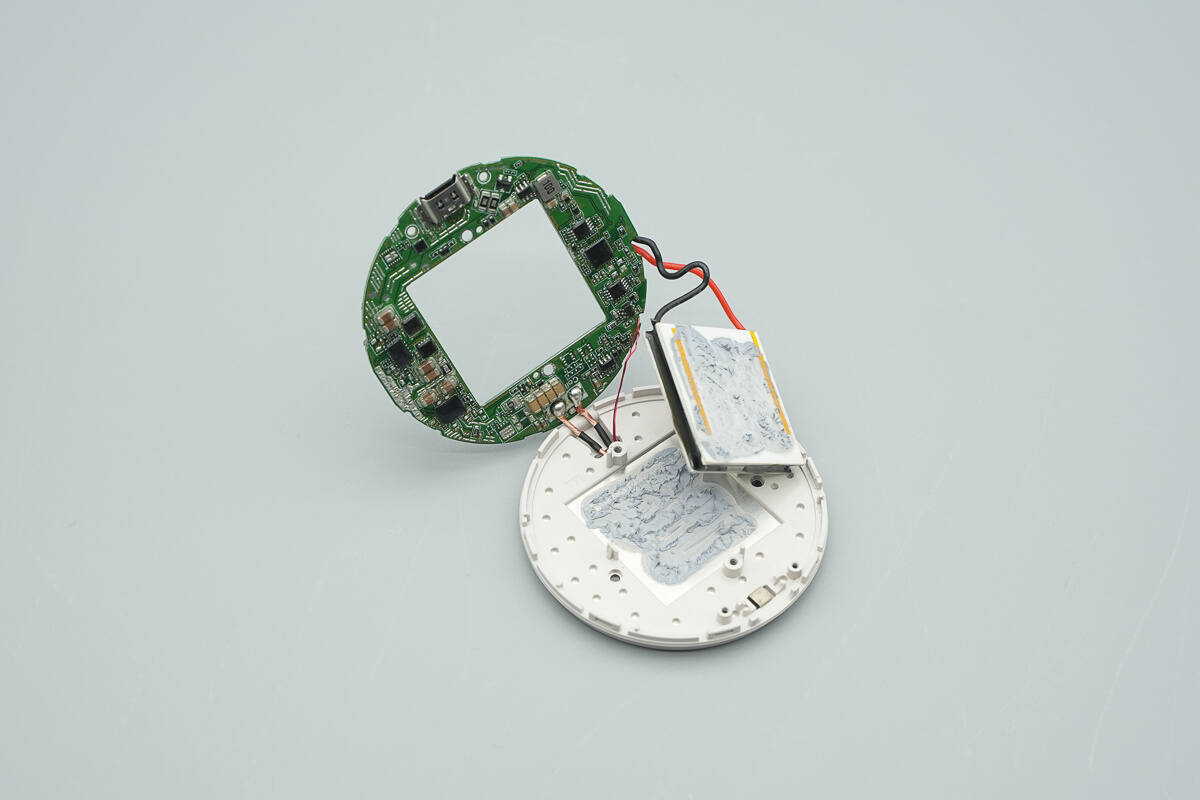
Remove the PCB. Thermal grease is applied to both sides of the cooling module.
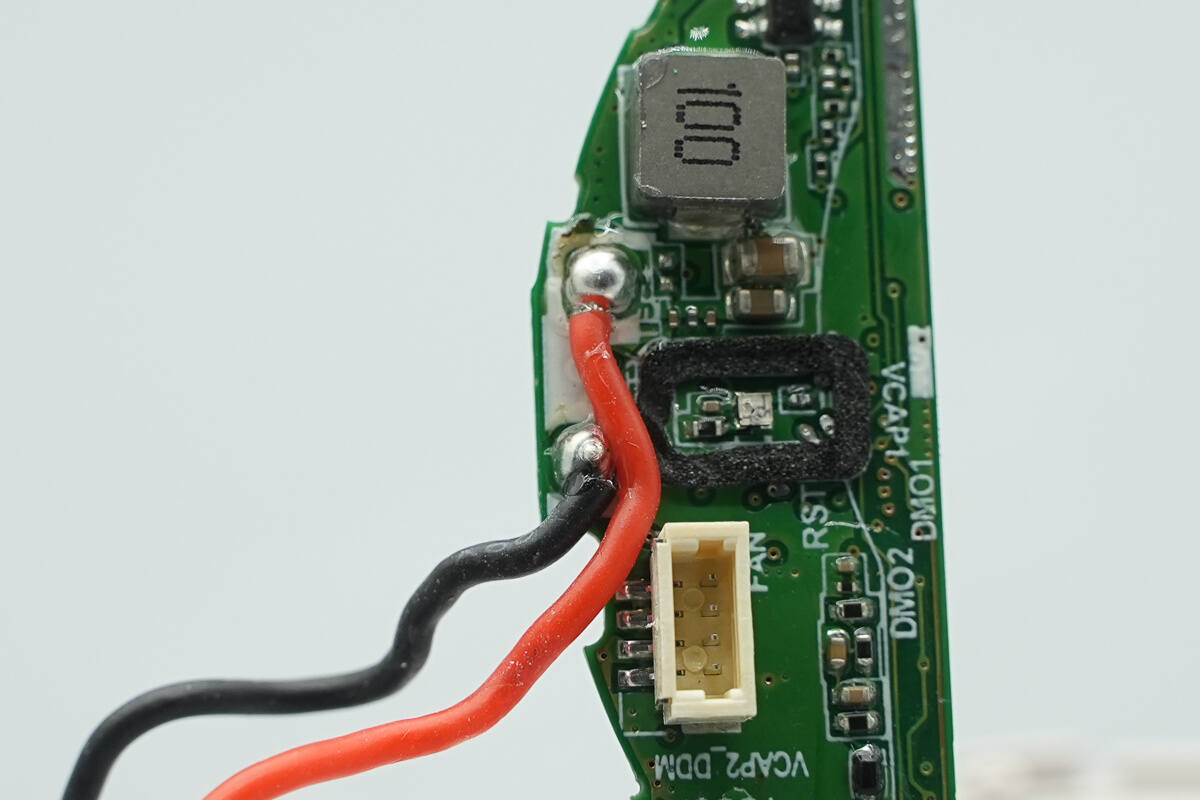
The cooling module is soldered to the PCB via wires.
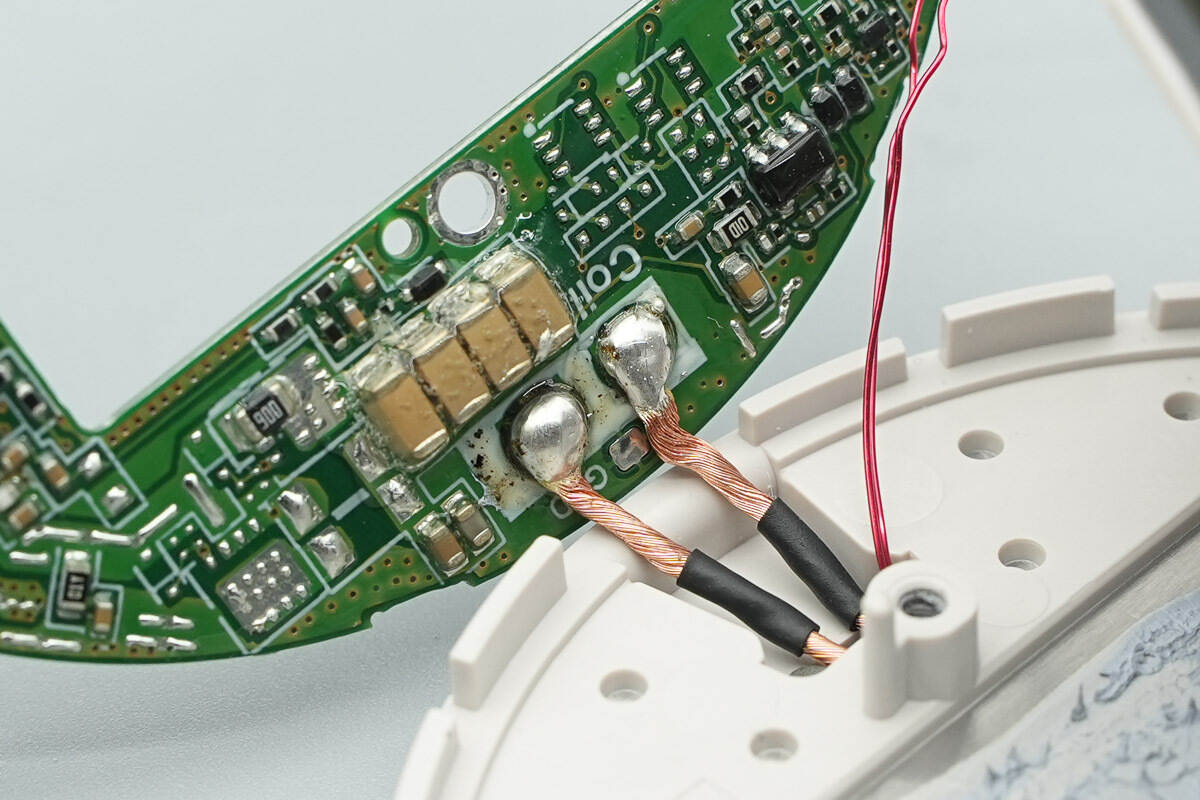
Close-up of the soldering points between the wireless charging coil and the PCB.
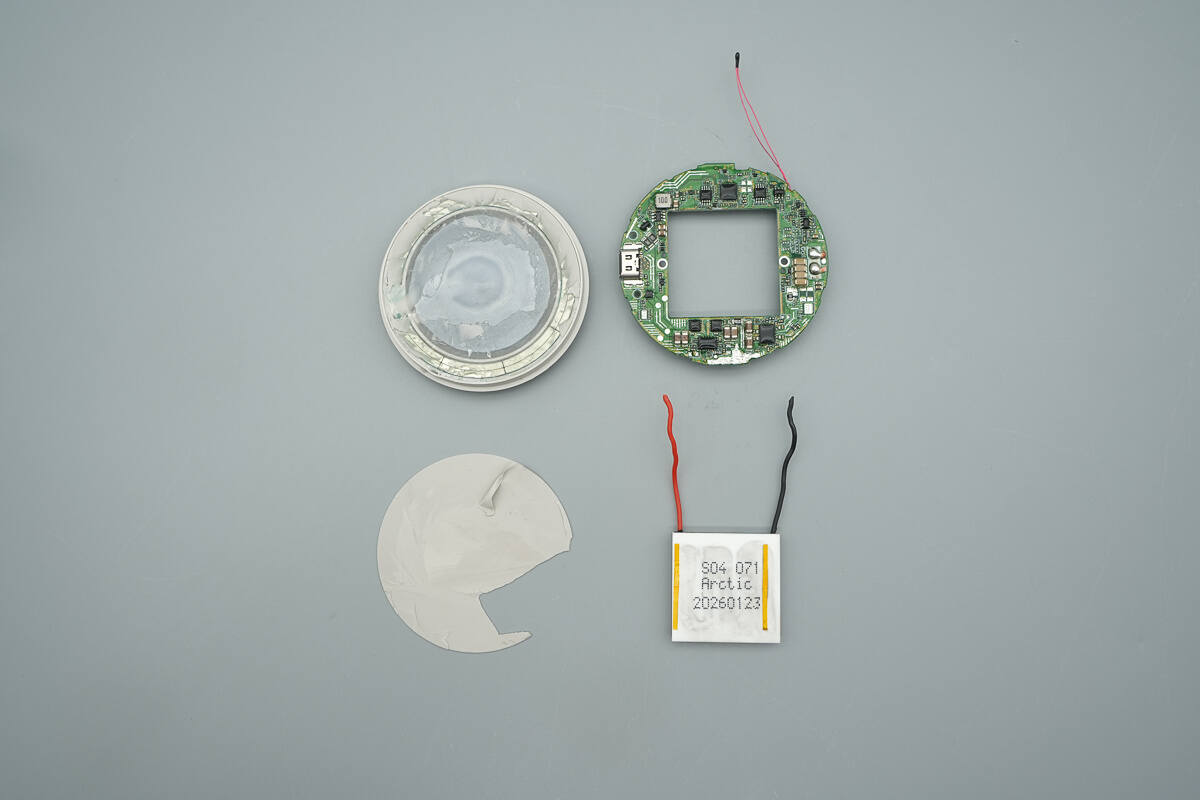
Separate the PCB, the cooling module, and the wireless charging coil.
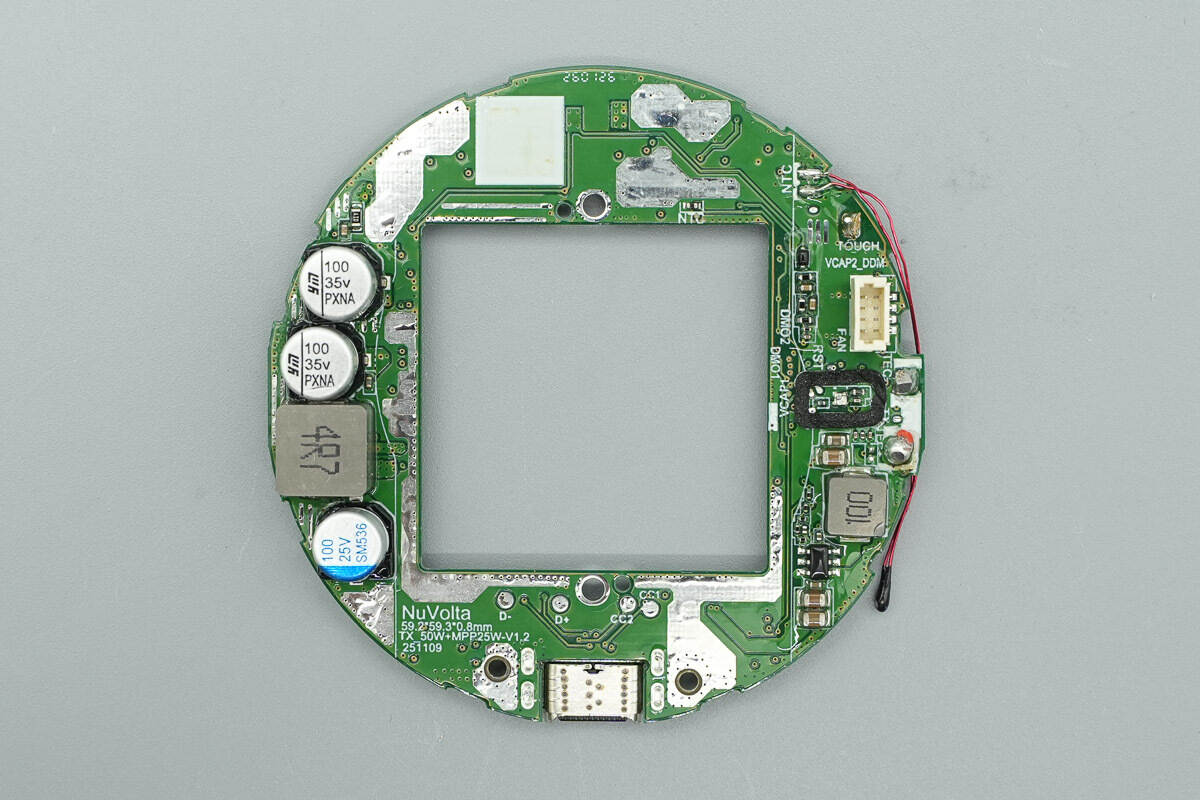
The front side of the PCB features a synchronous buck converter, inductors, filter capacitors, a thermistor, and an indicator LED.
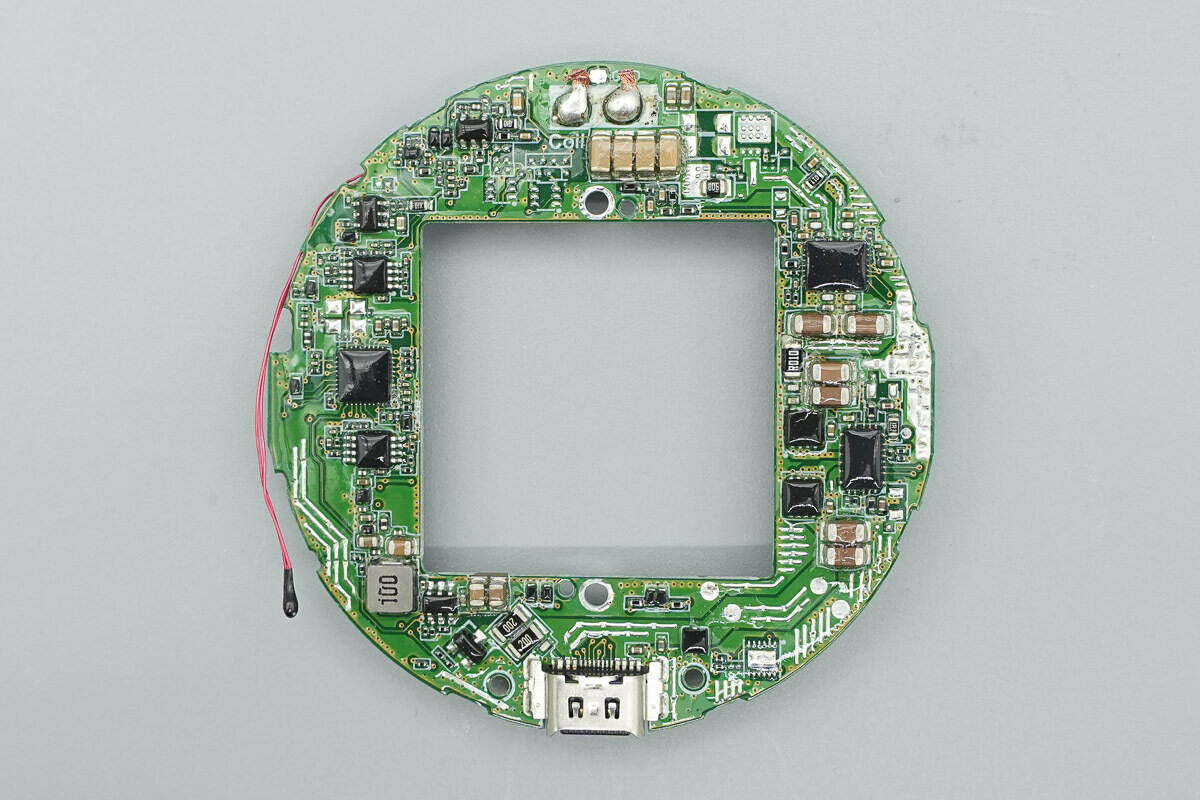
The back side of the PCB houses components such as a wireless charging master control chip, a synchronous buck-boost converter, synchronous buck-boost MOSFETs, a protocol chip, operational amplifiers, a synchronous buck converter, and an inductor.
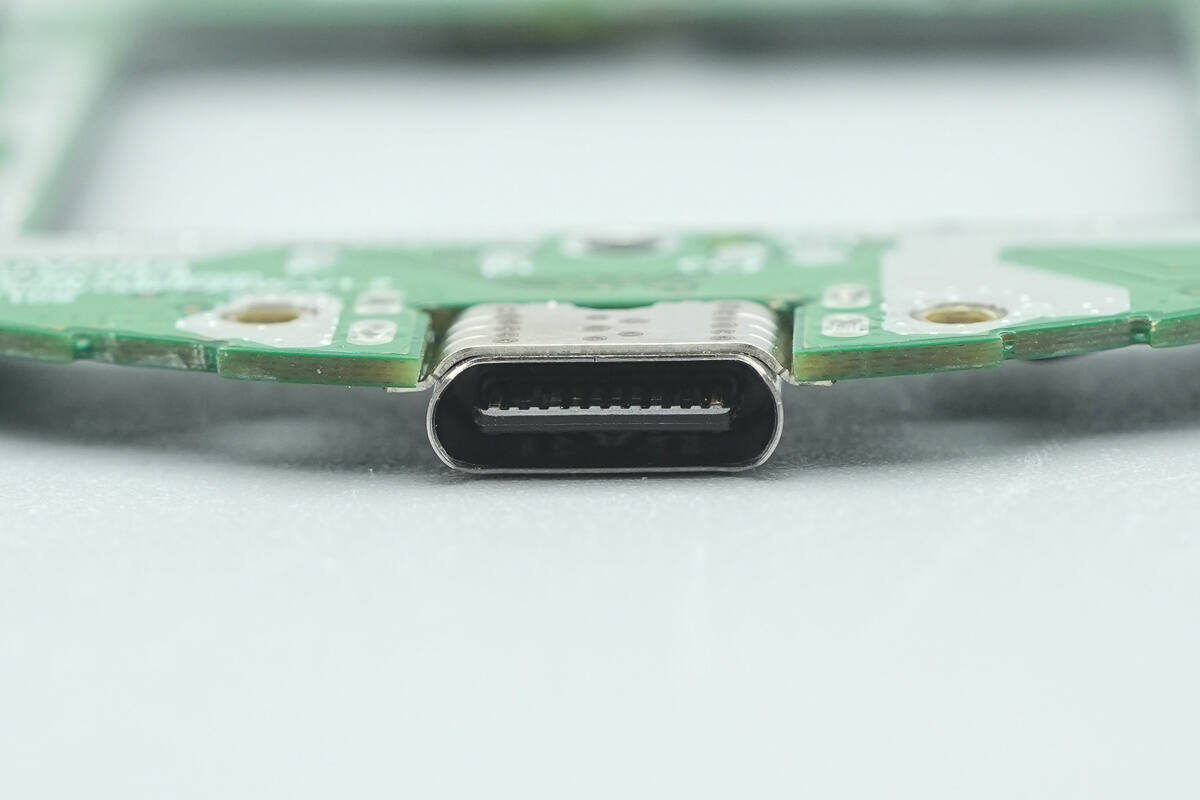
The USB-C power port is mounted with countersunk vias and soldered.
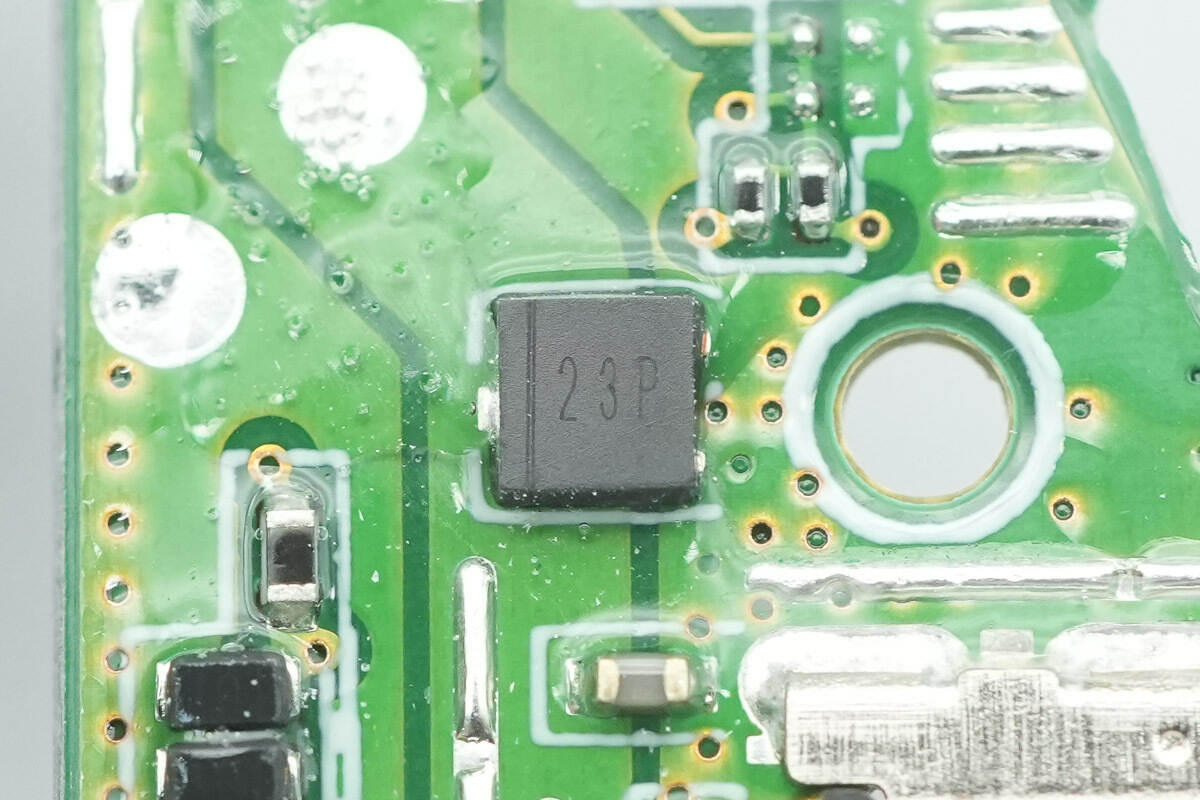
The TVS diode marked T18 is used for overvoltage protection.
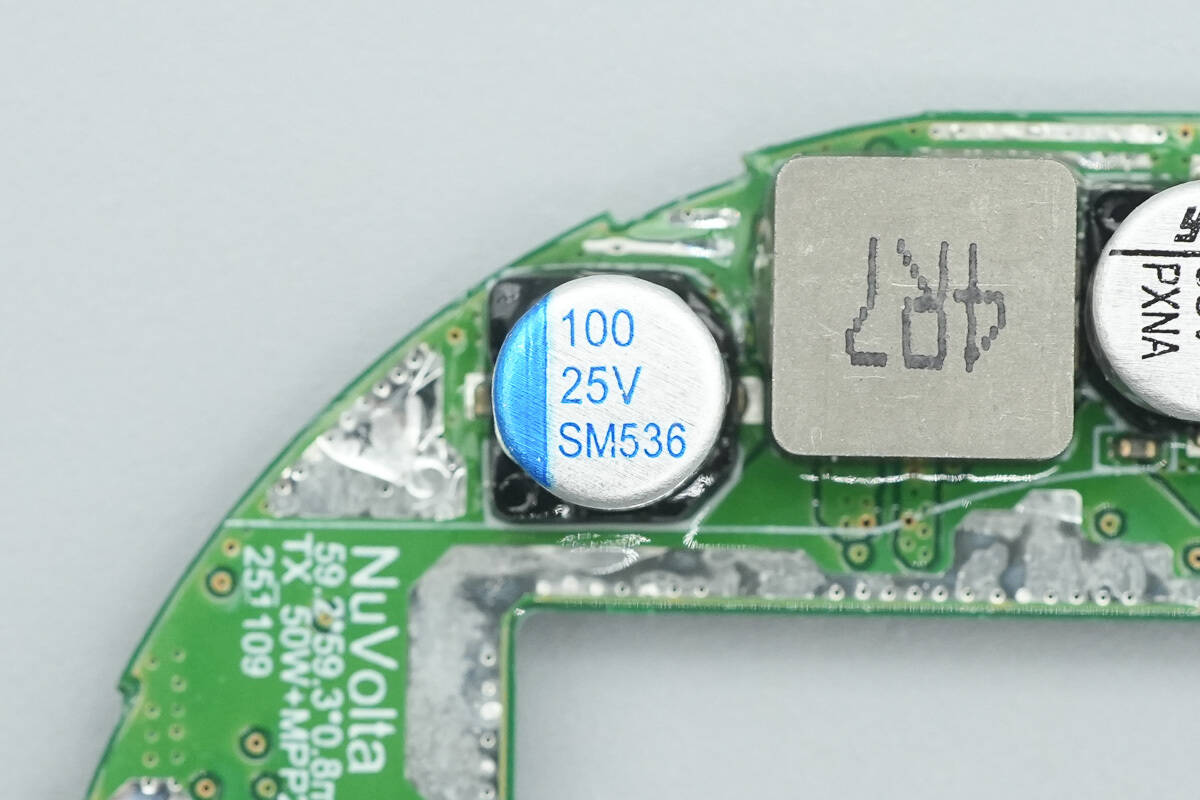
The input filter solid capacitor has a specification of 25 V, 100 μF.
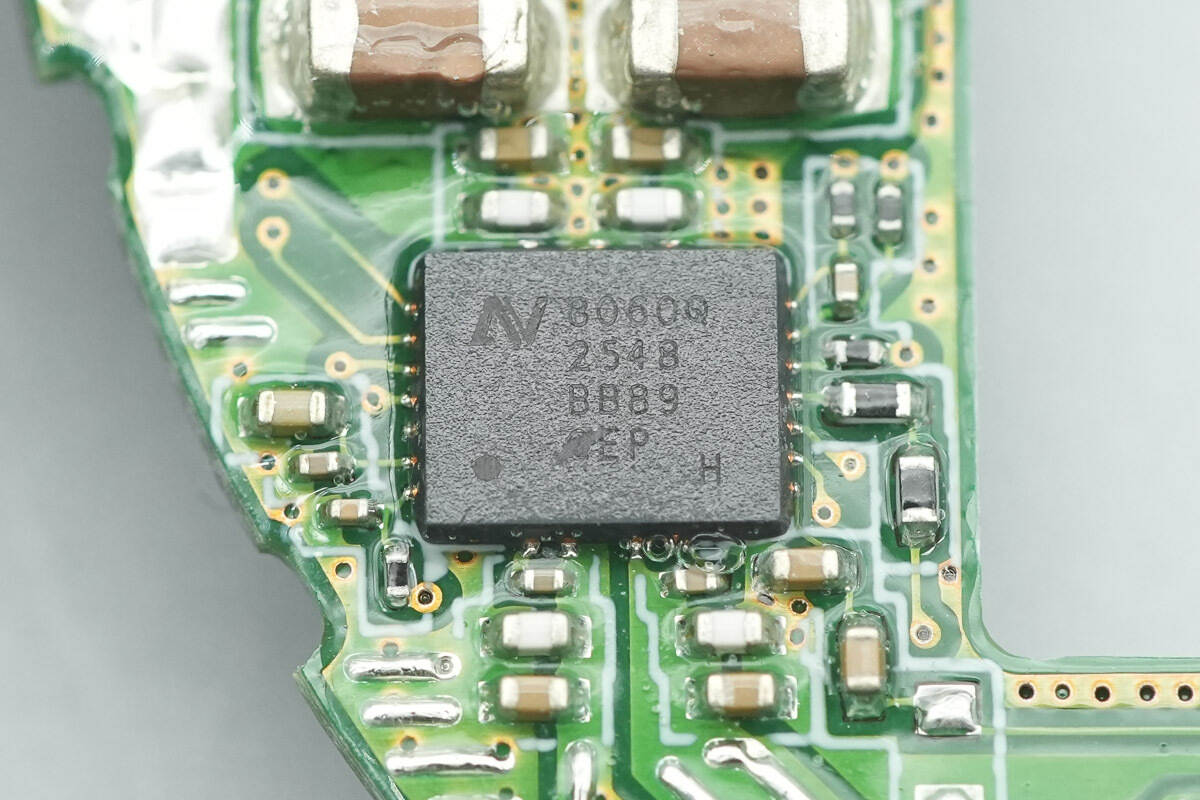
The wireless charging master control chip, from NuVolta, model NV8060Q, is a next-generation high-power, high-efficiency wireless power transmitter solution. It integrates four 12 mΩ low on-resistance power MOSFETs, providing excellent thermal performance in high-power applications.
This highly integrated chip combines efficient power MOSFETs, a low-EMI driver, bootstrap circuitry, a 5 V integrated LDO regulator, and a high-precision input current sensing circuit. Its proprietary current sensing circuit enables accurate current measurement for foreign object detection, power measurement, in-band communication, Q-factor detection, and digital demodulation.
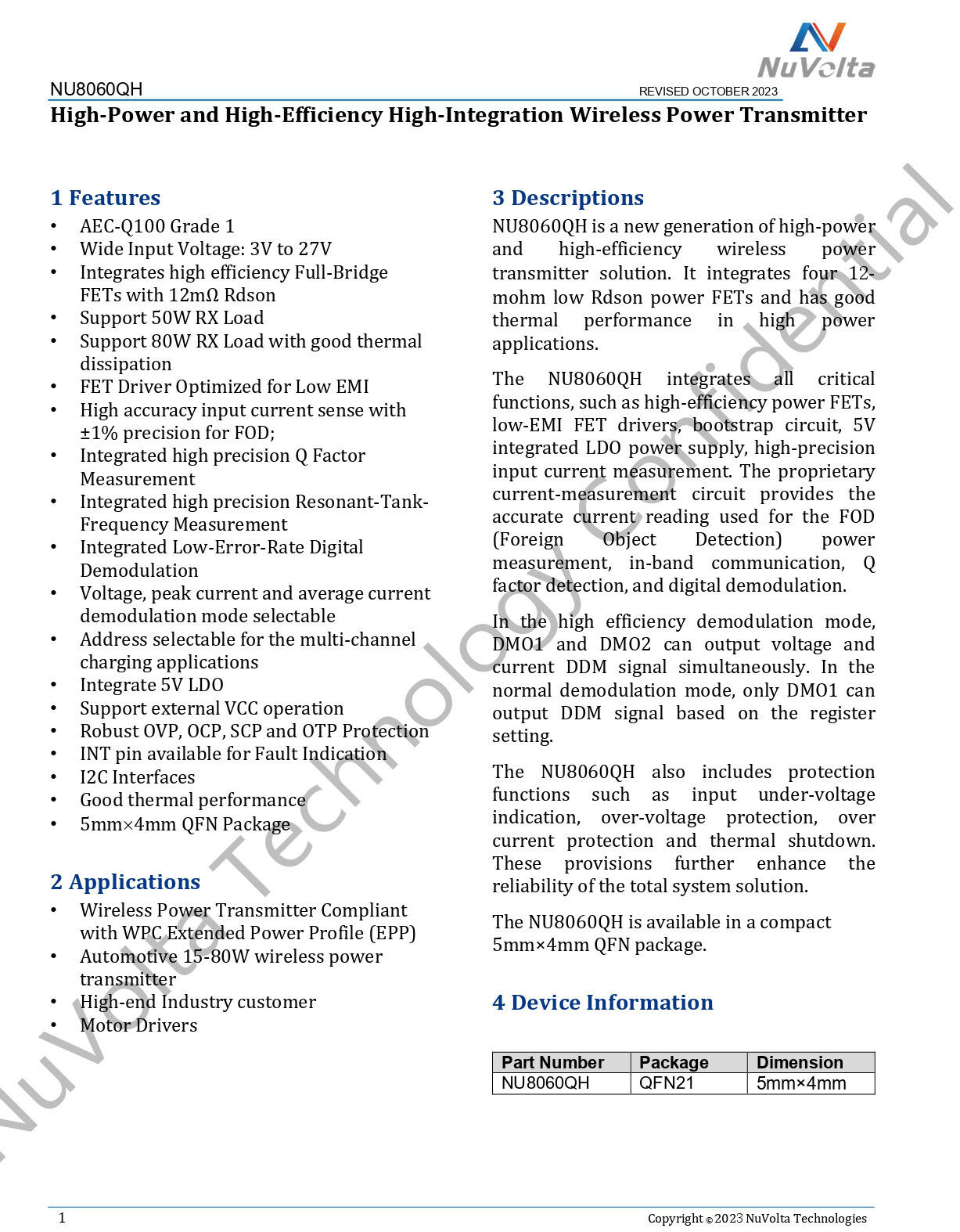
In high-efficiency demodulation mode, DMO1 and DMO2 can simultaneously output voltage and current DDM signals. In standard demodulation mode, the DDM signal can be configured via registers to be output only by DMO1.
The NV8060Q also integrates multiple protection features, including input undervoltage indication, overvoltage protection, overcurrent protection, and thermal shutdown, further enhancing the reliability of the system solution. The chip comes in a compact 5 mm × 4 mm QFN package.
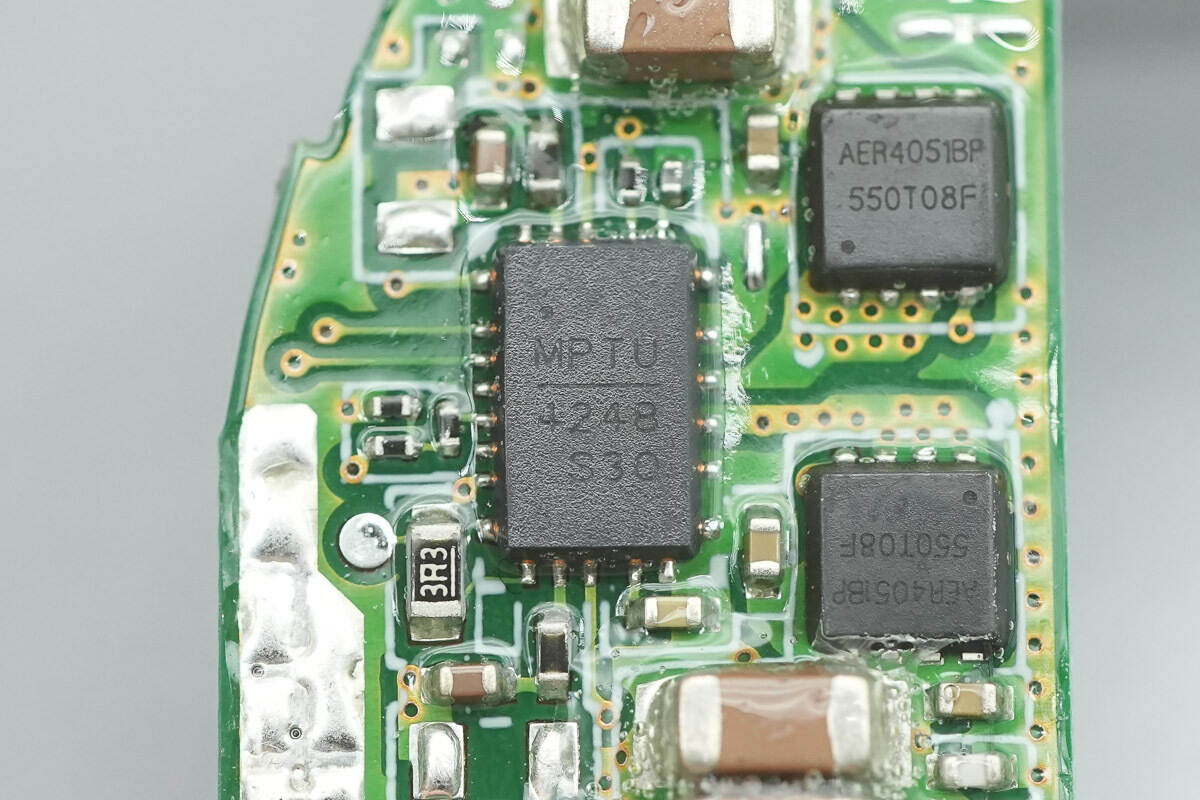
The synchronous buck-boost converter is from MPS, model MP4248. It integrates two NMOSFETs and an internal driver for an external PMOSFET, supporting up to 140 W output power. It operates with a 36 V input and output voltage and can interface with the protocol chip via I²C. The device comes in a QFN 3 × 5‑20 package.
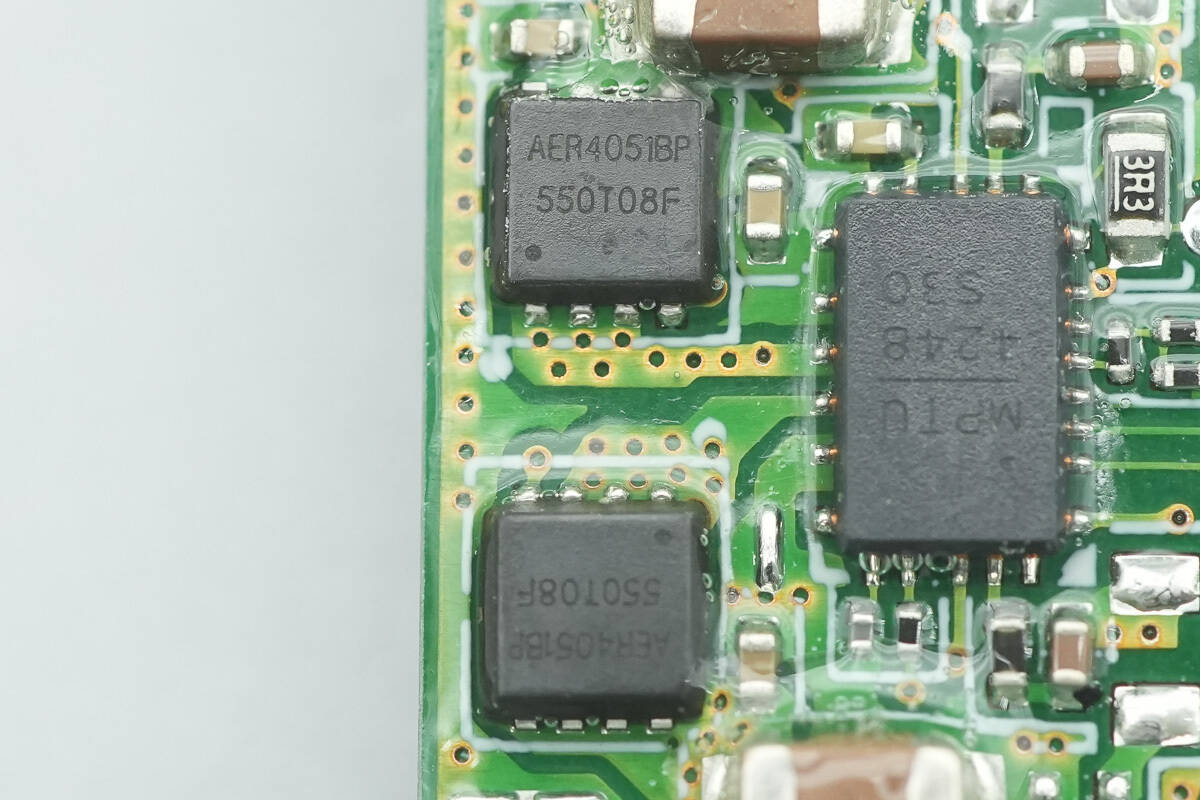
The two synchronous buck-boost MOSFETs are from ALLEPIC, model AER4051BP. They are NMOS devices with a 40 V voltage rating and 5.1 mΩ on-resistance, packaged in PDFN3030.
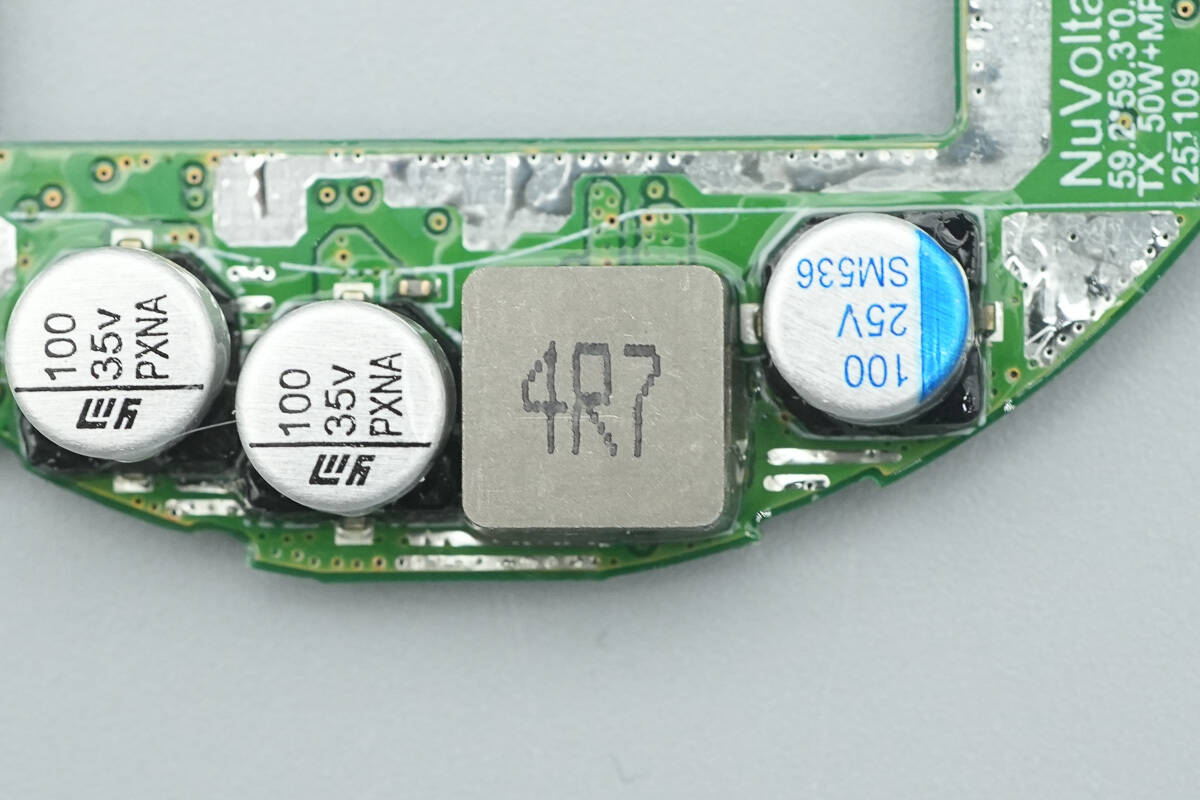
Close-up of the 4.7 μH alloy inductor.
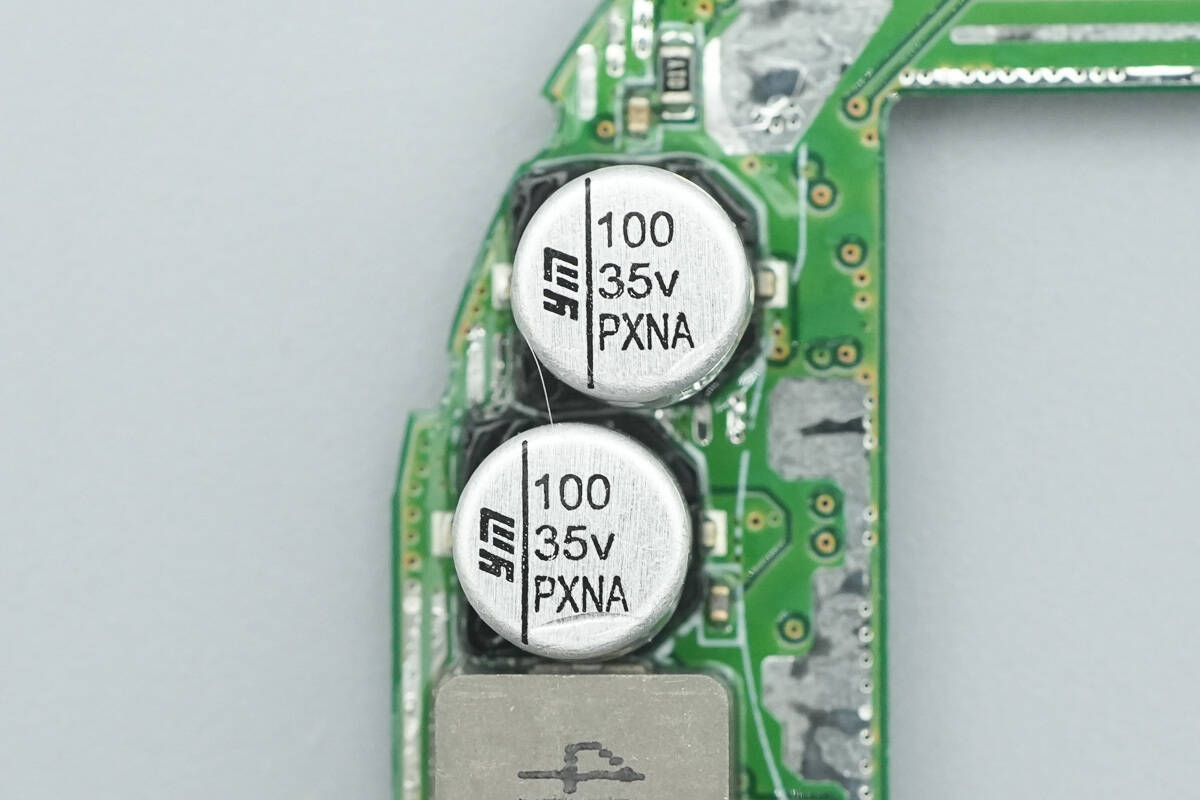
The two boost-output filter solid capacitors are from YMIN, each rated at 35 V, 100 μF.
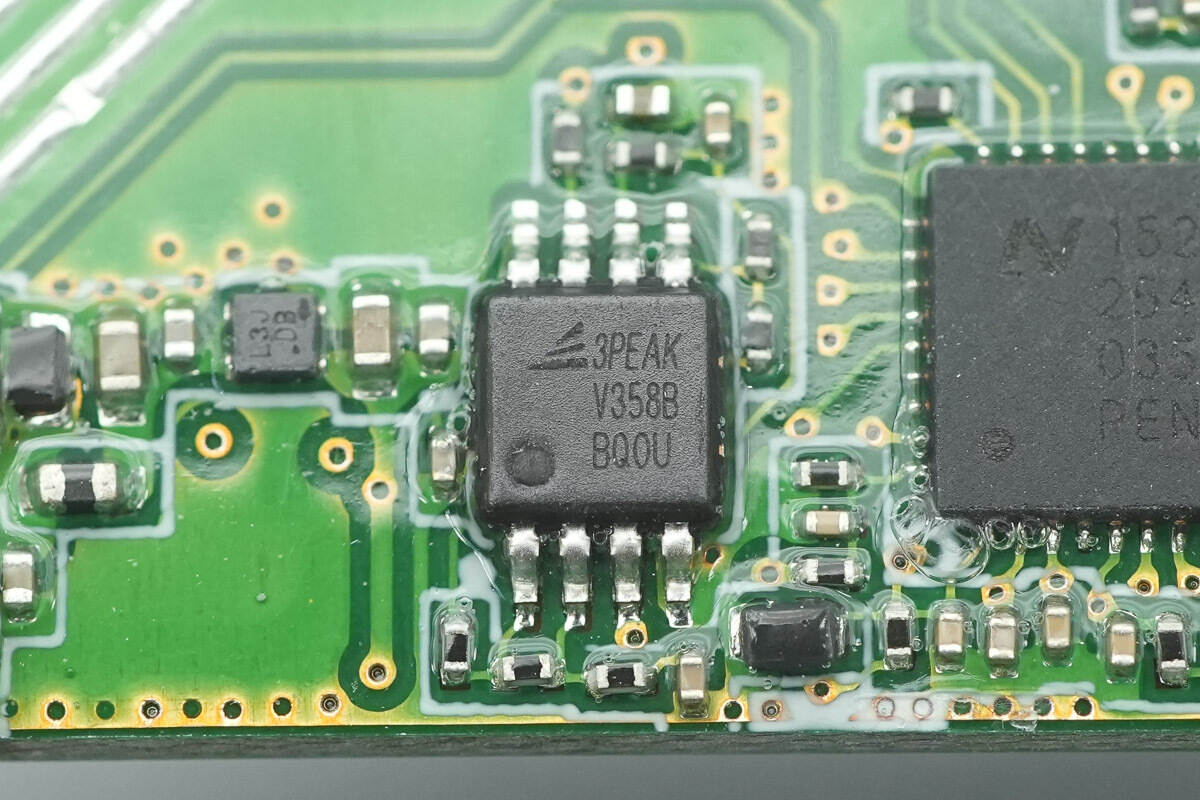
The dual operational amplifier used for signal demodulation is from 3PEAK, model LMV358B. It supports rail-to-rail input and output, offers a high output current of 100 mA, and comes in an MSOP-8 package.
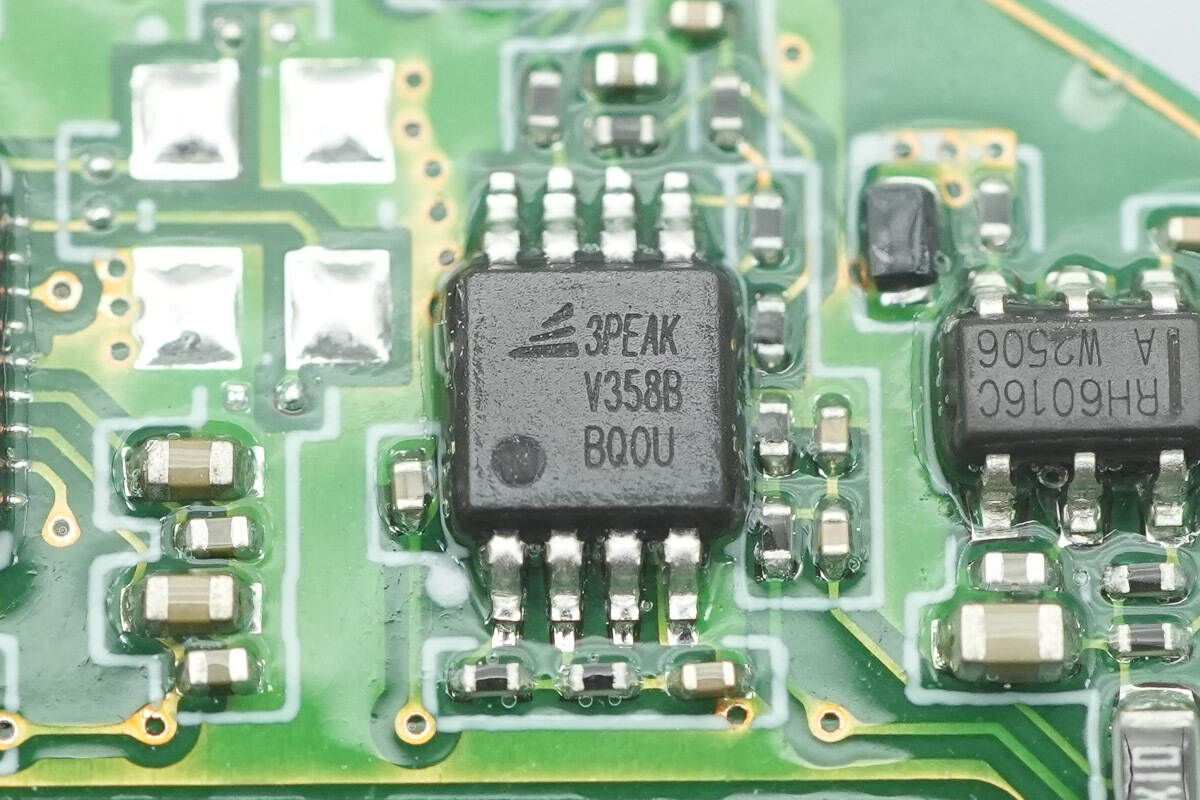
The other dual operational amplifier has the same part number.
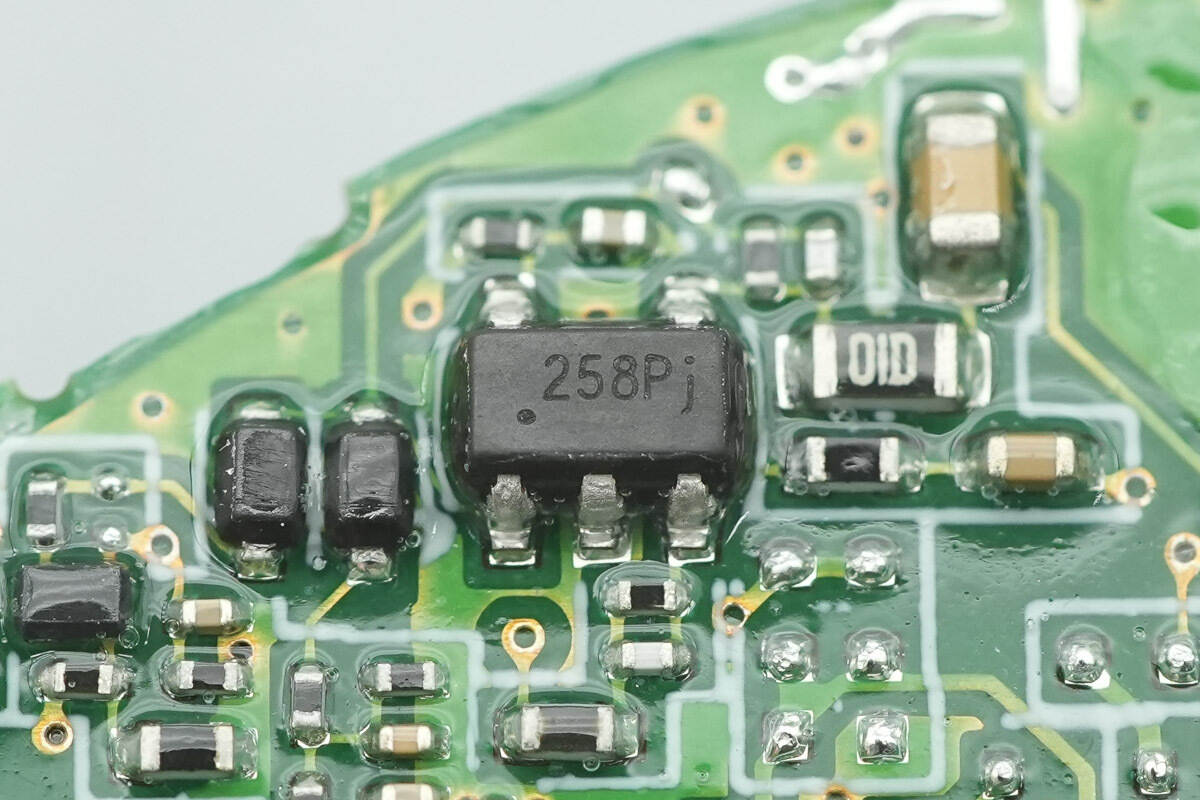
The single operational amplifier is also from 3PEAK, model TP2581. This series features low offset voltage, low power consumption, and stable high-frequency response. Utilizing 3PEAK’s proprietary patented design, it achieves excellent AC performance while consuming only 3 mA of quiescent current per channel, with a 10 MHz bandwidth, 8 V/μs slew rate, and 100 ns overload recovery time.
The TP258X series delivers outstanding THD+N performance within the audio signal range, making it ideal for motor control and audio amplification applications.
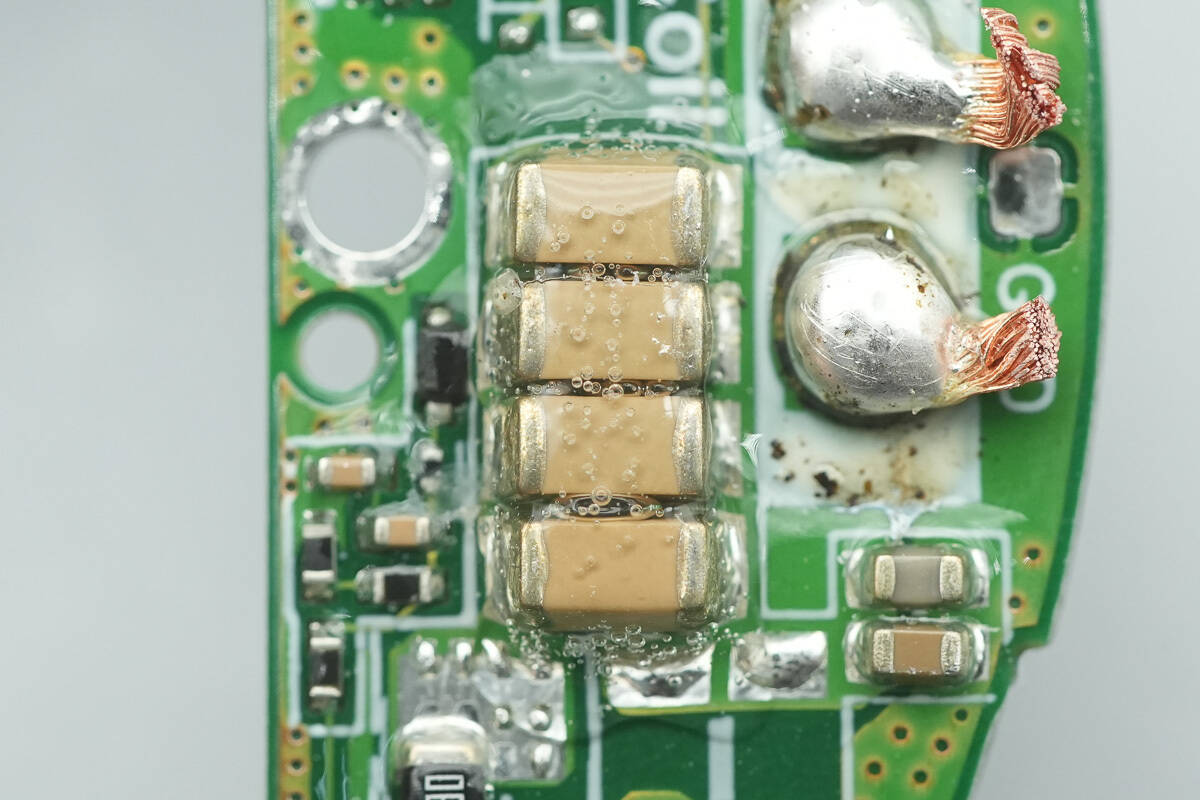
Close-up of the NPO resonant capacitors.
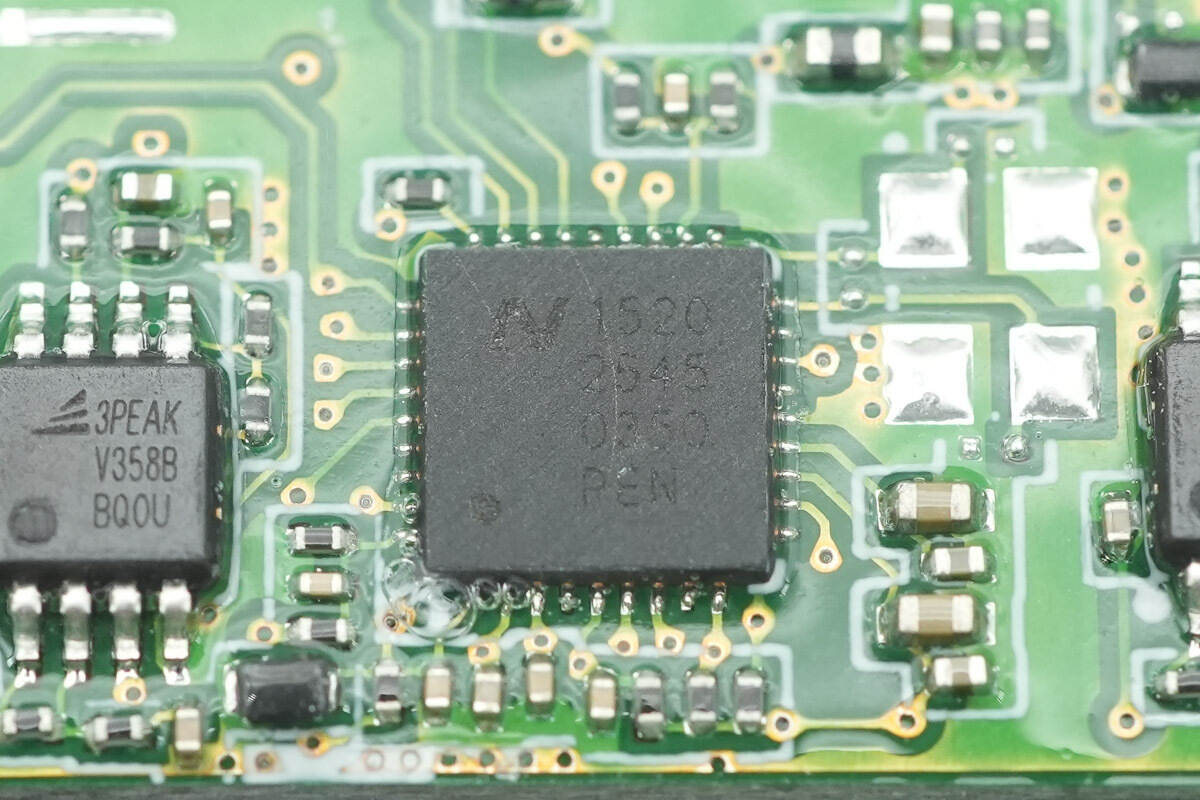
The protocol chip is from NuVolta, model NU1520. It integrates a 32-bit MCU running at 36 MHz, with 128 KB of flash memory and 8 KB of SRAM. It provides wireless charging drive signal output, features an 11-channel low-speed ADC and a single high-speed ADC, and includes a 1.5 V LDO regulator.
The NU1520 operates over a 2.5–5.5 V supply voltage, offers I²C master/slave interfaces, two UART interfaces, and supports the PD 3.1 fast-charging protocol. It is also compatible with BC1.2, UFCS, QC 3.0, SCP/FCP, and AFC fast-charging protocols, and includes thermal shutdown protection. The chip comes in a QFN36 package.
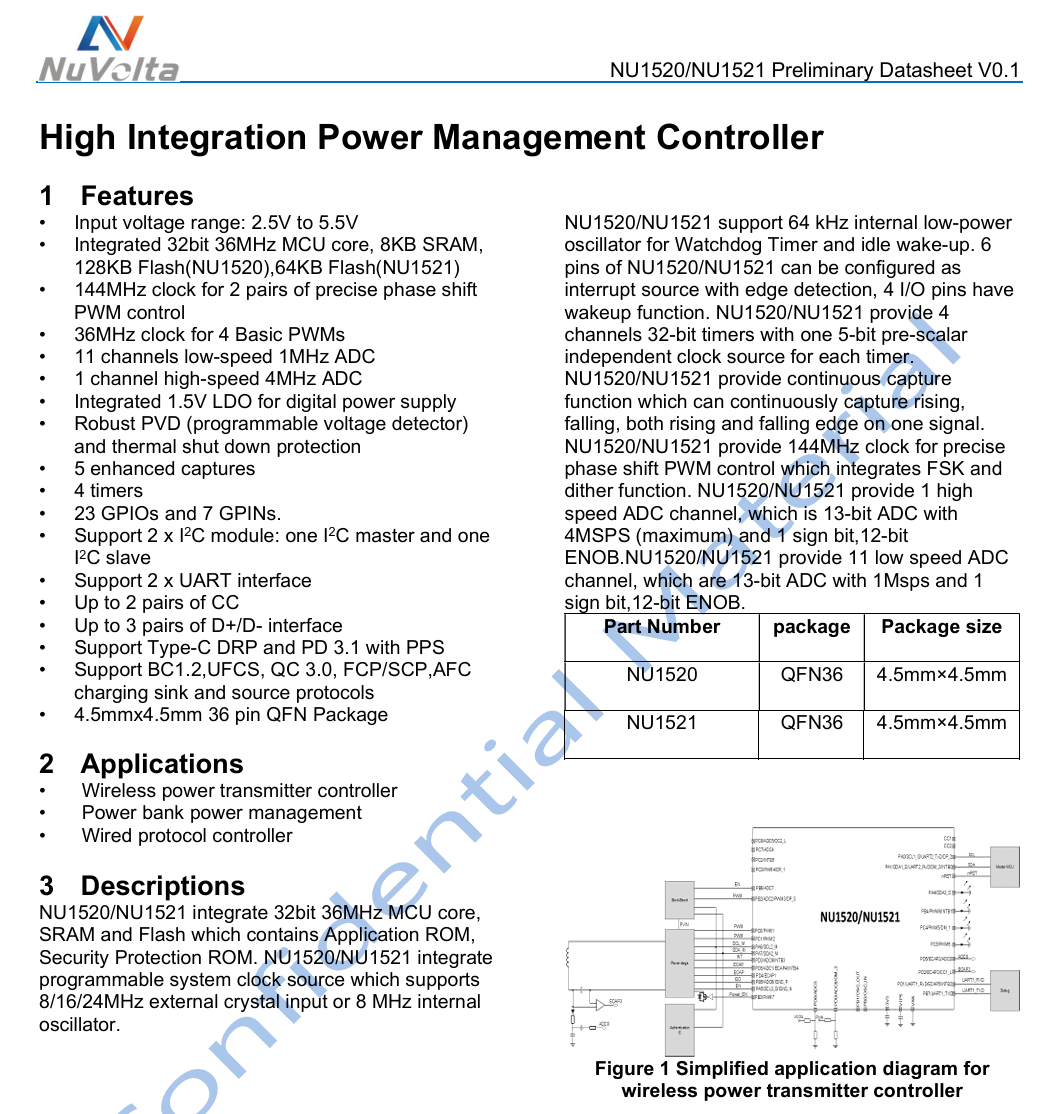
Here is the information about NuVolta NU1520.
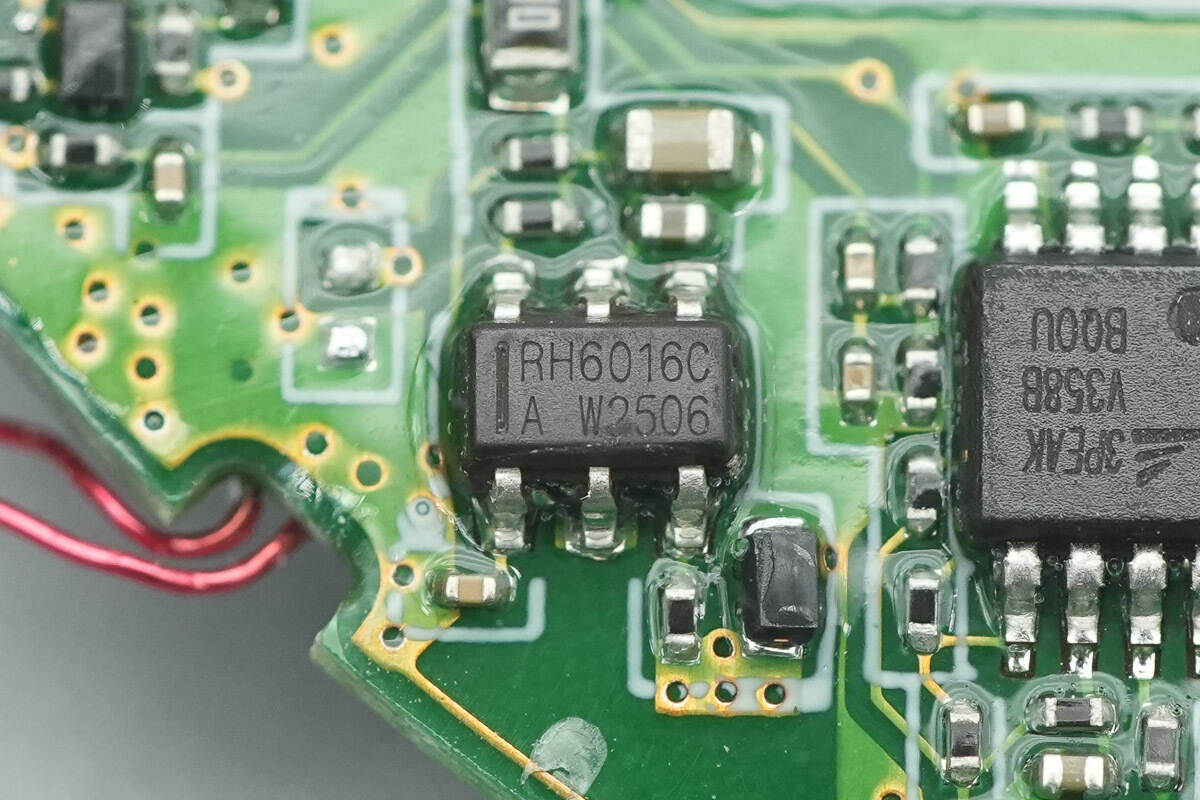
The chip used for detecting touch operations is from Ronghe, model RH6016C. It is a single-channel capacitive touch sensing chip with an integrated voltage regulator, featuring high-precision regulation, power-on reset, low-voltage reset, and hardware debounce, along with other anti-interference measures.
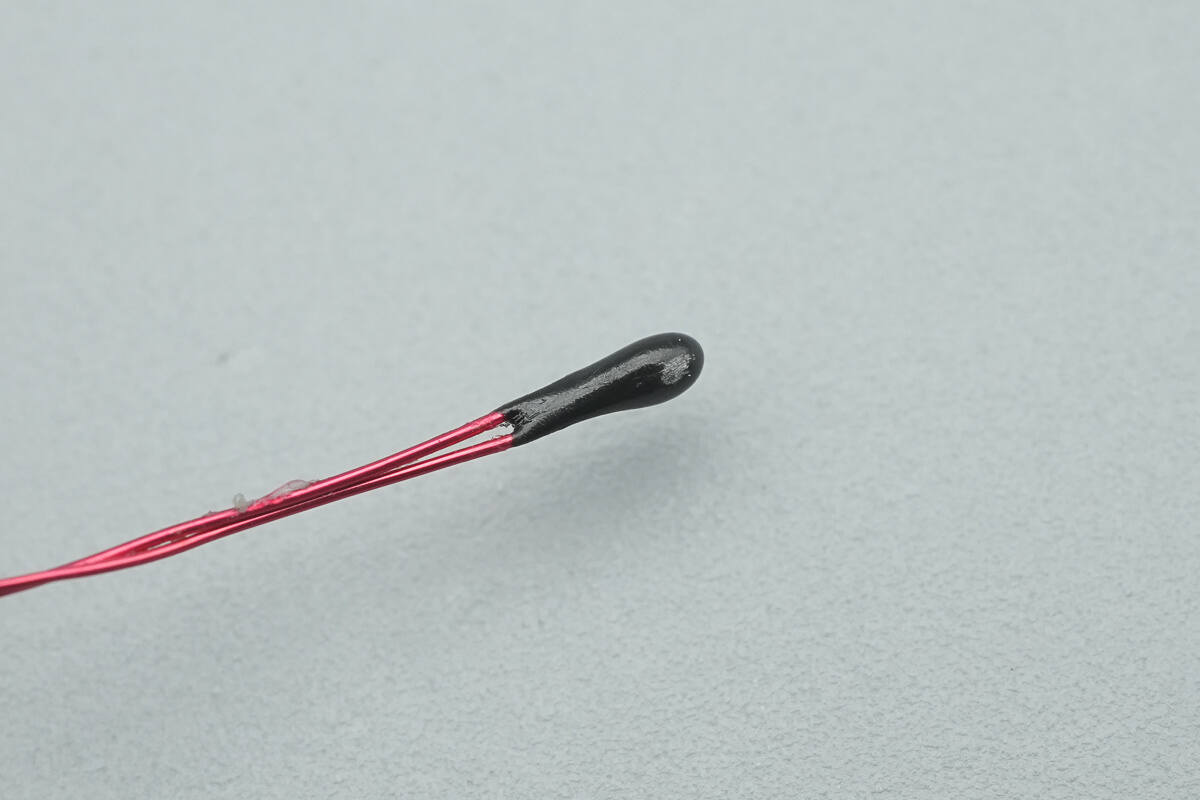
Close-up of the thermistor.
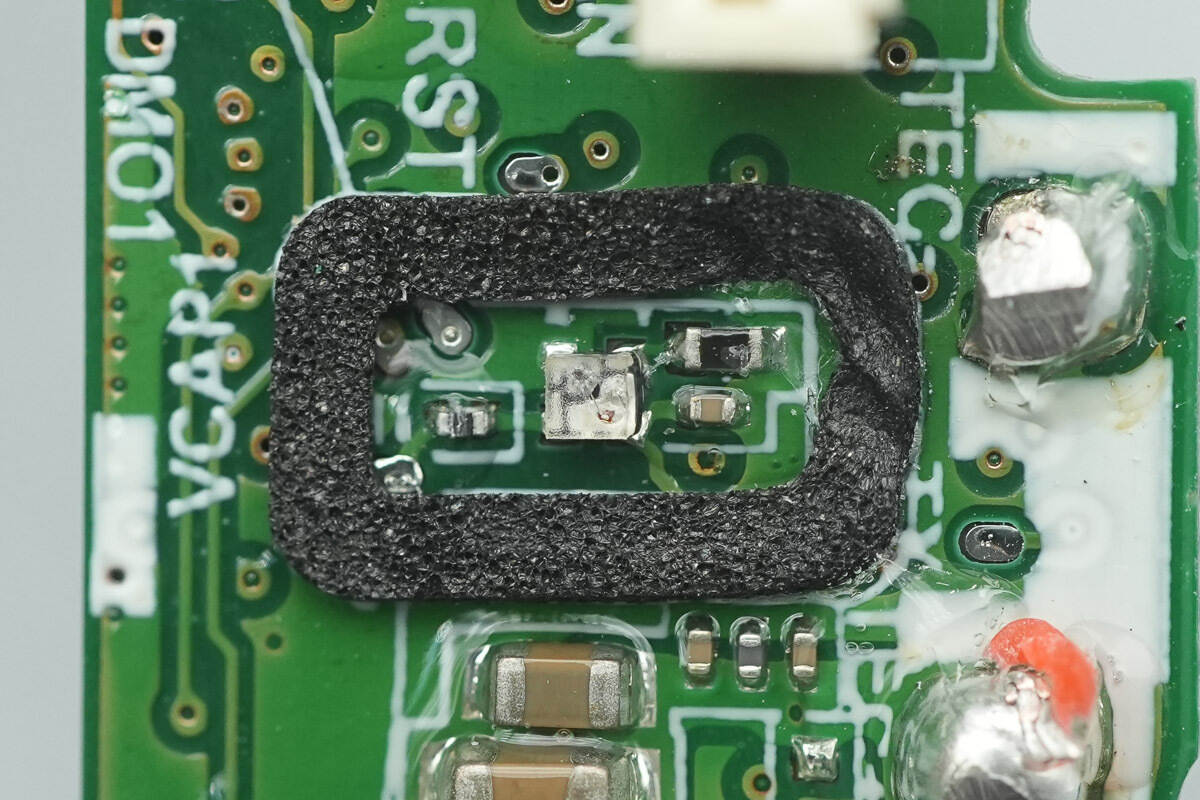
Close-up of the indicator light.
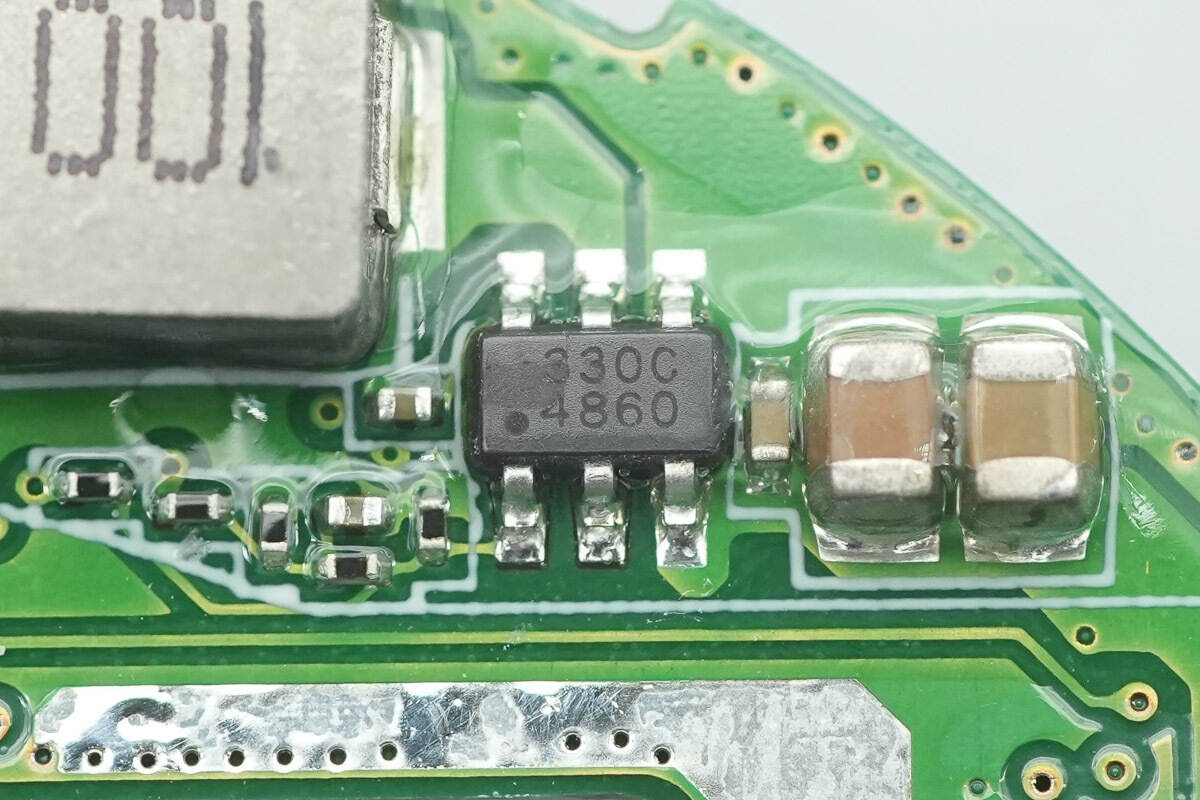
The synchronous buck converters that step down voltage separately for the cooling module and the centrifugal fan are both SCT2330C from SCT. This is a synchronous buck converter with a 3.8–28 V input voltage range and 3 A output current. It integrates the MOSFETs internally, supports output overvoltage protection and thermal protection, and comes in a TSOT23-6L package.
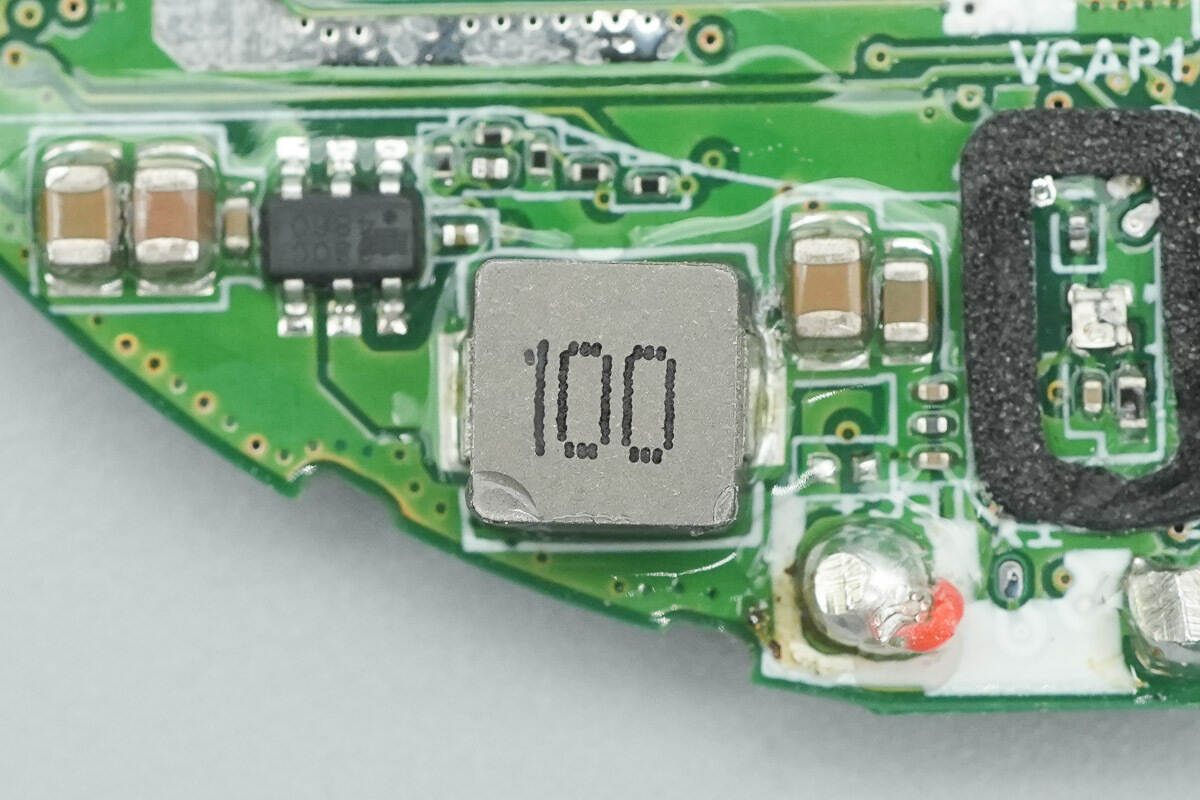
Close-up of the corresponding buck inductor.
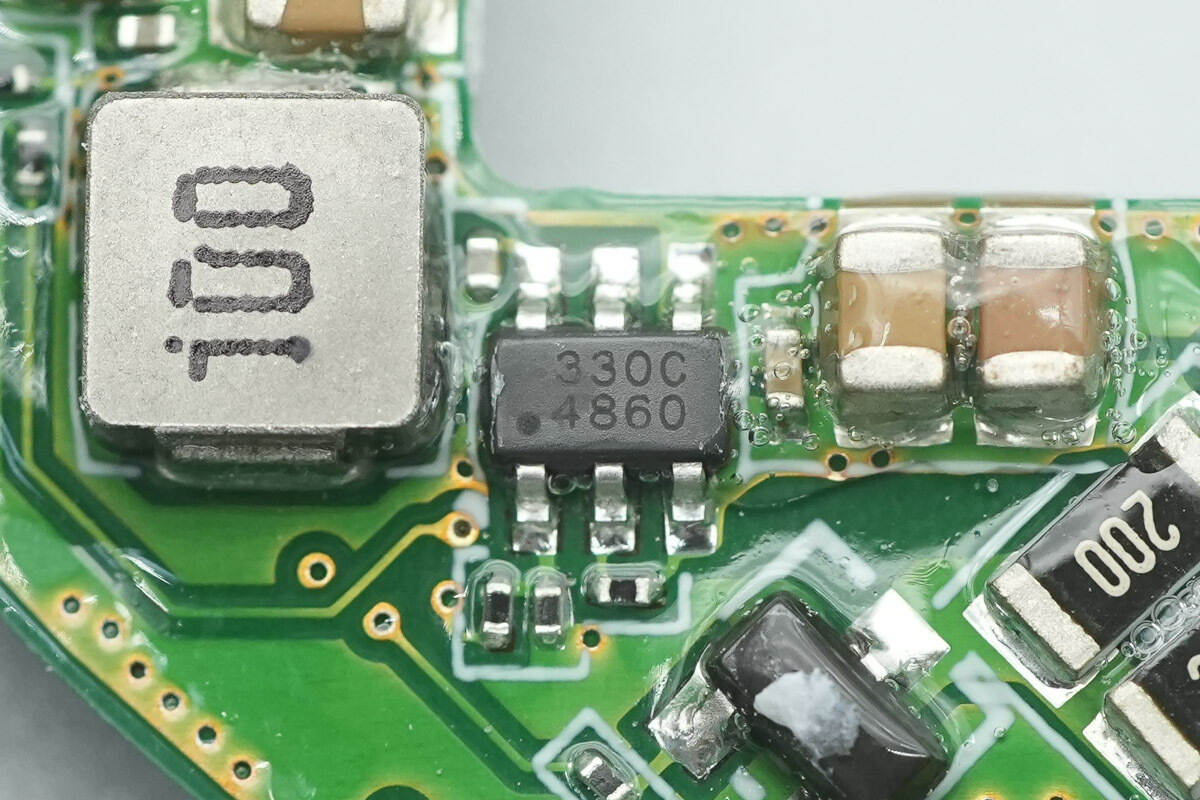
Close-up of the other SCT2330C synchronous buck converter used in the secondary buck circuit.
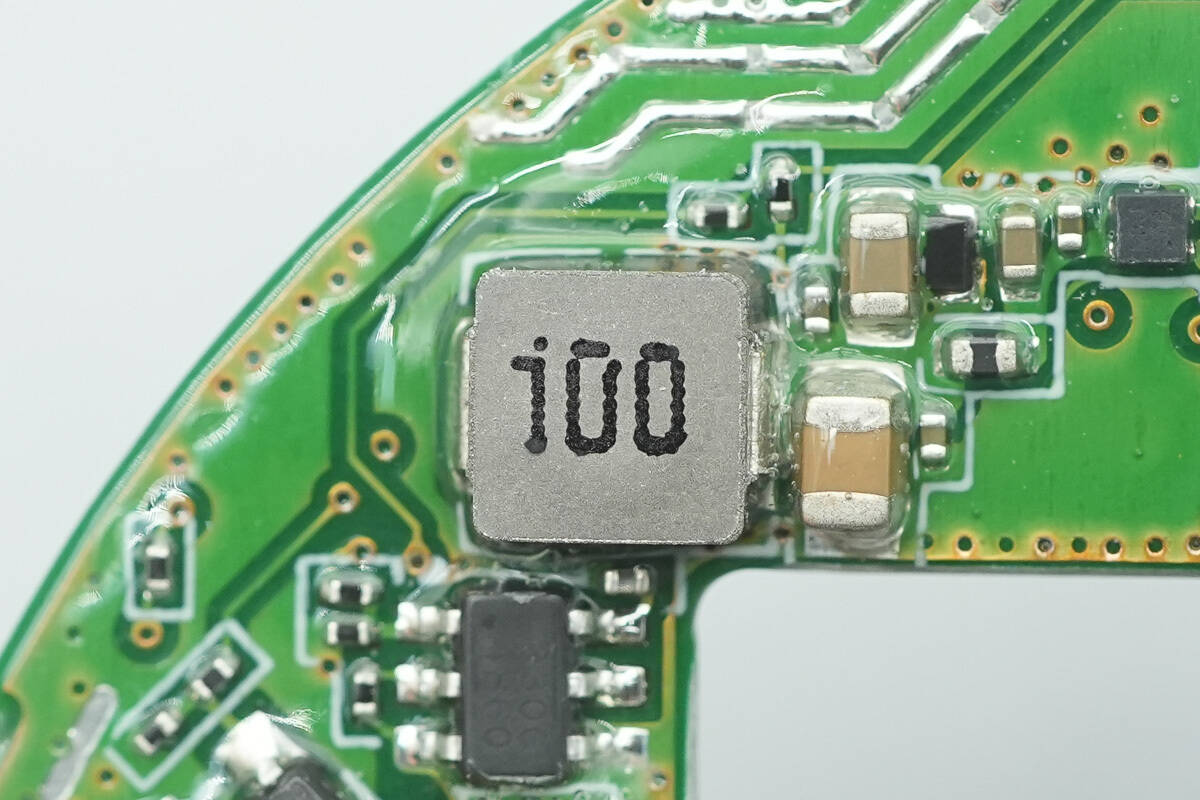
Close-up of the corresponding buck inductor.
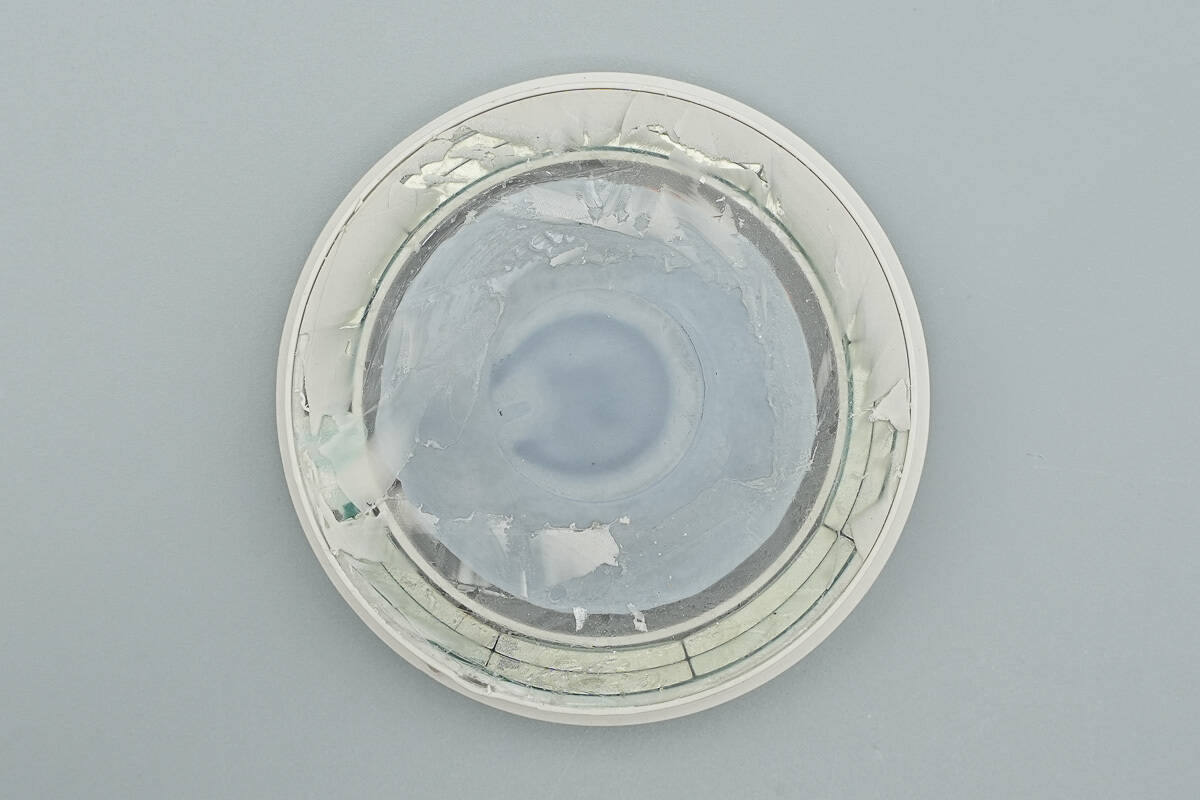
Peel off the silicone pad. The interior of the wireless charging coil module is sealed with adhesive for protection.
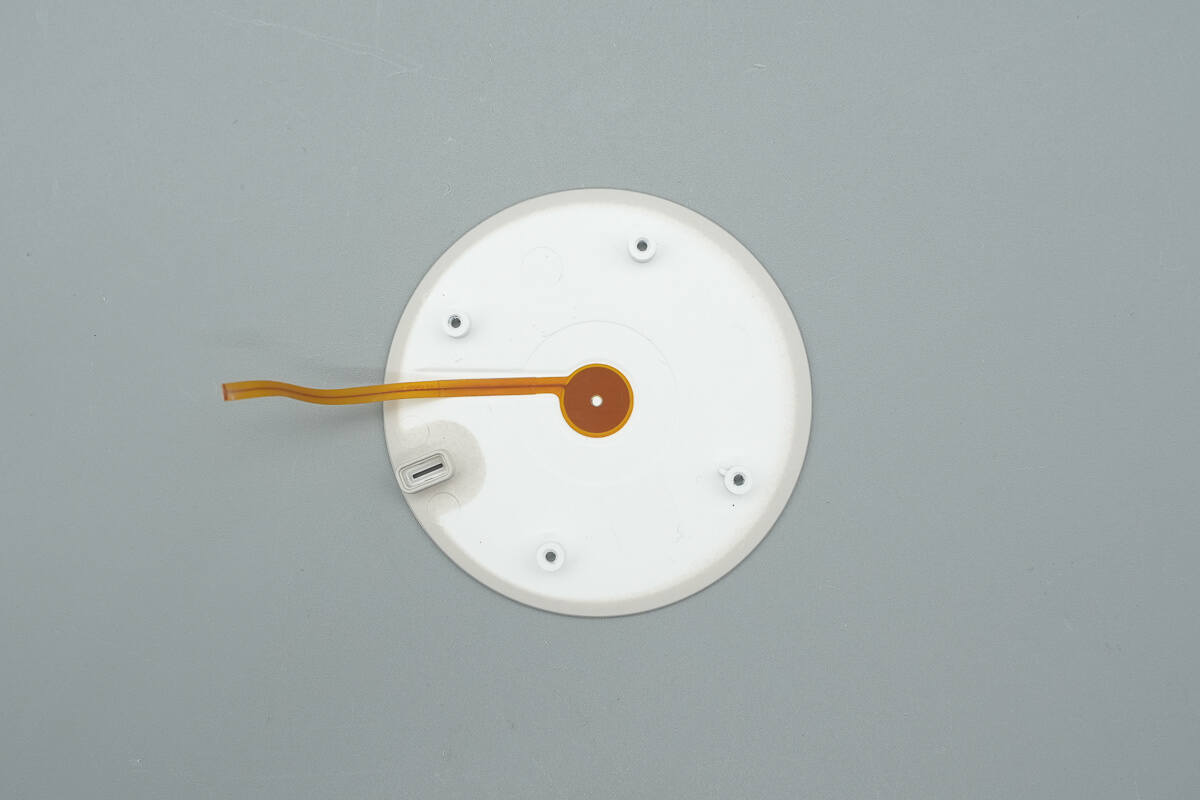
The touch button is affixed at the center of the top cover.
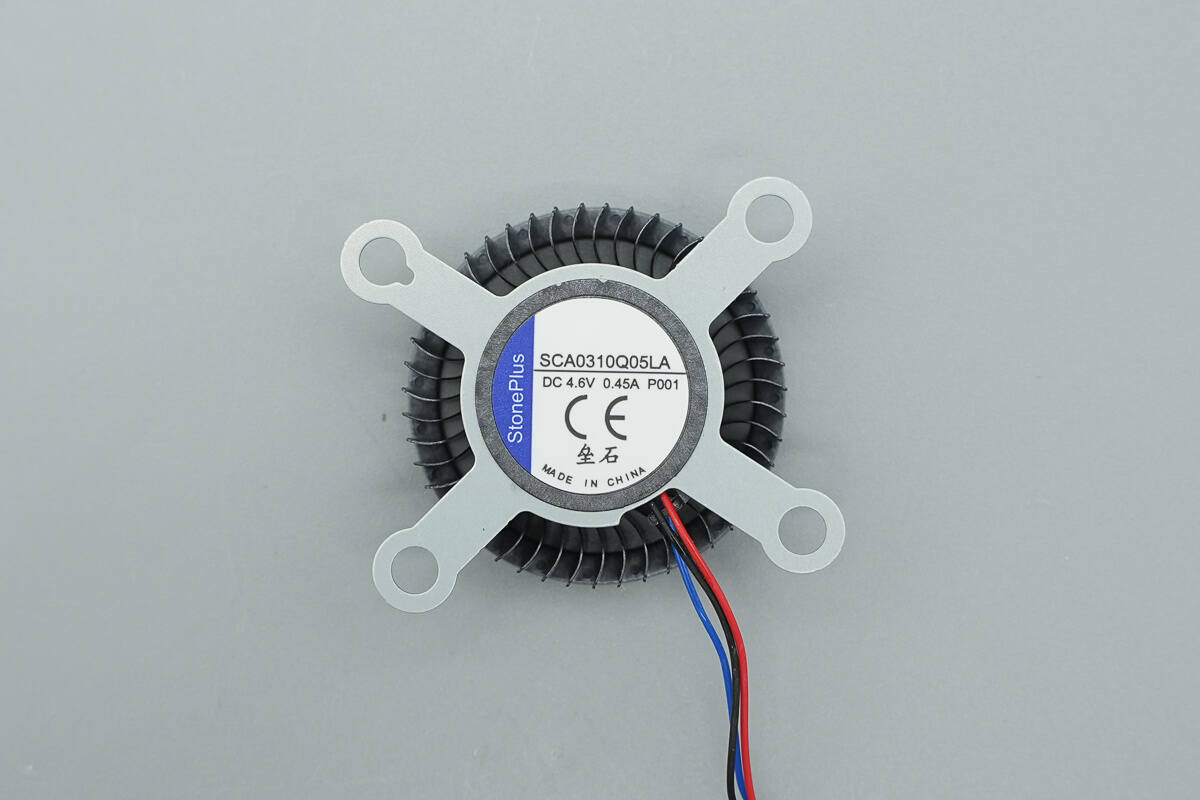
The centrifugal cooling fan is from StonePlus, model SCA0310Q05LA, with a rating of 4.6 V, 0.45 A.
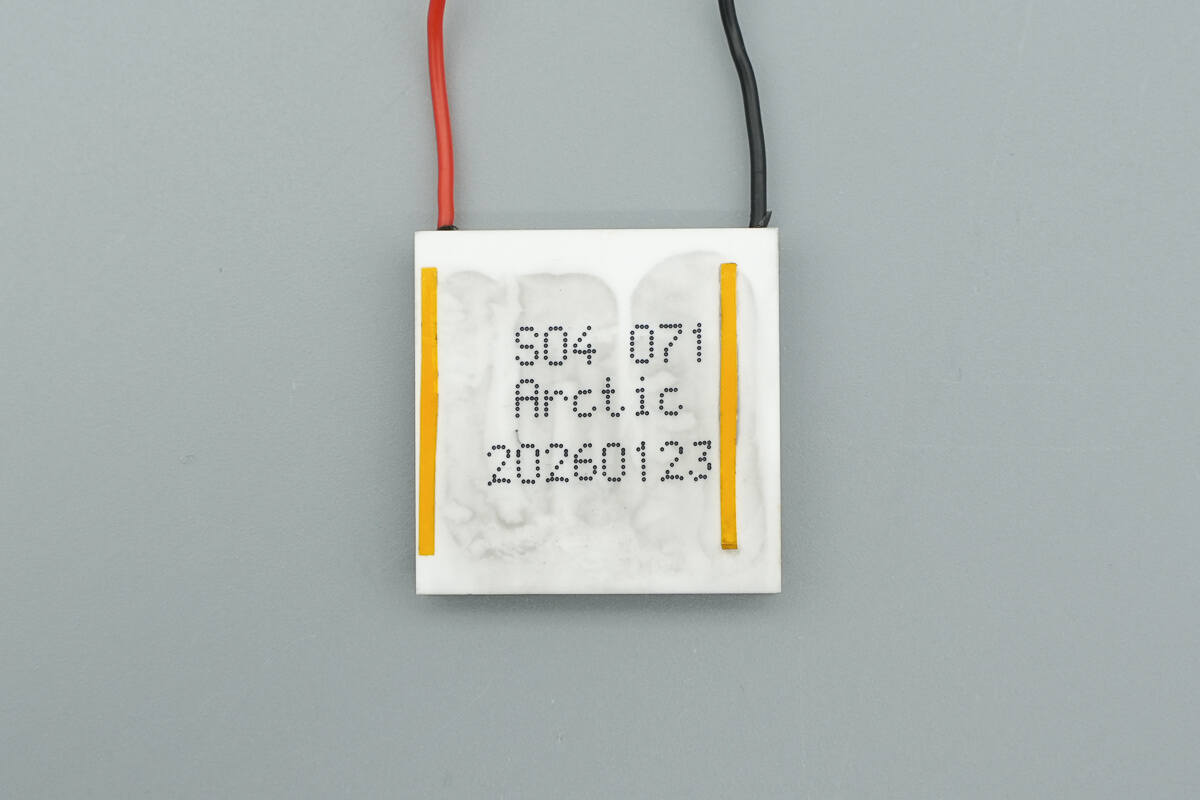
The cooling module is marked with a production date of January 23, 2026.
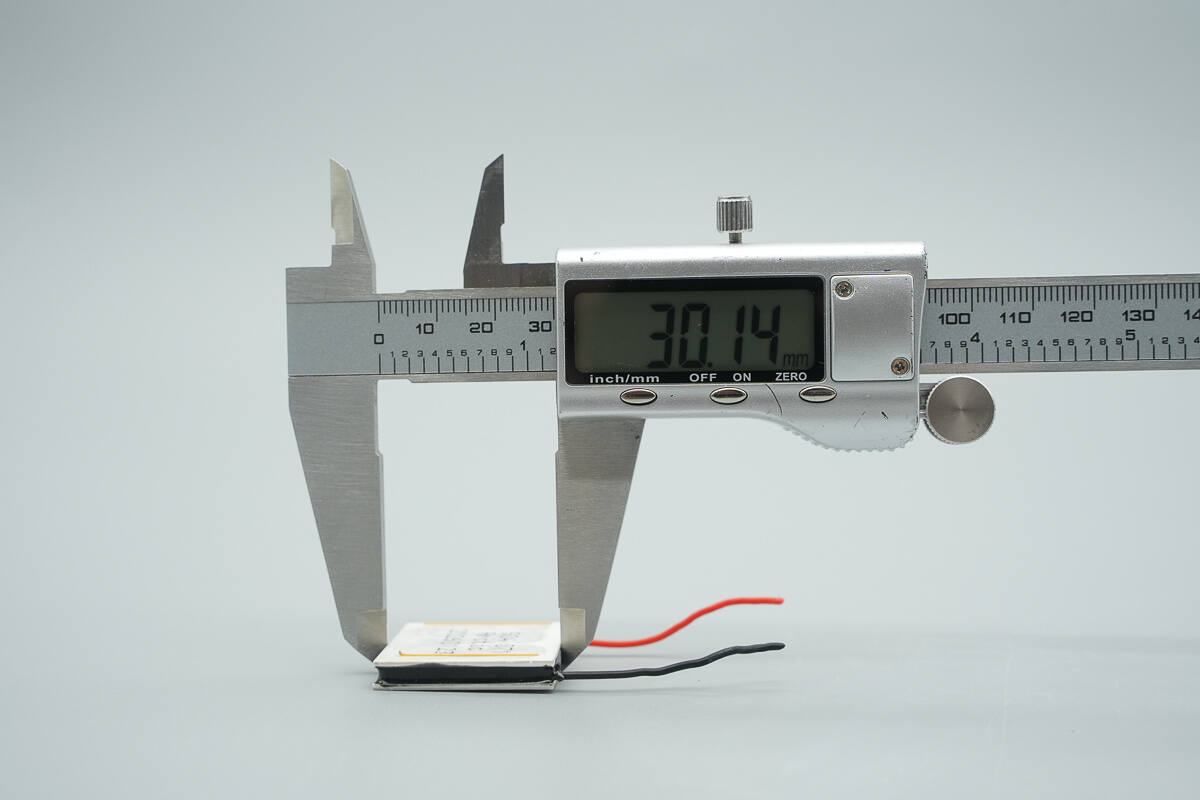
The length of the cooling module is about 30.14 mm (1.19 inches).
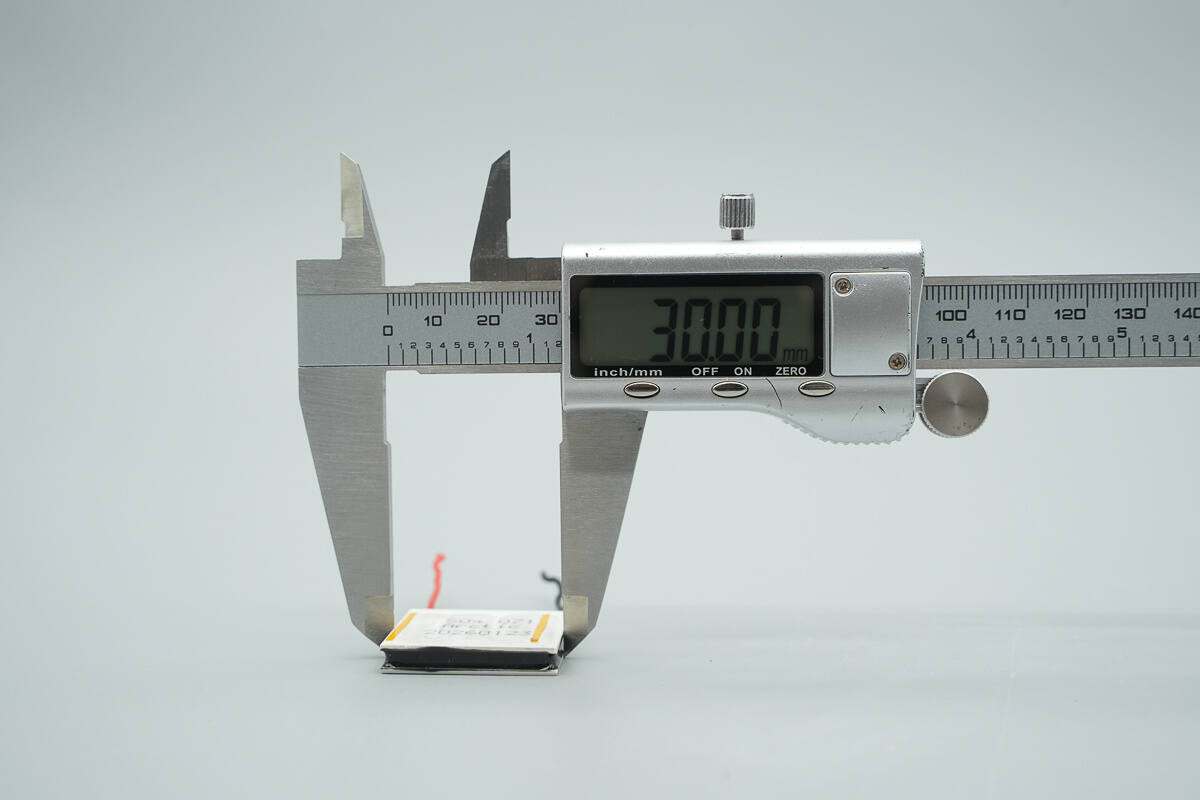
The width is about 30 mm (1.18 inches).
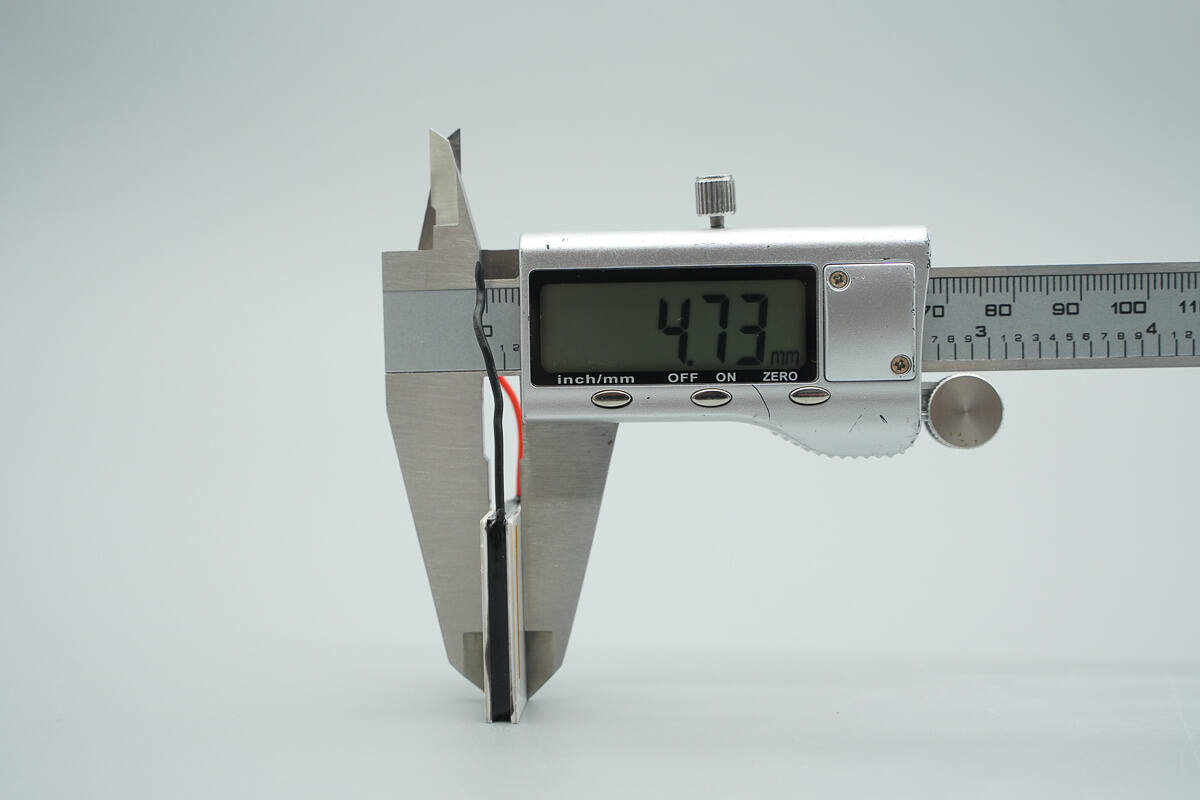
The thickness is about 4.73 mm (0.19 inches).
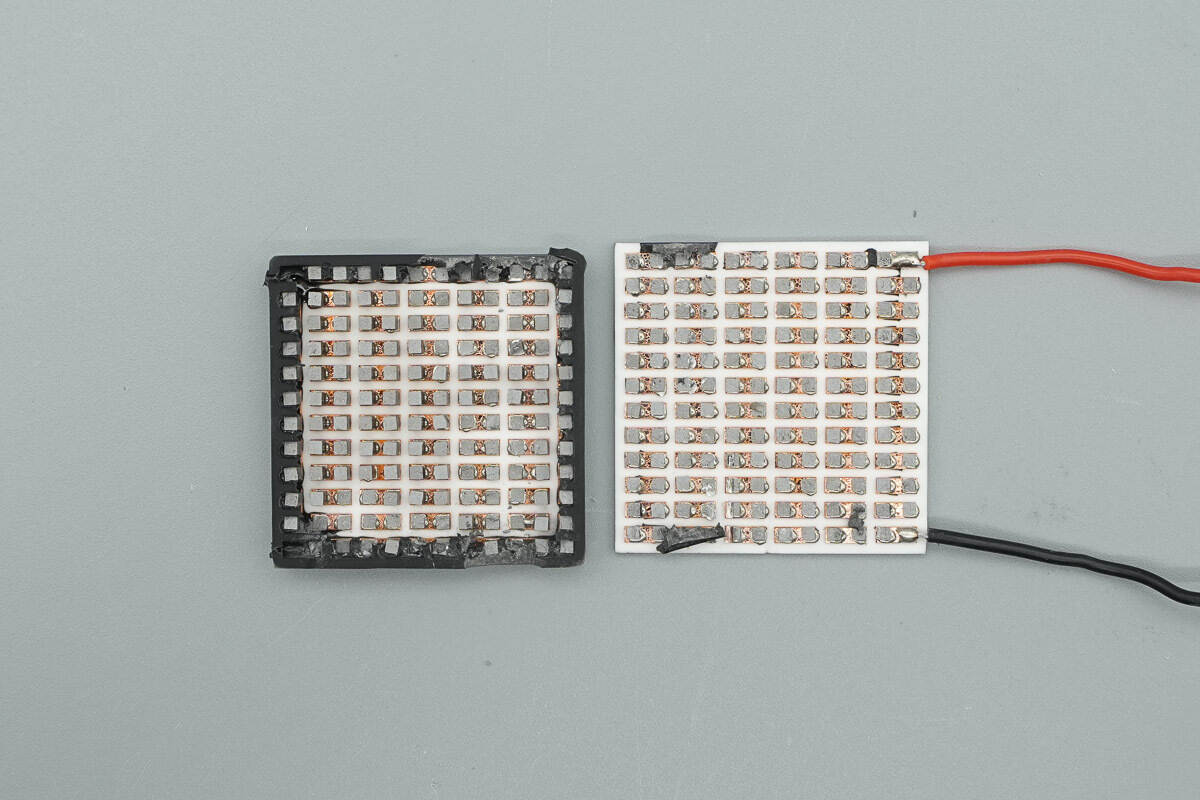
Overview of the disassembled TEC cooling module.
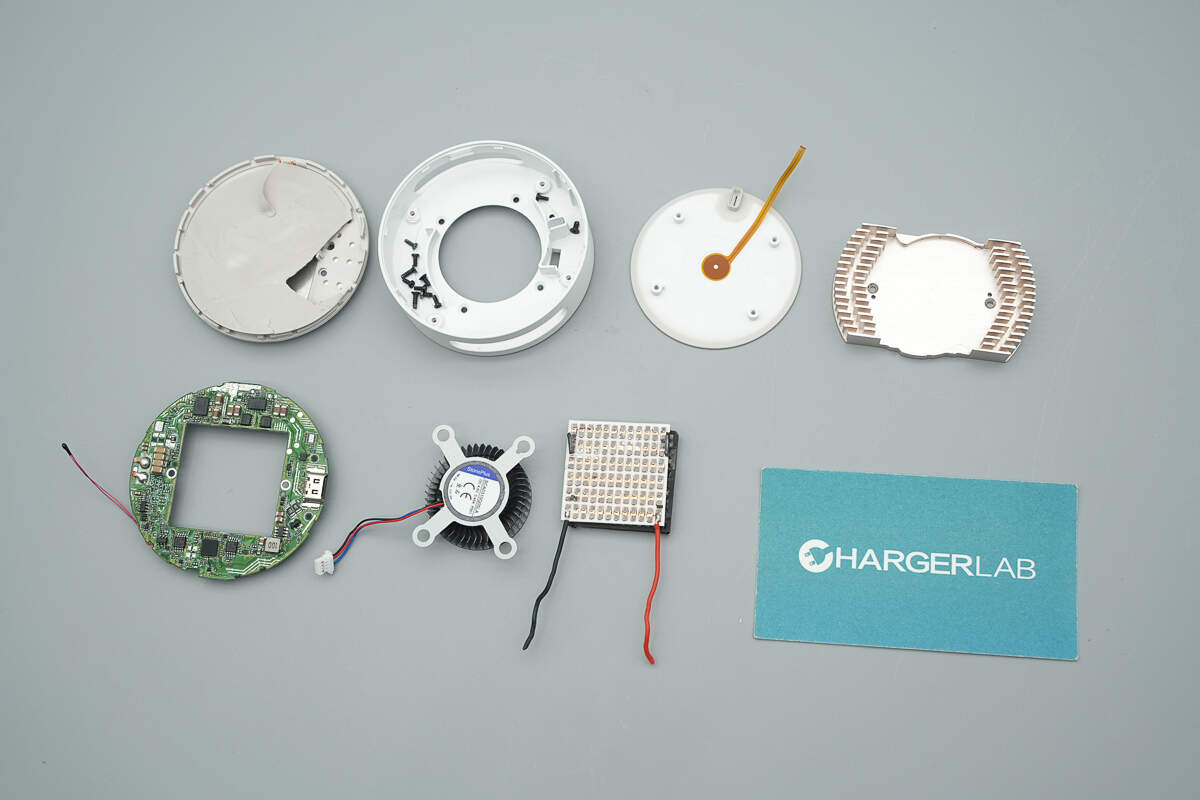
Well, those are all components of the OPPO 50W AirVOOC Magnetic Wireless Charger.
Summary of ChargerLAB
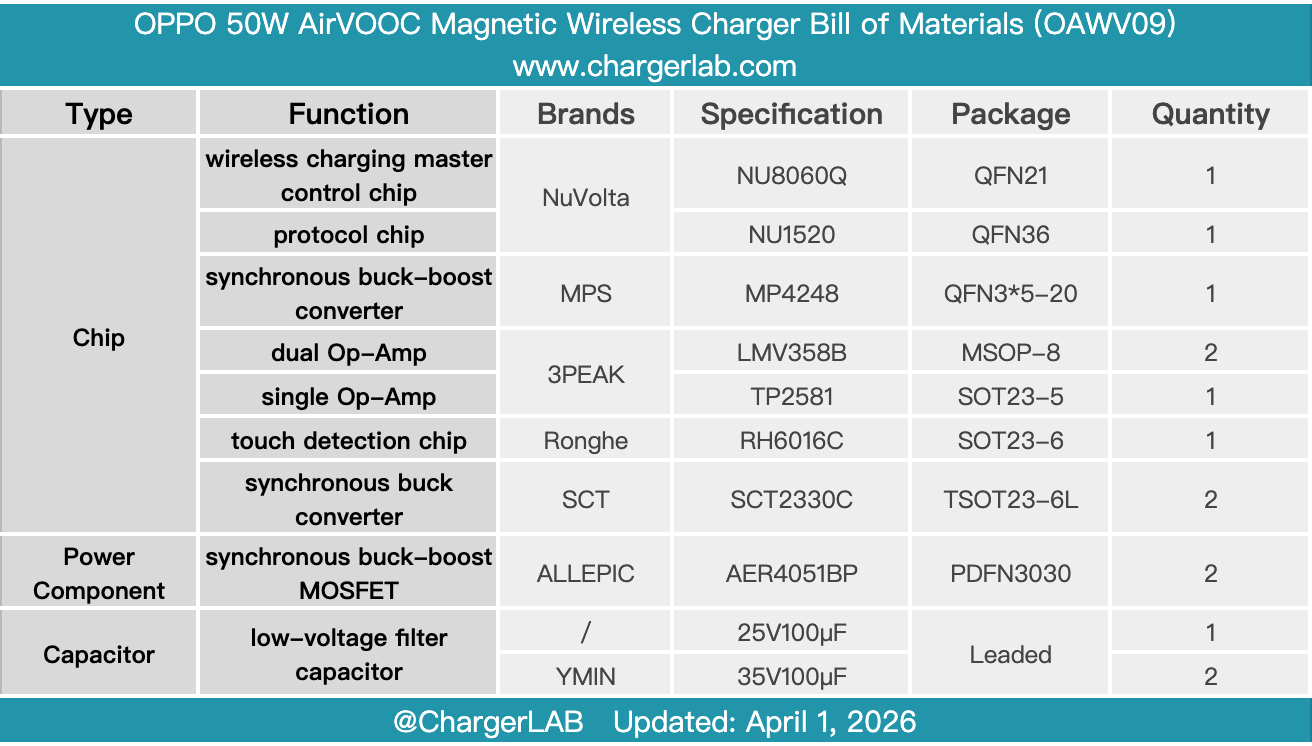
Here is the component list of the OPPO 50W AirVOOC Magnetic Wireless Charger for your convenience.
It features three operating modes that can be switched via the touch control, allowing users to select the charging mode according to different scenarios. The included desktop stand further expands its range of applications.
After taking it apart, we found that it uses the NuVolta NU8060Q wireless charging master control chip, paired with the MPS MP4248 synchronous buck-boost converter, forming an efficient and stable power transfer architecture. The protocol chip is a NuVolta NU1520, supporting multiple protocols including PD 3.1, UFCS, and QC 3.0.
The cooling and heat dissipation systems are independently powered by two SCT2330C synchronous buck converters, paired with a centrifugal fan and a TEC cooling module to achieve precise temperature control. The PCB layout, thermal design, and chip protection all maintain OPPO’s consistently high standards.
Related Articles:
1. Teardown of VMAX AC Power Supply (VT450AB220A)
2. Teardown of OPPO 120W SuperVOOC GaN Charger (OSABBCBBAC)
3. Teardown of OnePlus 100W SuperVOOC GaN Charger (VCBAOBCH)